
Receiving a claim denial letter is one of the most frustrating experiences a policyholder can face. After months or years of paying premiums, the sudden refusal of coverage can lead to significant financial strain and a sense of betrayal. However, a denial is not necessarily the final word. It is often merely the beginning of a formal negotiation process.
In 2026, many denials are triggered by administrative errors or narrow interpretations of policy language. By understanding the specific reasons behind a denial and following a structured appeal process, you can significantly increase your chances of overturning the decision.
Part 1: Common Reasons for Claim Denials
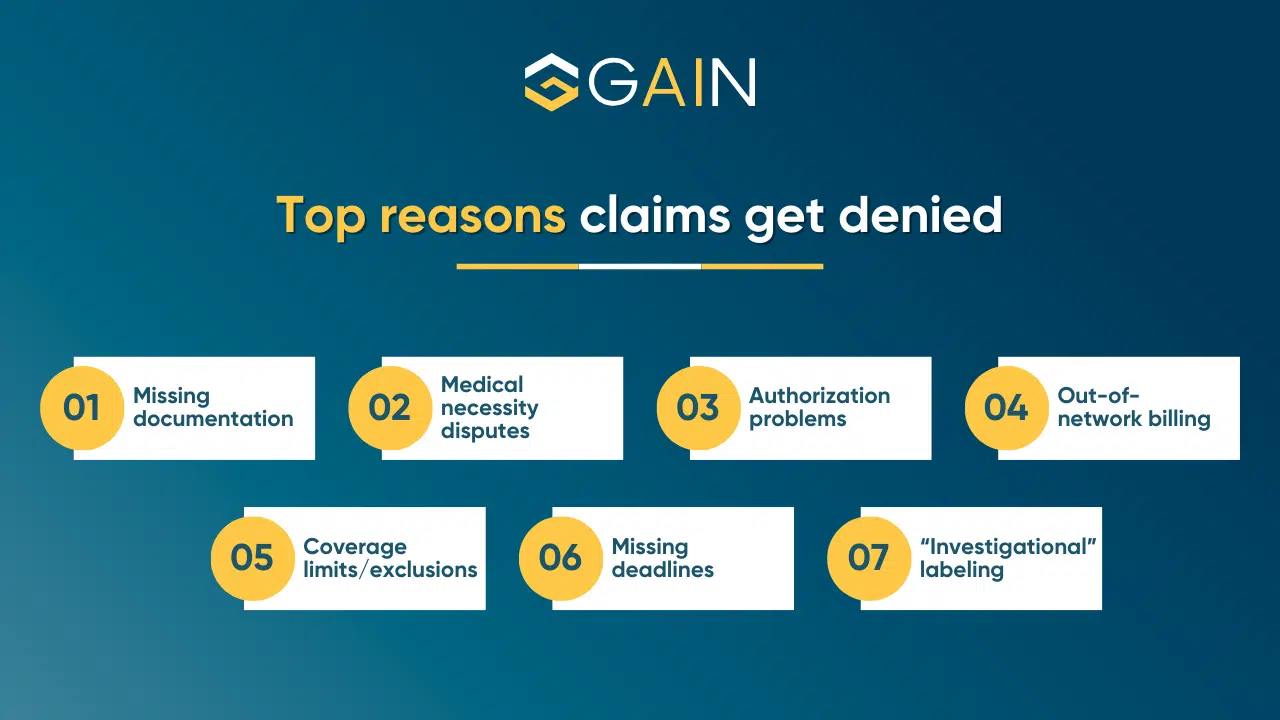
Before you can appeal, you must identify the technical basis for the denial. Insurance companies are legally required to provide a written explanation for their decision. The most common reasons include:
1. Policy Exclusions and Limitations
Every policy contains a list of “excluded perils.” For example, a standard homeowners policy excludes floods, while an auto policy might exclude coverage if the vehicle was being used for a commercial purpose at the time of the accident. If the insurer believes the cause of loss falls within these exclusions, they will deny the claim.
International Health Insurance for Digital Nomads: A 2026 Comparison2. Lapse in Coverage
If a premium payment was missed and the “grace period” expired, the policy may have been inactive at the time of the loss. Even a lapse of a single day can result in a legitimate denial of coverage.
3. Failure to Provide Sufficient Documentation
The burden of proof lies with the policyholder. If you fail to provide police reports, medical records, repair estimates, or photographs of the damage, the insurer may deny the claim due to a lack of evidence.
4. Missed Filing Deadlines
Insurance contracts have strict time limits. There are deadlines for notifying the insurer of the incident and separate deadlines for submitting the formal “Proof of Loss” documentation. Missing these windows can jeopardize your rights to a payout.
5. Material Misrepresentation
If the insurer discovers that you provided inaccurate information on your initial application—such as failing to disclose a pre-existing health condition or a previous car accident—they may “rescind” the policy and deny all associated claims.
Understanding General Liability Insurance: A Simplified Guide for BeginnersPart 2: Decoding the Denial Letter
When the letter arrives, do not ignore it. In 2026, many insurers use automated systems to generate these letters, which can sometimes result in vague or overly technical language.
Identify the Specific Clause
Look for a reference to a specific section of your policy. The letter should quote the exact language the insurer is using to justify the denial. If it does not, your first step is to contact the adjuster and request the specific policy citation in writing.
Check for Accuracy
Verify that all the facts listed in the letter are correct. Insurers often make mistakes regarding the date of the incident, the parties involved, or the description of the damage. A factual error in the denial letter is a strong foundation for a successful appeal.
Part 3: The Step-by-Step Appeals Process
If you believe the denial was made in error, follow this structured pathway to challenge the decision.
No-Exam Life Insurance: Pros, Cons, and Who Should ApplyStep 1: Request an Internal Review
Most insurance companies have an internal appeals department. This is a separate team of senior adjusters who review the original file to see if the first adjuster made a mistake. You must submit a formal “Notice of Appeal” letter.
Step 2: Gather New Evidence
An appeal is rarely successful if you simply resubmit the same information. You must provide something new. This could include:
- Independent repair estimates from third-party contractors.
- Expert opinions (e.g., a structural engineer’s report).
- Additional witness statements or high-resolution video footage.
- Clarifying statements from your medical providers.
Step 3: Write a Professional Appeal Letter
Your letter should be clinical and fact-based. Avoid emotional language or accusations of bad faith. Instead:
- Clearly state your name, policy number, and claim number.
- Identify the specific point of disagreement with the insurer’s decision.
- Reference the evidence you are providing to counter their arguments.
- Request a response within a specific timeframe (typically 30 days).
Step 4: The External Review (State Department of Insurance)
If the internal appeal is denied, you have the right to an external review. In the United States and many European markets, you can file a complaint with your state or national Department of Insurance. This regulatory body will assign an independent ombudsman to review the case. Their decision is often binding for the insurance company.
How Your Credit Score Affects Your Insurance Rates (and How to Fix It)Step 5: Professional Mediation or Legal Action
If the claim is substantial and the regulatory review does not yield results, you may need to hire a Public Adjuster or an Insurance Attorney. A Public Adjuster is an independent professional who works for you (not the insurance company) to appraise the damage. An attorney can file a “Bad Faith” lawsuit if the insurer is found to be intentionally ignoring policy terms or delaying payments without cause.
Part 4: The 2026 Factor: AI and Automated Denials
As of 2026, many insurance companies use AI “adjuster bots” to flag claims for denial based on data patterns. These systems can sometimes flag a claim incorrectly due to an algorithm error.
When appealing in this environment, it is highly effective to request a “Human Review.” Explicitly stating in your appeal that you believe an automated assessment failed to account for the unique circumstances of your loss can force the insurer to assign a human adjuster to manually review the file, which often leads to a different outcome.