
Car insurance rates have seen a significant shift heading into 2026. With the integration of advanced vehicle technology, AI-driven risk assessment, and fluctuating economic conditions, the cost of staying insured can feel like a heavy burden on your monthly budget. However, higher premiums do not have to be your reality.
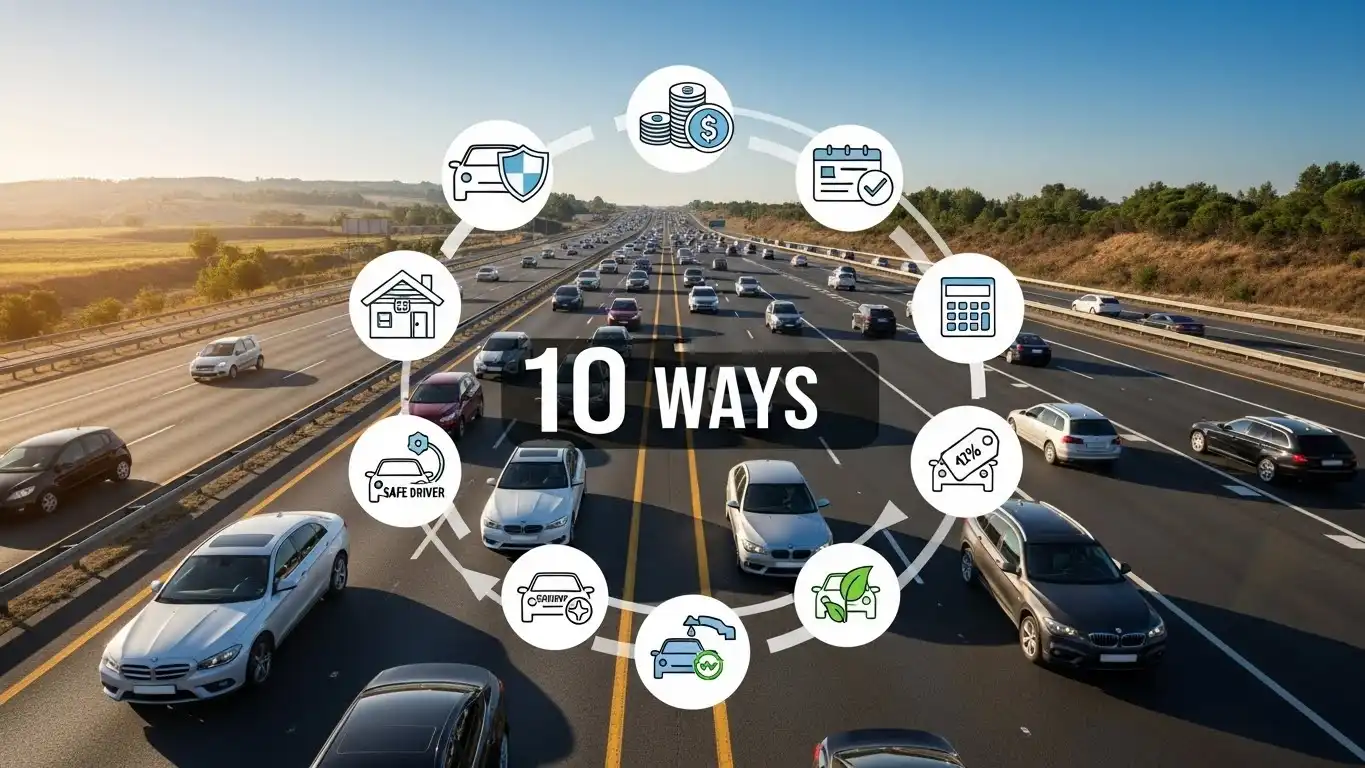
By understanding how insurance companies evaluate risk in the current landscape, you can take proactive steps to reduce your costs. Here are ten proven strategies to lower your car insurance premiums this year.
1. Embrace Telematics and Usage-Based Insurance (UBI)
By 2026, telematics has become the industry standard for personalized pricing. Instead of basing your rates solely on demographic data, many insurers now offer “pay-how-you-drive” programs. By installing a small device or using a smartphone app, you allow the insurer to monitor your braking, acceleration, speed, and the time of day you drive.
Safe drivers can see discounts of up to 30% or 40%. If you have a short commute or a gentle driving style, this is the most direct way to prove to your insurer that you are a low-risk client.
Term vs. Whole Life Insurance: Which One Is Right for Your Family?2. Optimize Your Deductibles
The deductible is the amount you pay out of pocket before your insurance coverage kicks in. Historically, choosing a higher deductible has been a reliable way to lower monthly premiums.
In 2026, as vehicle repair costs rise due to complex sensors and EV components, increasing your deductible from $500 to $1,000 can result in a substantial reduction in your premium (often between 15% and 30%). However, ensure you have this amount set aside in an emergency fund so that a claim doesn’t create a financial crisis.
3. Leverage Multi-Policy and Multi-Vehicle Discounts
Insurance companies value loyalty and “bundled” customers. If you insure your home, apartment, or life through the same provider as your auto insurance, you are statistically less likely to switch companies.
Most insurers offer a “bundling discount” that can shave 10% to 25% off your total bill. Additionally, insuring multiple vehicles under the same policy is significantly cheaper than having separate policies for each car in your household.
7 Hidden Home Insurance Coverage Gaps You Need to Know About4. Maintain a Robust Credit Profile
In many jurisdictions, insurance companies use a “credit-based insurance score” to predict the likelihood of a future claim. Statistics show that individuals who manage their credit effectively tend to file fewer claims.
To lower your insurance rates in 2026, focus on:
- Paying all bills on time.
- Keeping credit card balances well below their limits.
- Monitoring your credit report for errors that might be dragging your score down.
5. Review Your Coverage on Older Vehicles
If you are driving a vehicle that is more than 10 years old, the cost of collision and comprehensive coverage might exceed the actual value of the car. In the event of an accident, the insurer will only pay the “Actual Cash Value” (ACV) of the vehicle.
A good rule of thumb is the “10% Rule”: if the annual cost of your collision and comprehensive coverage is more than 10% of the car’s total value, it may be time to drop those specific coverages and stick to liability only.
Is Renters Insurance Worth It? A Complete Guide for Tenants6. Highlight Advanced Safety and Anti-Theft Features
Modern vehicles in 2026 are equipped with Advanced Driver Assistance Systems (ADAS). Features such as automatic emergency braking, lane-keeping assist, and advanced anti-theft GPS tracking reduce the probability of accidents and total loss from theft.
Ensure your insurance agent has an accurate list of your vehicle’s safety features. While many are identified via the VIN, some aftermarket security systems or dash cams may qualify you for additional discounts if reported manually.
7. Take a Certified Defensive Driving Course
This strategy remains a classic for a reason. Many insurers offer a “safe driver” discount to policyholders who voluntarily complete an accredited defensive driving course.
These courses are now predominantly available online and take only a few hours to complete. Not only can this reduce your premium by 5% to 10% for up to three years, but it also helps remove points from your license if you have had a recent minor infraction.
How to File a Car Insurance Claim: A Step-by-Step Checklist for Beginners8. Report Reduced Annual Mileage
The shift toward hybrid and remote work has permanently altered driving habits. If you no longer commute five days a week, your risk of being involved in an accident drops significantly.
Check your odometer and compare it to the mileage listed on your policy. If you drive less than 7,500 or 10,000 miles per year, you may qualify for a “low-mileage” discount. Be honest with these figures, as insurers may verify mileage during a claim or through telematics data.
9. Avoid Small Claims
Every time you file a claim, it goes on your CLUE (Comprehensive Loss Underwriting Exchange) report. Even if the claim is small, it can result in a “surcharge” on your premium for the next three to five years.
If you have a minor “fender bender” where the repair cost is only slightly above your deductible, it is often more cost-effective in the long run to pay for the repairs out of pocket. This preserves your “claims-free” discount, which is often one of the largest available.
10. Shop Around and Compare Quotes Annually
Market conditions change rapidly. A company that was the most expensive for you last year might have updated its algorithms to be the most competitive this year.
Use comparison tools to get at least three different quotes every 12 months or whenever you have a major life change (moving, getting married, or buying a new car). Loyalty is rarely rewarded in the insurance industry; the best rates are often reserved for new customers or those who actively negotiate based on market data.