
When you sign a lease for a new apartment or rental home, you are presented with a mountain of paperwork. Amidst the security deposits and utility setups, renters insurance often appears as an optional line item. Many tenants ask themselves: “Is it really worth paying for insurance when I don’t even own the building?”
There is a common misconception that a landlord’s insurance policy covers the tenant’s belongings. This is false. A landlord’s policy protects the physical structure of the building; it offers zero protection for your personal property or your personal liability.
This guide explores the specific components of renters insurance to help you determine if the monthly investment is right for your situation.
What Exactly Is Renters Insurance?
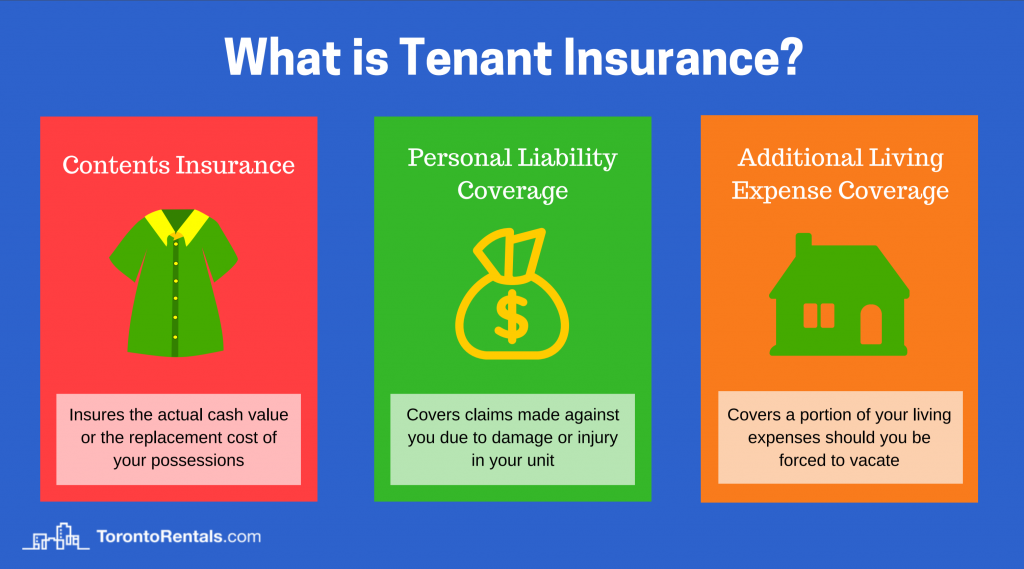
Renters insurance is a specialized policy designed for individuals who live in a property they do not own. Because the insurer is not covering the building itself, the premiums are significantly lower than homeowners insurance. A standard policy provides three primary layers of protection: personal property, liability, and additional living expenses.
How to File a Car Insurance Claim: A Step-by-Step Checklist for Beginners1. Personal Property Coverage: Protecting Your Assets
The most visible benefit of renters insurance is the protection of your “stuff.” This includes electronics, furniture, clothing, kitchen appliances, and even your bicycle.
The Replacement Cost vs. Actual Cash Value Distinction
When choosing a policy, you will encounter two types of reimbursement methods. Understanding the difference is critical to determining the policy’s value:
- Actual Cash Value (ACV): This pays out what your items are worth today, accounting for depreciation. If your five-year-old laptop is stolen, you receive a check for its current (much lower) market value.
- Replacement Cost Value (RCV): This pays the amount it costs to buy a brand-new version of the item today. While RCV policies have slightly higher premiums, they are generally considered “worth it” because they allow you to actually replace what you lost without out-of-pocket expenses.
Protection Outside the Home
A little-known fact about renters insurance is that your personal property is often covered even when it is not in your apartment. If your laptop is stolen from your car or your luggage is lost while traveling, your renters insurance policy can often provide coverage.
2. Personal Liability: Your Financial Shield
While protecting your belongings is important, the liability portion of the policy is arguably the most valuable. If someone is injured inside your rental unit, you could be held legally responsible for their medical bills and legal fees.
Best Health Insurance Options for Freelancers and Self-Employed ProsExamples of Liability Coverage:
- Guest Injuries: A visitor slips on a wet floor in your kitchen and breaks their arm.
- Property Damage: You accidentally leave a faucet running, causing water damage to the apartment below you.
- Pet Liability: In many cases, if your dog bites someone (depending on breed restrictions), your renters liability coverage can handle the medical and legal costs.
Without insurance, a single lawsuit could lead to wage garnishment and the depletion of your savings.
3. Additional Living Expenses (ALE)
If a covered peril—such as a fire or significant smoke damage—renders your apartment uninhabitable, where do you go?
Additional Living Expenses (also known as “Loss of Use” coverage) pays for the extra costs of living elsewhere while your home is being repaired. This includes:
- Hotel bills.
- The increased cost of restaurant meals (since you cannot cook at home).
- Temporary storage fees.
For many tenants, the inability to pay for a hotel for two weeks would be a major financial crisis. ALE coverage mitigates this risk entirely.
Why You Should Never Travel Overseas Without International Health InsuranceWhat Renters Insurance Does Not Cover
To determine the true value of a policy, you must also understand its limitations. Standard policies typically exclude:
- Floods and Earthquakes: Much like homeowners insurance, these require separate policies or endorsements.
- Roommate Property: Unless your roommate is specifically listed on the policy or is a relative, their belongings are not covered by your insurance. They must purchase their own policy.
- High-Value Items: Standard policies have “sub-limits” on jewelry, fine art, and high-end collectibles. You may need a “scheduled personal property” rider for these items.
The Cost-Benefit Analysis: The Math of Renters Insurance
By 2026, the average cost of renters insurance in the United States remains remarkably affordable, typically ranging between $15 and $30 per month.
The Comparison:
- The Cost: Approximately $200 to $300 per year.
- The Potential Loss: The average tenant owns approximately $20,000 to $30,000 worth of belongings. Furthermore, a liability lawsuit can easily exceed $100,000.
When you weigh the price of a monthly streaming subscription against the protection of $30,000 in assets and $100,000 in liability, the mathematical “value” of the policy becomes clear.
How to Determine If It’s Right For You
Ask yourself the following three questions:
Pet Insurance Explained: Is It Actually Worth the Monthly Cost?- Could I afford to replace everything I own tomorrow if there was a fire? If the answer is no, you need personal property coverage.
- Do I have significant savings or future income that could be targeted in a lawsuit? If the answer is yes, you need liability protection.
- Is my building required to have it? Many modern property management companies now require proof of renters insurance as a condition of the lease.