
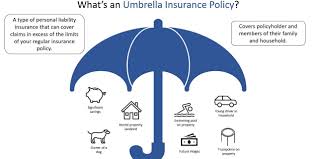
Most people assume their auto insurance and homeowners insurance provide all the liability protection they’ll ever need. However, a serious accident, lawsuit, or injury claim can quickly exceed the limits of those policies, potentially putting your savings, investments, and future income at risk.
That’s where umbrella insurance comes in.
Umbrella insurance provides an extra layer of liability protection beyond the limits of your existing insurance policies. For a relatively low annual cost, it can help protect your assets from financially devastating lawsuits.
But is umbrella insurance really worth it?
Best Small Business Insurance Providers for LLC Owners in 2026In this guide, we’ll explain what umbrella insurance covers, what it doesn’t cover, how much it costs, and who should consider buying a policy in 2026.
What Is Umbrella Insurance?
Umbrella insurance is a type of personal liability insurance that provides additional protection when the liability limits of your underlying insurance policies have been exhausted.
Think of it as a safety net.
If a claim exceeds the limits of your:
Professional Liability Insurance Cost: What Businesses Should Expect to Pay in 2026- Auto insurance
- Homeowners insurance
- Condo insurance
- Renters insurance
- Boat insurance
your umbrella policy may help cover the remaining costs.
Without umbrella insurance, you could be personally responsible for paying the difference.
How Umbrella Insurance Works
Let’s look at a simple example.
Imagine you’re involved in a serious car accident.
Errors and Omissions Insurance Explained for Freelancers and ConsultantsThe injured party sues you and wins a judgment of:
$750,000
Your auto insurance liability limit is:
$300,000
How Much Life Insurance Do You Really Need? Coverage Calculator Guide (2026)Without umbrella insurance:
You may be responsible for the remaining:
$450,000
With a $1 million umbrella policy:
The umbrella policy may cover the excess amount after your auto insurance limit is reached.
This can protect:
- Savings accounts
- Investment accounts
- Future wages
- Other personal assets
What Does Umbrella Insurance Cover?
Umbrella insurance primarily covers liability claims.
Bodily Injury Liability
This includes injuries you cause to others.
Examples:
- Auto accidents
- Dog bite incidents
- Swimming pool accidents
- Injuries occurring on your property
Covered expenses may include:
- Medical bills
- Rehabilitation costs
- Lost wages
- Legal settlements
- Court judgments
Property Damage Liability
Umbrella insurance may help pay for damage you cause to someone else’s property.
Examples include:
- Vehicle damage
- Damage to neighboring property
- Accidental destruction of property
Legal Defense Costs
One of the most valuable benefits of umbrella insurance is legal protection.
Even if a lawsuit is ultimately unsuccessful, legal fees can become extremely expensive.
Umbrella policies often help cover:
- Attorney fees
- Court costs
- Legal settlements
- Certain defense expenses
Depending on the insurer, legal costs may be covered in addition to the policy limit.
Personal Liability Claims
Umbrella insurance can also provide protection against various personal liability situations.
Examples may include:
- Defamation
- Libel
- Slander
- False arrest
- Invasion of privacy
Coverage varies by insurer, so review policy details carefully.
Landlord Liability
If you own rental property, umbrella insurance may provide additional protection when a tenant or visitor suffers injuries and sues you.
Rental property owners often face greater liability exposure than owner-occupied homeowners.
What Umbrella Insurance Does NOT Cover
Umbrella insurance does not cover every type of financial loss.
Common exclusions include:
Your Own Injuries
Umbrella insurance protects against liability to others.
It does not pay your personal medical expenses.
Damage to Your Property
Umbrella insurance is not designed to replace homeowners or auto insurance.
Your own property losses remain covered by those primary policies.
Business Activities
Most personal umbrella policies exclude business-related claims.
Business owners may need:
- Commercial umbrella insurance
- General liability insurance
- Professional liability insurance
Intentional Acts
Deliberately causing injury or damage is generally excluded.
Insurance is designed to protect against accidents, not intentional misconduct.
Criminal Acts
Criminal behavior typically falls outside policy coverage.
How Much Umbrella Insurance Coverage Do You Need?
Most insurers offer umbrella coverage starting at:
$1 million
Additional coverage is often available in increments such as:
- $2 million
- $3 million
- $5 million
- $10 million+
A common recommendation is to carry umbrella coverage equal to or greater than your net worth.
Consider:
- Savings
- Investments
- Home equity
- Future earnings potential
- Rental property equity
The more assets you have, the greater the need for liability protection.
How Much Does Umbrella Insurance Cost?
One of the biggest advantages of umbrella insurance is affordability.
Because major liability claims are relatively uncommon, premiums are often surprisingly low.
Average annual costs:
| Coverage Amount | Typical Annual Cost |
|---|---|
| $1 Million | $150–$400 |
| $2 Million | $250–$600 |
| $3 Million | $350–$800 |
| $5 Million | $500–$1,200 |
Actual pricing depends on factors such as:
- Number of homes owned
- Number of vehicles
- Drivers in the household
- Driving history
- Swimming pools
- Recreational vehicles
- Boats
- Dogs
- Rental properties
For many households, a $1 million umbrella policy costs less than a dollar per day.
Who Should Consider Umbrella Insurance?
Umbrella insurance is not just for millionaires.
Many middle-class households can benefit from additional liability protection.
Homeowners
Homeowners face liability risks every day.
Examples include:
- Slip-and-fall injuries
- Dog bite claims
- Swimming pool accidents
- Property-related lawsuits
An umbrella policy can provide valuable extra protection.
Drivers
Car accidents remain one of the most common sources of large liability claims.
If you:
- Own multiple vehicles
- Have teenage drivers
- Commute frequently
umbrella insurance may be worth considering.
High Net Worth Individuals
People with significant assets often have the most to lose in a lawsuit.
Umbrella insurance can help protect:
- Investments
- Real estate holdings
- Savings
- Retirement assets (where applicable)
Rental Property Owners
Landlords face unique liability exposures.
Tenant injuries can lead to substantial legal claims that exceed standard policy limits.
Public Figures and Professionals
Individuals with higher public visibility or substantial income may be more attractive targets for lawsuits.
Examples include:
- Physicians
- Attorneys
- Business owners
- Executives
- Influencers
When Umbrella Insurance May Not Be Necessary
Umbrella insurance may be less important if:
- You have very few assets
- You rent and have minimal savings
- You have limited liability exposure
- You rarely drive
However, even younger individuals may wish to protect future income from potential judgments.
Umbrella Insurance vs Excess Liability Insurance
Many people confuse these two products.
Umbrella Insurance
Provides:
- Higher liability limits
- Broader protection
- Coverage for some claims not covered by underlying policies
Excess Liability Insurance
Primarily increases existing liability limits without adding new coverage types.
Umbrella policies are generally more flexible.
Advantages of Umbrella Insurance
Affordable Protection
Millions of dollars in coverage often cost only a few hundred dollars annually.
Asset Protection
Helps protect savings and investments.
Lawsuit Protection
Can help cover legal defense costs.
Peace of Mind
Provides reassurance in today’s increasingly litigious environment.
Disadvantages of Umbrella Insurance
Requires Underlying Policies
Most insurers require minimum liability limits on your:
- Auto insurance
- Homeowners insurance
before issuing umbrella coverage.
Additional Premium
Although relatively inexpensive, it is still an extra insurance expense.
Coverage Limitations
Certain business activities and intentional acts remain excluded.
Real-Life Umbrella Insurance Example
Suppose a visitor slips on your icy driveway and suffers severe injuries.
They sue for:
$1.2 million
Your homeowners insurance liability limit:
$300,000
Without umbrella insurance:
You could be responsible for:
$900,000
With a $1 million umbrella policy:
The umbrella coverage could potentially cover the remaining liability after your homeowners insurance limit is exhausted.
This example illustrates why even ordinary homeowners sometimes purchase umbrella insurance.
Frequently Asked Questions
Is Umbrella Insurance Worth It?
For many homeowners, drivers, landlords, and individuals with savings or investments, umbrella insurance offers substantial liability protection at a relatively low cost.
How Much Umbrella Insurance Should I Buy?
Many financial professionals recommend carrying at least enough umbrella coverage to match your net worth.
Does Umbrella Insurance Cover Car Accidents?
Yes. Umbrella insurance can provide additional liability protection when damages exceed your auto insurance liability limits.
Does Umbrella Insurance Cover Lawsuits?
Yes. Many umbrella policies help cover legal defense costs and lawsuit-related expenses for covered claims.
Can Renters Buy Umbrella Insurance?
Yes. Renters can often purchase umbrella insurance if they maintain the required underlying renters and auto insurance policies.
Is a $1 Million Umbrella Policy Enough?
For many households, $1 million provides a solid level of protection. Higher-net-worth individuals may need larger coverage amounts.
Signs You Should Consider Umbrella Insurance
You may benefit from umbrella insurance if you:
✓ Own a home
✓ Have significant savings
✓ Own rental property
✓ Have teenage drivers
✓ Own a swimming pool
✓ Own a boat
✓ Have a dog
✓ Have investments
✓ Earn a high income
✓ Want additional lawsuit protection
The more boxes you check, the more valuable umbrella coverage may become.
Final Thoughts
Umbrella insurance is one of the most affordable ways to increase your liability protection. For a relatively small annual premium, it can provide an additional $1 million to $5 million—or more—in coverage beyond your auto, homeowners, renters, or landlord insurance policies.
While not everyone needs umbrella insurance, homeowners, drivers, landlords, and individuals with assets to protect often find the extra coverage worthwhile. A single lawsuit can exceed standard liability limits, and umbrella insurance can help safeguard your savings, investments, property, and future earnings.
If you already carry auto or homeowners insurance, requesting an umbrella insurance quote is usually quick and inexpensive. For many people, the peace of mind alone makes the coverage worth considering.