
Ever feel like navigating health insurance is like trying to pick the perfect avocado at the grocery store? You know, squeezing them, checking for that just-right give, but half the time you end up with something mealy? That’s how I felt when I first dove into comparing tiers of health plans a few years back—right after a surprise doctor’s visit left me staring at a bill that could’ve funded a small vacation. But hey, let’s keep it light; we’re here to unpack this without the headache, chatting about health insurance tiers like we’re grabbing coffee together.
Comparing tiers of health plans boils down to understanding how different levels balance costs and coverage to fit your life’s rhythm. In essence, these tiers—often labeled as Bronze, Silver, Gold, and Platinum under the Affordable Care Act—are like choosing between a basic umbrella or a full-on raincoat with extras. They help you decide how much you’re willing to pay upfront versus what you might shell out later. For most folks, it’s about finding that sweet spot where you’re protected without breaking the bank—think 40-60% coverage in Bronze up to 90% in Platinum, tailored to your health needs and budget.
What Even Are These Tiers, Anyway?
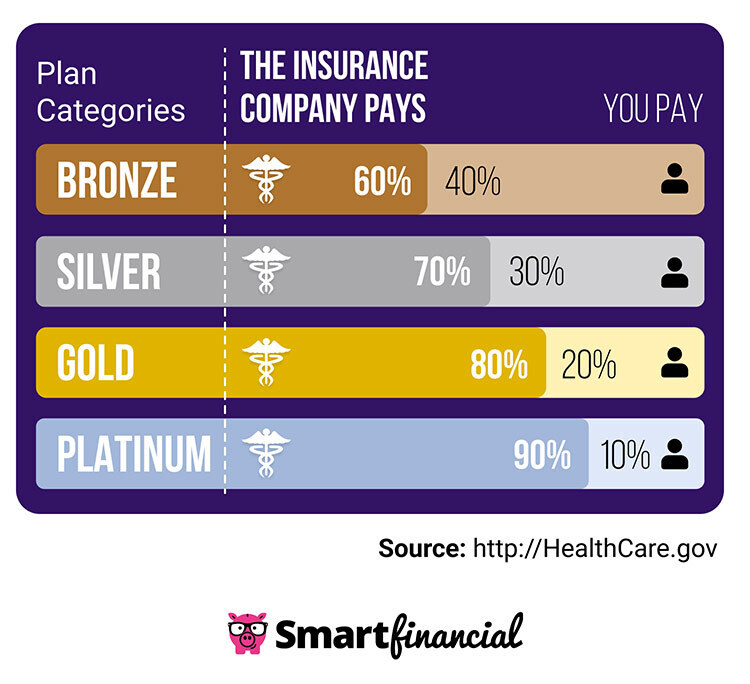
Picture this: you’re at a buffet, and the tiers are like the different sections of food. Bronze might be the basics—salads and sides—to keep costs low, while Platinum is the all-you-can-eat extravaganza with premium cuts. In health insurance lingo, these metal levels represent how much of your medical expenses the plan covers after you meet your deductible. According to the ACA, Bronze plans typically cover about 60% of costs, Silver around 70%, Gold 80%, and Platinum 90%. It’s not just numbers, though; it’s about real-world scenarios, like whether that routine check-up or unexpected ER trip feels manageable.
I remember chatting with a friend who switched from a Silver to a Gold plan after having a kid—suddenly, those pediatric visits added up, and she wanted less out-of-pocket stress. Health plan tiers aren’t one-size-fits-all; they’re designed with everyday lives in mind, factoring in things like premiums (what you pay monthly) and deductibles (the amount you cover before insurance kicks in). If you’re healthy and rarely see a doctor, a lower-tier plan like Bronze could save you cash, but if chronic conditions are in the mix, stepping up might be smarter.
Benefits of HSAs explainedBreaking Down the Basics: From Bronze to Platinum
Let’s get into the nitty-gritty without making it feel like a textbook. Starting with Bronze plans, these are the budget-friendly options, often with lower monthly premiums but higher deductibles—sometimes upwards of $6,000 annually. They’re great if you’re young, healthy, and don’t anticipate many visits, covering essentials like preventive care while leaving you to handle most other costs. On the flip side, Silver plans strike a balance, offering more coverage (around 70%) and subsidies for those who qualify, making them popular for families or folks with moderate health needs.
Then there’s Gold and Platinum, the heavy hitters. Gold plans cover about 80% of costs, with lower deductibles and copays, which means less financial surprise when you need specialists or tests. Platinum? That’s the top tier, covering 90% and boasting the lowest out-of-pocket maximums—ideal for those with ongoing medical issues or higher incomes who want peace of mind. To compare visually, here’s a quick table to chew on:
| Tier | Typical Coverage % | Avg. Monthly Premium | Best For |
|---|---|---|---|
| Bronze | 60% | Lower (e.g., $100-300) | Healthy individuals or low users |
| Silver | 70% | Moderate (e.g., $200-400) | Families or those with some needs |
| Gold | 80% | Higher (e.g., $300-500) | Regular users or chronic conditions |
| Platinum | 90% | Even higher (e.g., $400-600) | High users seeking max protection |
This isn’t set in stone—prices vary by location and provider—but it gives you a relaxed overview. Oh, and if you’re into pop culture nods, think of it like superhero tiers: Bronze is your neighborhood hero, while Platinum is full-on Avengers level backup.
Why It Matters: Weighing Pros, Cons, and Real Choices
Here’s where things get personal. The pros of a lower tier like Bronze? More money in your pocket for life’s fun stuff, like that weekend getaway. But the cons? If something big hits, like a surgery, you could face hefty bills that make you rethink your choices. Higher tiers flip that—less risk, but higher premiums that might cramp your style monthly. It’s all about your health insurance priorities; for instance, if you’re self-employed like me, comparing these can feel like balancing act between work stress and well-being.
Navigating open enrollment tipsDon’t overlook factors like network providers, prescription drug coverage, or even mental health services, which can vary within tiers. A Silver plan might cover therapy sessions that a Bronze doesn’t, and in today’s world, that’s a big deal. I’ve heard stories from online forums about people upgrading after realizing their plan didn’t include their preferred doctor—it’s a reminder to dig into the details before signing up.
Wrapping Your Head Around the Pick
As we ease to the end, think about this: what if comparing health plan tiers was as simple as swiping through a dating app, matching your lifestyle to the right fit? For some, it’s about adventure—opting for Bronze to keep things flexible—while others crave stability with Platinum. Either way, take a moment to reflect on your own story; maybe jot down your health habits and see which tier aligns best.
Frequently Asked Questions
What’s the main difference between health plan tiers? The key difference lies in how much of your medical costs the insurance covers versus what you pay out-of-pocket, with Bronze offering basic protection and Platinum providing comprehensive coverage to suit varying budgets and needs.
Can I switch tiers mid-year? Generally, you can only switch during open enrollment or if you have a qualifying life event, like moving or having a baby, so it’s smart to plan ahead and compare options then.
Essential knowledge for first-timersAre subsidies available for these tiers? Yes, especially for Silver plans, where income-based subsidies can lower premiums significantly, making them more accessible for middle-income folks—check the ACA marketplace for eligibility.