
Ever had that moment when you’re sipping coffee on a lazy Saturday morning, and suddenly realize open enrollment for health insurance is just around the corner? It’s like that friend who shows up unannounced, but hey, with the right tips, you can turn it into a chill hangout instead of a panic party. I’m no stranger to this myself—last year, I juggled work emails and insurance lingo while my dog kept nudging me for treats. Let’s keep it real and relaxed as we dive into navigating open enrollment for your medical insurance, making sure you feel empowered without the overwhelm.
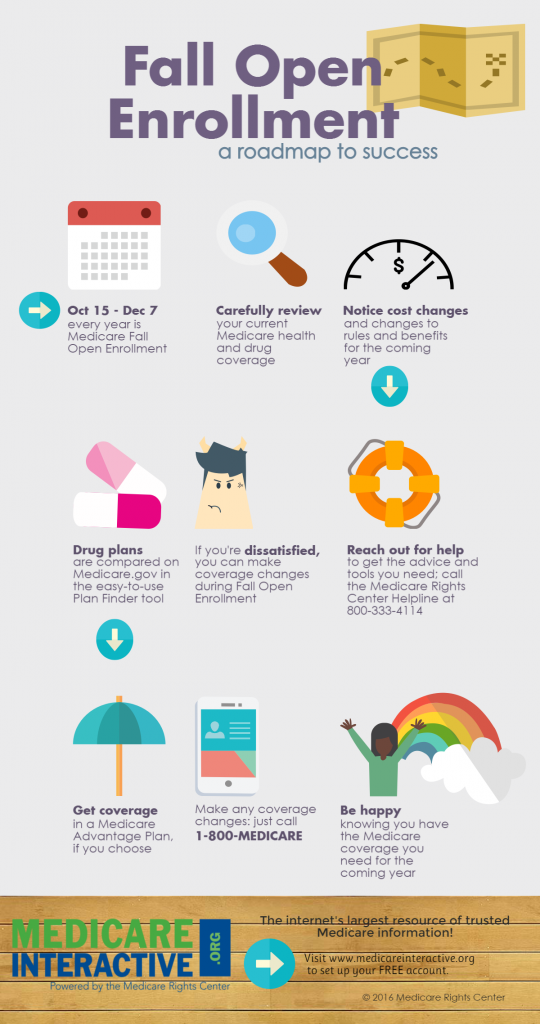
Navigating open enrollment might sound like a corporate maze, but it’s really about giving yourself a breather to secure the coverage you need. In essence, this annual window—usually a few weeks in the fall—is your golden opportunity to tweak or switch health plans without facing penalties. Think of it as refreshing your wardrobe for the seasons ahead, ensuring you’re covered for doctor visits, prescriptions, and unexpected health hiccups. By starting early and staying informed, you can avoid the rush and pick a plan that fits your life’s rhythm, whether you’re a solo adventurer or managing a family’s needs.
Why Open Enrollment Feels Like a Casual Coffee Chat
Picture this: you’re at your favorite café, chatting about life’s ups and downs, and somehow the conversation drifts to health insurance. That’s the vibe we’re going for here—relaxed and approachable. Open enrollment isn’t just bureaucracy; it’s a chance to reflect on your health goals. For instance, if you’ve been hitting the gym more or dealing with chronic conditions, this is when you align your policy accordingly. I once shared stories with a neighbor who switched plans mid-convo and saved a bundle on meds—it’s all about those everyday wins that make you feel smarter, not stressed.
Drawing from pop culture, like how characters in sitcoms always have that “aha” moment, open enrollment can be your plot twist for better financial health. Memes about insurance woes are everywhere online, but let’s flip the script. Key to this is understanding deadlines; missing them could mean you’re stuck with what you’ve got or paying out of pocket. So, mark your calendar like it’s a concert date—employers or marketplaces typically announce dates in advance, giving you time to prepare without last-minute jitters.
Essential knowledge for first-timersEssential Tips to Glide Through the Process
Alright, let’s break it down without the textbook feel. First off, gather your health intel. Jot down your doctor’s visits from the past year, any meds you’re on, and what you anticipate needing. It’s like packing for a road trip—you don’t want surprises. One time, I realized my preferred pharmacy wasn’t in-network, which was a quick fix once I checked. Use online tools from insurers; they’re often as user-friendly as your favorite app, helping you estimate costs based on your usage.
Next, compare plans like you’re swiping through options on a dating app. Here’s where a quick table comes in handy to visualize the differences:
| Plan Type | Cost (Premiums) | Coverage Perks | Best For |
|---|---|---|---|
| HMO | Lower premiums | Limited network, but lower out-of-pocket | Those wanting simplicity and local care |
| PPO | Higher premiums | More flexibility, including out-of-network options | Frequent travelers or those with specialists |
| High-Deductible with HSA | Even lower premiums | Tax advantages for savings, but higher initial costs | Healthy individuals planning ahead |
This isn’t exhaustive, but it shows how choices vary—pick what matches your lifestyle, not just the cheapest option. And remember, subsidies might be available if you’re on the marketplace; it’s like finding a hidden discount at your go-to store.
Step-by-Step: Making It as Easy as a Weekend Walk
If you’re ready to dive in, here’s a laid-back guide to enrolling. We’ll keep it straightforward, starting with:
Myths debunked about denials1Review your current plan’s summary—spot what’s changing and what stays. It’s like checking the weather before heading out.
2Estimate your yearly expenses. Add up potential costs for check-ups, prescriptions, and any big-ticket items to see if a different deductible suits you better.
3Shop around online or through your HR rep. Use comparison tools to simulate scenarios—it’s surprisingly fun, like browsing for gadgets.
4Enroll before the deadline, double-checking for any family add-ons. Think of it as locking in your spot for that must-see event.
Strategies for dispute resolutionsBy following these, you’re not just checking a box; you’re building a safety net that feels personal and proactive.
Avoiding the Common Trip-Ups with a Smile
In the spirit of keeping things light, let’s touch on pitfalls without the doom and gloom. Overlooking network providers can lead to higher bills, like forgetting your reusable bag at the grocery store. Or, getting swayed by low premiums without eyeing the deductibles—it’s a classic trap. I recall a friend who shared a laugh over choosing a plan that sounded great but didn’t cover her gym visits. The key? Ask questions, maybe even turn it into a family discussion, blending practicality with a bit of fun.
To wrap up our journey through health insurance waters, consider how this process mirrors life’s unpredictability—being prepared means more freedom to enjoy the ride. What if you turned open enrollment into your annual self-care ritual? It’s a thought that might just spark some positive change.
Frequently Asked Questions
What exactly is open enrollment for health insurance?
Open enrollment is a specific period, often in the fall, when you can sign up for or change your health insurance plan without needing a qualifying life event. It’s your yearly chance to adjust coverage based on your current needs.
Understanding reimbursement processesHow do I know if I qualify for financial help?
Depending on your income and family size, you might qualify for subsidies through the Affordable Care Act marketplaces. Check online calculators or consult a navigator for a quick, personalized assessment to lower your costs.
Can I change my mind after enrolling?
Generally, once open enrollment ends, you’re locked in until the next period, unless you have a qualifying event like marriage or job loss. That’s why taking time during enrollment to review is so crucial.