
Ever had one of those moments where a doctor’s bill hits your inbox like an unexpected plot twist in your favorite Netflix series? Yeah, me too. It’s like that time I thought I was just getting a routine check-up, only to end up staring at a receipt that made my wallet weep. That’s where Health Savings Accounts, or HSAs, swoop in like a trusty sidekick in the wild world of medical insurance. They’re not just another acronym; they’re a smart, flexible tool that can turn the chaos of healthcare costs into something a bit more manageable and even empowering. Let’s dive into the benefits of HSAs in a laid-back way, shall we?
If you’re wondering what makes HSAs such a game-changer for everyday folks dealing with medical insurance, here’s the straight scoop: They let you set aside money specifically for healthcare expenses, and it’s all done with some nifty tax perks that feel like a high-five from the IRS. In about 50 words, HSAs provide a tax-free way to save and spend on qualified medical costs, reducing your overall healthcare burden while pairing seamlessly with high-deductible health plans—making it easier to handle everything from doctor visits to prescriptions without the sticker shock.
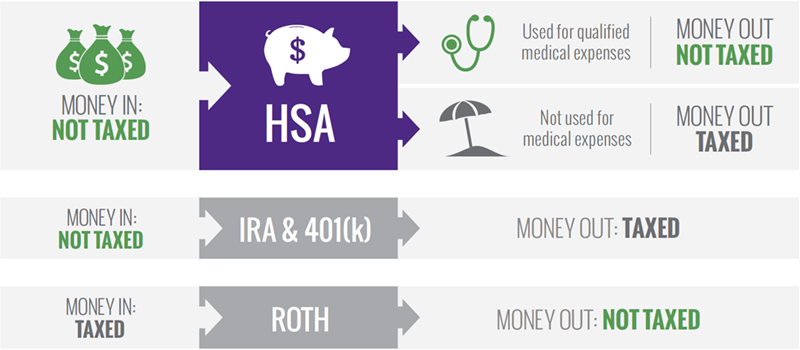
But first, let’s break down what an HSA really is. Imagine it as your personal health fund, a bank account dedicated to medical needs that grows over time. Unlike a regular savings account, contributions are tax-deductible, earnings grow tax-free, and withdrawals for qualified expenses don’t get taxed either. It’s like planting a money tree that only bears fruit for your doctor’s appointments. This setup is especially handy in the broader landscape of medical insurance, where high-deductible plans often require you to cover costs upfront before your policy kicks in fully.
The Financial Perks That Feel Like a Breath of Fresh Air
One of the standout benefits of HSAs is the triple tax advantage—it’s almost like getting a backstage pass to savings heaven. You dodge taxes when you contribute, when the money earns interest, and again when you use it for healthcare. Picture this: You’re saving for that inevitable root canal, and instead of watching your hard-earned cash shrink due to taxes, it’s working for you. This is particularly appealing in today’s medical insurance scene, where premiums are climbing, and out-of-pocket expenses can feel like climbing Everest without oxygen.
Navigating open enrollment tipsPlus, HSAs aren’t just for the young and healthy; they roll over year after year, building a nest egg that could even fund retirement healthcare if you play your cards right. I once heard a story about a friend who used his HSA funds to cover unexpected therapy sessions during a tough year—talk about a lifeline. It’s these real-world applications that make HSAs more than just a financial tool; they’re a buffer against the unpredictability of life, seamlessly integrating with various medical insurance policies to cover everything from co-pays to alternative treatments like acupuncture.
How HSAs Play Nice with Your Medical Insurance Setup
HSAs are designed to complement high-deductible health plans (HDHPs), which are a common fixture in medical insurance offerings. Think of it as a dynamic duo: The HDHP handles major coverage once you hit that deductible, while the HSA covers the everyday skirmishes. For instance, if your plan has a $3,000 deductible, you can use HSA funds to pay for medications or check-ups without dipping into your emergency fund. It’s a relaxed approach to budgeting health costs, giving you control and flexibility that feels less like a straitjacket and more like a comfy sweater.
To keep things varied, let’s throw in a quick comparison. Unlike Flexible Spending Accounts (FSAs), which often come with a “use it or lose it” rule, HSAs let you carry over balances indefinitely. Here’s a simple table to illustrate:
| Feature | HSA | FSA |
|---|---|---|
| Funds Roll Over | Yes, indefinitely | Usually not; often expires yearly |
| Tax Benefits | Tripod: contributions, growth, withdrawals | Pre-tax contributions only |
| Eligibility | Must have HDHP | Varies by employer |
This side-by-side view shows why HSAs might edge out other options for long-term medical insurance strategies, especially if you’re someone who likes to plan ahead without the pressure of deadlines.
Essential knowledge for first-timersReal Stories and Tips to Make HSAs Work for You
Let’s get personal for a second—I’ve got a cousin who turned his HSA into a mini-empire by investing the funds wisely, using it to offset family medical insurance premiums and even eyeglasses for his kids. It’s not about being a finance wizard; it’s about small, smart choices that add up. For those new to this, start by checking if your employer offers HSAs or if you can open one independently. Then, track your expenses religiously—apps make this a breeze, turning what could be a chore into a habit.
One cultural nod: In a world obsessed with memes like “adulting is hard,” HSAs are that quiet win we don’t talk about enough. They’re like the unsung hero in your financial story, quietly building resilience against healthcare curveballs, much like how streaming services buffer our entertainment needs.
Wrapping Up the Journey with a Thoughtful Nudge
As we ease out of this chat, consider how an HSA could reshape your approach to medical insurance—maybe it’s the key to feeling more in control of your health destiny. What if you started today, turning potential worries into proactive steps? It’s not just about savings; it’s about crafting a narrative where you’re the hero of your own healthcare story.
FAQ: Quick Answers to Common Curiosities
What qualifies as a medical expense for an HSA? Generally, anything from doctor visits and prescriptions to dental work and even certain over-the-counter meds, as long as it’s not for general wellness like gym memberships. Always check IRS guidelines to stay on track.
Myths debunked about denialsCan anyone open an HSA? Not quite—you need to be enrolled in a high-deductible health plan and not on Medicare, among other rules. It’s a way to ensure it’s used for those who really benefit from the structure.
Is there a limit to how much I can contribute? Yep, for 2023, it’s around $3,850 for individuals and $7,750 for families, but these numbers can change, so keep an eye on updates from the IRS.