
Workers’ compensation insurance remains one of the most important business insurance policies for employers in 2026. In most states, businesses with employees are legally required to carry workers’ comp coverage, which helps pay for medical expenses, lost wages, rehabilitation costs, and other benefits when employees suffer work-related injuries or illnesses.
The cost of workers’ compensation insurance varies dramatically depending on your industry. A freelance consultant may pay only a few hundred dollars per year, while a construction company can pay several thousand dollars—or far more—for similar coverage.
In this guide, we’ll break down workers’ compensation insurance costs by industry in 2026, explain how premiums are calculated, and show how businesses can reduce costs without sacrificing protection.
What Is Workers’ Compensation Insurance?
Workers’ compensation insurance provides benefits to employees who suffer work-related:
Cyber Liability Insurance for Small Businesses: Coverage and Pricing in 2026- Injuries
- Illnesses
- Occupational diseases
Coverage typically includes:
- Medical treatment
- Lost wages
- Rehabilitation expenses
- Disability benefits
- Death benefits for surviving family members
In exchange, employees generally give up the right to sue employers for workplace injuries.
Average Workers’ Compensation Insurance Cost in 2026
Workers’ comp remains one of the more stable commercial insurance markets heading into 2026, although costs continue to vary widely based on industry, payroll size, location, and claims history.
According to multiple 2026 industry analyses:
How to File an Insurance Claim and Maximize Your Settlement- Many small businesses pay between $54 and $81 per month for workers’ compensation insurance.
- National average costs often range between $643 and $972 annually for lower-risk small businesses.
- Higher-risk industries may pay several thousand dollars annually per employee.
How Workers’ Compensation Premiums Are Calculated
Workers’ compensation insurance is usually priced based on:
Payroll
Most insurers calculate premiums using:
Rate × Payroll ÷ 100
Example:
Best Insurance Comparison Websites to Get Quotes Online in 2026- Payroll: $500,000
- Rate: $1.50 per $100 payroll
Premium:
$7,500 annually
This remains one of the most common workers’ comp pricing methods.
Industry Classification Codes
Every employee is assigned a workers’ compensation classification code.
10 Proven Ways to Lower Your Car Insurance Premiums in 2026Industries with greater injury risk pay higher rates.
Examples:
Lower-Risk Occupations
- Accountants
- Consultants
- Software developers
- Marketing agencies
Higher-Risk Occupations
- Construction workers
- Roofers
- Truck drivers
- Manufacturers
Industry classification remains the single largest factor affecting workers’ compensation premiums.
Claims History
Businesses with previous injury claims often pay higher premiums.
Insurers evaluate:
- Frequency of claims
- Severity of claims
- Safety records
State Location
Workers’ compensation systems vary by state.
Medical costs, regulations, wage replacement requirements, and litigation environments all affect pricing. Some states remain substantially cheaper than others.
Workers’ Compensation Insurance Cost by Industry in 2026
Industry risk creates the largest pricing differences.
The following estimates reflect common 2026 industry averages.
| Industry | Average Monthly Cost | Average Annual Cost |
|---|---|---|
| Real Estate | $21 | $255 |
| Beauty & Wellness | $16–$30 | $196–$360 |
| Accounting | $25–$50 | $300–$600 |
| Consulting | $30–$60 | $360–$720 |
| Marketing Agencies | $35–$75 | $420–$900 |
| Technology / IT | $40–$90 | $500–$1,100 |
| Retail Stores | $50–$120 | $600–$1,500 |
| Restaurants | $80–$250 | $1,000–$3,000 |
| Hotels & Motels | $132 | $1,586 |
| Wholesale Trade | $150 | $1,800 |
| Agriculture | $180 | $2,162 |
| Transportation & Warehousing | $275 | $3,300 |
| Construction | $341 | $4,101 |
| Roofing Contractors | Often $5,000+ annually | Highly variable |
Industry data from 2026 analyses consistently shows transportation, construction, contracting, and agriculture among the most expensive industries, while consulting, financial services, beauty services, and office-based professions remain among the least expensive.
Lowest-Cost Industries for Workers’ Compensation
Several industries consistently rank among the cheapest.
Beauty and Wellness Services
Average:
- Around $16 monthly per employee
Examples:
- Salons
- Massage therapists
- Estheticians
These businesses typically involve relatively low workplace injury exposure.
Financial Services
Financial professionals generally perform office-based work with limited physical hazards.
Examples:
- Accountants
- Tax preparers
- Financial consultants
Workers’ comp costs often remain well below the national average.
Consulting Firms
Consultants usually face minimal workplace injury risks.
Examples:
- Business consultants
- Marketing consultants
- Management advisors
Most consulting firms pay relatively low premiums.
Technology Companies
Software developers and IT professionals generally have lower physical injury exposure than construction or transportation industries.
However, larger payrolls can still increase total premiums.
Highest-Cost Industries for Workers’ Compensation
Industries involving physical labor, heavy equipment, transportation, and hazardous environments usually pay the most.
Construction
Construction remains one of the most expensive industries for workers’ compensation.
Common risks include:
- Falls
- Equipment accidents
- Electrical injuries
- Tool-related injuries
Average costs often exceed:
$4,000 annually
and can rise significantly depending on payroll and specialty.
Transportation and Warehousing
Transportation businesses frequently experience:
- Vehicle accidents
- Loading injuries
- Repetitive stress injuries
Transportation and logistics industries average roughly:
$343 monthly per employee
in some 2026 analyses.
Agriculture
Agricultural work often involves:
- Heavy machinery
- Animal exposure
- Outdoor hazards
As a result, premiums remain substantially above average.
Roofing Contractors
Roofing is often among the highest-rated workers’ compensation classifications due to severe fall risks.
State filings continue to show roofing classifications carrying some of the highest workers’ compensation rates in the industry.
Workers’ Compensation Cost by Business Size
Per-employee costs often decrease as businesses grow.
According to 2026 analyses:
| Business Size | Average Monthly Cost Per Employee |
|---|---|
| 1–4 Employees | $113 |
| 5–9 Employees | Lower than baseline |
| 10–19 Employees | Further reductions |
| 20–49 Employees | About $89 |
Larger businesses often benefit from:
- Better safety programs
- Experience rating advantages
- Administrative efficiencies
These factors can reduce per-employee costs.
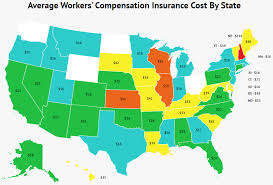
Workers’ Compensation Costs by State
Location also plays a major role.
Recent analyses show:
Lower-Cost States
Examples include:
- Indiana
- Texas
- Idaho
- Utah
Higher-Cost States
Examples include:
- New York
- California
- Alaska
- Washington
State-specific benefit structures and medical costs heavily influence premiums.
Why Workers’ Compensation Costs Are Stable in 2026
Unlike some commercial insurance lines experiencing major premium increases, workers’ compensation remains relatively stable.
Industry analysts attribute this to:
- Improved workplace safety
- Lower injury frequency
- Strong insurer profitability
- Better claims management
However, insurers continue monitoring:
- Medical inflation
- Wage growth
- Claim severity trends
These factors may influence future pricing.
How to Lower Workers’ Compensation Costs
Businesses have several opportunities to reduce premiums.
Verify Employee Classification Codes
Misclassification is one of the most common causes of overpaying.
Office employees incorrectly assigned higher-risk classifications can dramatically increase premiums.
Insurers recommend reviewing class codes carefully.
Improve Workplace Safety
Safety programs can reduce:
- Injury frequency
- Claim severity
- Long-term premiums
Examples:
- Safety training
- Equipment inspections
- Written procedures
- Injury prevention programs
Shop Multiple Carriers
Workers’ compensation pricing can vary significantly between insurers.
Obtaining quotes from multiple carriers often generates meaningful savings.
Manage Claims Effectively
Prompt reporting and effective return-to-work programs may help reduce future costs.
Maintain Accurate Payroll Reporting
Overestimated payroll figures can result in unnecessarily high premiums.
Accurate reporting helps avoid overpayment.
Best Workers’ Compensation Insurance Providers
Several insurers remain popular among small and mid-sized businesses.
The Hartford
Strong workers’ compensation expertise and broad industry coverage.
Travelers
Large national carrier with strong commercial insurance offerings.
Nationwide
Good option for growing businesses.
Progressive Commercial
Competitive pricing for many industries.
NEXT Insurance
Popular among small businesses and startups.
Hiscox
Strong option for consultants and professional services.
Frequently Asked Questions
How Much Does Workers’ Compensation Insurance Cost in 2026?
Many small businesses pay between $54 and $81 per month, although costs vary widely depending on industry, payroll, and location.
Which Industry Has the Highest Workers’ Compensation Costs?
Construction, transportation, roofing, and agriculture generally rank among the most expensive industries.
Which Industry Has the Lowest Workers’ Compensation Costs?
Financial services, consulting, technology, real estate, and beauty services tend to have the lowest premiums.
How Are Workers’ Compensation Premiums Calculated?
Premiums are typically based on:
- Payroll
- Industry classification
- Claims history
- State location
- Experience modification factors
Is Workers’ Compensation Required?
In most states, yes. Requirements vary depending on:
- State law
- Number of employees
- Business structure
Final Thoughts
Workers’ compensation insurance costs vary more by industry than almost any other business insurance product. In 2026, low-risk industries such as consulting, accounting, technology, and real estate often pay only a few hundred dollars annually, while construction, transportation, agriculture, and roofing businesses may pay several thousand dollars—or much more—for coverage.
The largest pricing factors remain industry classification, payroll, claims history, and state regulations. Businesses that invest in workplace safety, maintain accurate employee classifications, and compare quotes regularly are often best positioned to control costs.
For most employers, workers’ compensation insurance is not only a legal requirement—it is a critical safeguard that protects both employees and the long-term financial stability of the business.