
Ever had one of those lazy Sunday afternoons where you’re lounging on the couch, flipping through old family photos, and suddenly a wild thought hits you: “What if a storm rolled in and wrecked this cozy nest I’ve built?” Yeah, that’s where standard home insurance policies come swaggering in like a trusty sidekick, ready to shield your slice of home sweet home. It’s not just about dodging financial punches; it’s about that peace of mind that lets you actually enjoy your space without the what-ifs creeping in. Let’s chat about what these policies typically wrap around, in a laid-back way that feels like we’re grabbing coffee over this.
Picture this: I once knew a neighbor who thought his ancient roof could handle anything—until a freak hailstorm turned it into a sieve. He was scrambling, but thankfully, his home insurance stepped up. Standard home insurance policies are designed to cover the basics, giving homeowners a safety net for the unexpected. In essence, they protect your dwelling, your stuff inside, and even you from legal troubles if someone gets hurt on your property. According to the Insurance Information Institute, over 95% of homeowners have some form of coverage, and it’s no wonder—it’s like having a force field around your everyday life.
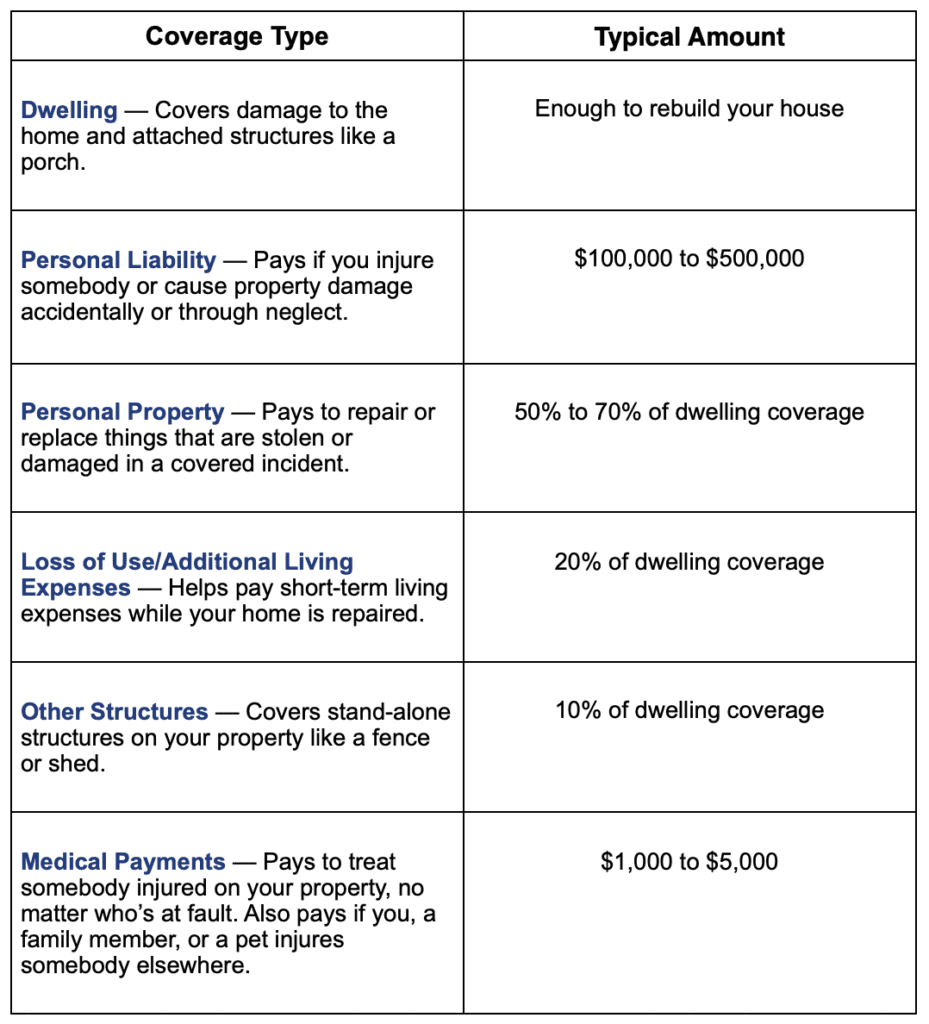
So, what’s actually in that policy bundle? Let’s break it down without getting too bogged down in jargon. Dwelling coverage, for starters, is the star of the show. This part pays to repair or rebuild the physical structure of your home if it’s damaged by covered perils like fire, wind, or hail. Think of it as the foundation of your policy—without it, you’re basically leaving your walls and roof exposed. Then there’s personal property coverage, which safeguards your belongings, from that vintage record collection to your high-tech gadgets. If a burglary hits or a flood ruins your basement stash, this kicks in to replace or repair up to your policy limits.
The Unsung Heroes: Liability and Additional Protections
Alright, let’s not forget about liability—it’s like the polite bouncer at your door, handling situations where you’re legally responsible for injuries or property damage to others. Say a delivery person slips on your icy steps; standard home insurance often covers medical bills and legal fees up to a certain amount. And here’s a quirky tidbit: remember that episode of “The Simpsons” where Homer’s clumsiness causes chaos? Well, in real life, liability coverage is your buffer against those “oops” moments that could turn pricey.
Step-by-step guide to switching insurance providersBut wait, there’s more to these policies than just the basics. Many include additional living expenses coverage, which helps if you’re temporarily kicked out of your home due to a covered event. Imagine your kitchen goes up in flames; this could cover hotel stays, meals, and even pet boarding until you get back on your feet. It’s that thoughtful add-on that makes you feel like the policy has your back on the human side of things. Not all policies are identical, though—factors like your location, home value, and even local weather patterns can tweak what’s included.
Common Exclusions: The Fine Print That Trips People Up
Now, in a relaxed chat like this, I have to throw in a reality check: not everything’s covered. Standard policies often sidestep floods, earthquakes, and routine wear and tear. It’s like how your favorite band skips the encore sometimes—disappointing, but that’s just how it goes. For instance, if you’re in a flood-prone area, you might need separate flood insurance, which is a whole other ballgame. I recall a friend in Florida who learned this the hard way after a hurricane; his standard policy didn’t touch the water damage, leaving him to scramble for extras.
To keep things balanced, let’s compare a few key elements in a simple table. This isn’t meant to overwhelm—think of it as a quick cheat sheet for your next policy review:
| Coverage Type | What It Includes | Typical Limits |
|---|---|---|
| Dwelling | Repairs to home structure from perils like fire or theft | Up to the home’s insured value |
| Personal Property | Replacement of items like furniture and electronics | 50-70% of dwelling coverage |
| Liability | Protection against lawsuits for injuries or damage | $100,000 to $500,000 or more |
| Additional Living Expenses | Temporary housing and costs if displaced | Usually 20% of dwelling coverage |
This snapshot shows how home insurance coverage layers up, but always double-check with your provider since policies vary by state and insurer.
Expert insights on home inventory for claimsTips for Tailoring Your Policy to Real Life
If you’re feeling a bit overwhelmed, don’t sweat it—shopping for home insurance can be as chill as picking out a new houseplant. Start by assessing your needs: Do you live in an area with high winds? Maybe bump up that dwelling coverage. Got valuable art or jewelry? Ensure your personal property limits cover it. And hey, bundling with auto insurance can snag you discounts, making the whole deal more wallet-friendly.
Standard home insurance policies typically cover the structure of your home against fire, wind, and theft, along with your personal belongings and liability for accidents on your property. They also often include living expense reimbursements if you’re forced out temporarily—all aimed at keeping your finances stable during tough times. That’s about 52 words straight to the point, answering what most folks are curious about when they search this topic.
Wrapping Up with a Thoughtful Nudge
As we wind down this casual exploration, imagine glancing around your living room and realizing how much heart is poured into these four walls. Homeowners insurance isn’t just paperwork; it’s a smart hug for your haven. So, why not take a moment to review your policy or chat with an agent? You might uncover ways to tweak it for even better protection—who knows, it could be the best decision for your peace of mind. And if you’re like me, you’ll sleep a little sounder knowing your home’s got that extra layer of care.
Frequently Asked Questions
Q1: Does standard home insurance cover mold damage? Not usually, as mold is often seen as a maintenance issue. You’ll need to check for riders or endorsements that might add this coverage, especially if it’s from a covered event like a leak.
Ways to reduce home insurance risks proactivelyQ2: Can I get home insurance if I have a pool? Yes, but you might face higher premiums due to the liability risks. Insurers often require safety features like fences, so it’s worth discussing upfront.
Q3: How often should I update my policy? Aim for an annual review, especially after big life changes like renovations or buying valuables, to ensure your coverage keeps pace with your home’s value.