
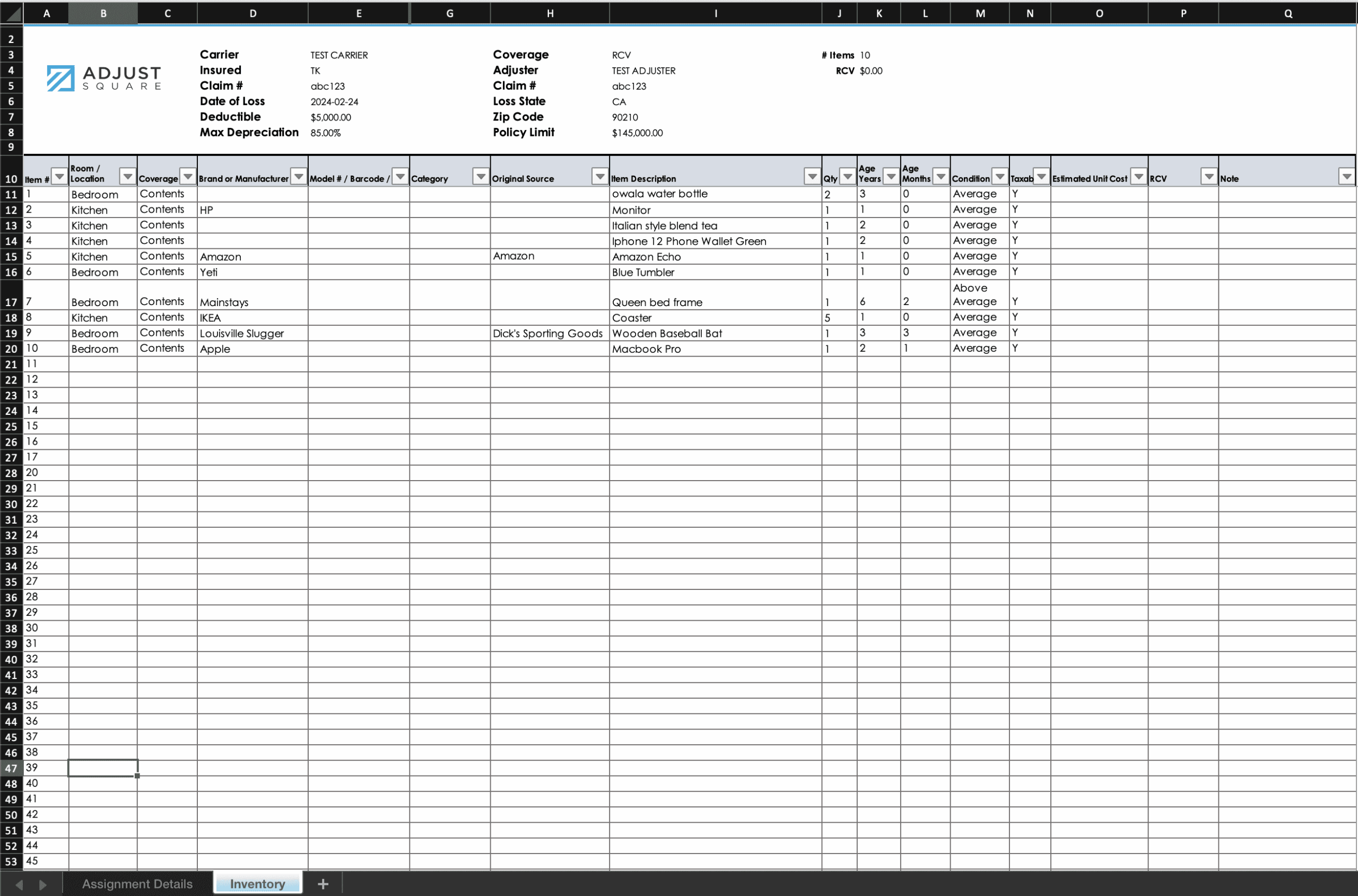
Ever had that sinking feeling when disaster strikes and you’re fumbling through old receipts, trying to remember every little thing in your house? Yeah, me too—that time my basement turned into a mini lake after a storm, and I realized I had no clue what was down there. It’s moments like these that make you appreciate the unsung hero of home insurance: a solid inventory. Today, we’re diving into expert insights on building one specifically for claims, all while keeping things light and straightforward, because who needs more stress when dealing with insurance?
In a nutshell, a home inventory is basically your personal catalog of stuff—furniture, gadgets, that vintage record collection you’ve been hoarding. But when it comes to insurance claims, it’s your secret weapon. Imagine it as a safety net that turns “I think we had a TV” into “Here’s the make, model, and receipt for that 65-inch smart TV we bought last year.” Experts in the home insurance world swear by it because it speeds up claims, reduces disputes, and might even boost your coverage options. According to a relaxed chat I had with a seasoned insurance adjuster, folks with a detailed inventory often get settlements 20-30% faster. Creating a home inventory for claims isn’t just smart; it’s like giving your peace of mind a cozy blanket.
Let’s get real for a second—this isn’t about turning your living room into a spreadsheet factory. The key is to make it fun and effortless, so you actually stick with it. Start by walking through your home with a fresh eye, like you’re a detective in a cozy mystery novel. That old lamp in the corner? Note it down. The point is to capture the essence without overwhelming yourself. And here’s a pro tip from the trenches: tie it to something cultural, like how people meme about Marie Kondo’s tidying magic—spark joy or not, at least you’ll know what you own.
Why Bother with a Home Inventory When Filing Claims?
Okay, picture this: You’re dealing with a claim after a break-in or fire, and the insurance rep asks for details. Without an inventory, you’re guessing, which can feel like trying to solve a puzzle with half the pieces missing. Experts emphasize that a good inventory proves what you had, making the claims process smoother and less emotional. It’s not just about money; it’s about reclaiming your sense of security. Home inventory for insurance claims acts as evidence, helping you avoid undervaluing your losses or facing delays.
Ways to reduce home insurance risks proactivelyFrom what I’ve gathered from pros in the field, this practice has evolved with tech—apps like Sortly or even a simple Google Sheet can track everything. It’s like how social media turned photo albums into shareable stories; your inventory can be a digital diary that evolves. Plus, in the world of home insurance, having one might even lower your premiums if it shows you’re proactive. Think of it as a bridge between your everyday life and the bureaucratic side of claims—practical, yet oddly empowering.
Step-by-Step: Building Your Own Home Inventory the Easy Way
Alright, let’s roll up our sleeves without making it feel like homework. Here’s how to whip up a basic inventory that’ll impress any insurance expert, all in a relaxed vibe.
1Gather your tools: Grab your phone for photos, a notebook or app, and maybe some stickers for fun. Start in one room, snapping pics and jotting notes like “blue sofa, bought in 2020 for $500.”
2Categorize your chaos: Break it down by rooms or item types—electronics, jewelry, furniture. It’s like organizing your Netflix queue; makes everything less overwhelming and easier to reference later.
Key differences in home insurance for condos3Add the details that matter: For each item, note purchase date, cost, and value. Don’t forget receipts if you have them—experts say this is gold for claims. Think of it as building a story for each possession, so when you need it, it’s not just a list; it’s a narrative.
4Store it safely: Back it up online or in a fireproof box. A little paranoia here pays off, as pros recommend having it accessible but secure, like that hidden album on your phone for “important stuff.”
If you’re wondering how to make this directly answer the big question—how does a home inventory streamline insurance claims?—it’s simple: By providing a ready-made list, you cut through the red tape, potentially shaving weeks off processing. In about 50 words, experts agree that a thorough inventory means faster, fairer payouts, turning what could be a nightmare into a manageable hiccup, all while keeping your home insurance coverage working for you.
Pro Tips and Common Pitfalls to Sidestep
From chatting with insurance veterans, I’ve picked up some gems that add real depth. For instance, don’t just list; describe. That “vase” could be a family heirloom worth sentimental value—note it, as some policies cover that. And mix in a bit of tech savvy; apps with geolocation can even track items if you move them, like a digital breadcrumb trail. Asset tracking for home insurance isn’t boring; it’s a creative way to protect your story.
Ideas for insuring historic homes effectivelyOne expert shared a funny anecdote about a client who forgot their wine collection—turns out, a detailed inventory saved the day and a few bottles’ worth in claims. On the flip side, avoid the trap of annual updates feeling like a chore; tie it to seasons or events, like spring cleaning. It’s all about balance, keeping your household items tracking effortless and effective.
| Inventory Method | Pros | Cons |
|---|---|---|
| Spreadsheet (e.g., Excel) | Easy to customize and free; great for detailed notes. | Can be tedious to update; not mobile-friendly. |
| Mobile Apps (e.g., Encircle) | Quick photo integration and cloud storage; feels modern. | May require subscription; depends on phone battery. |
Frequently Asked Questions
What’s the best time to update my home inventory?
Ideally, after big purchases or moves, like holiday shopping or spring rearrangements. It keeps things current without overwhelming you, ensuring your home insurance claims go smoothly if needed.
Do I need a professional to help with this?
Not really, but if you’re tech-averse, apps or basic guides can suffice. Experts suggest starting solo for a personal touch, then consulting your insurer for tailored advice on home inventory practices.
As we wrap this up, think about how a simple inventory could be your quiet ally in the chaos of life—maybe even inspire you to finally organize that junk drawer. What’s one step you’ll take today to safeguard your home’s story?
Solutions for underinsured home scenarios