
Ever had that moment when you open your mailbox and it’s stuffed with yet another health insurance bill that makes your wallet whimper? Yeah, me too—last year, I juggled premiums that felt like they were playing hide-and-seek with my budget. It’s frustrating, isn’t it? But here’s the thing: there are smarter ways to tackle those costs without sacrificing your peace of mind or your health coverage. In this laid-back chat about health insurance, we’ll dive into top strategies for cost reduction that actually work, drawing from real-life tweaks I’ve seen friends make and some expert insights I’ve picked up along the way.
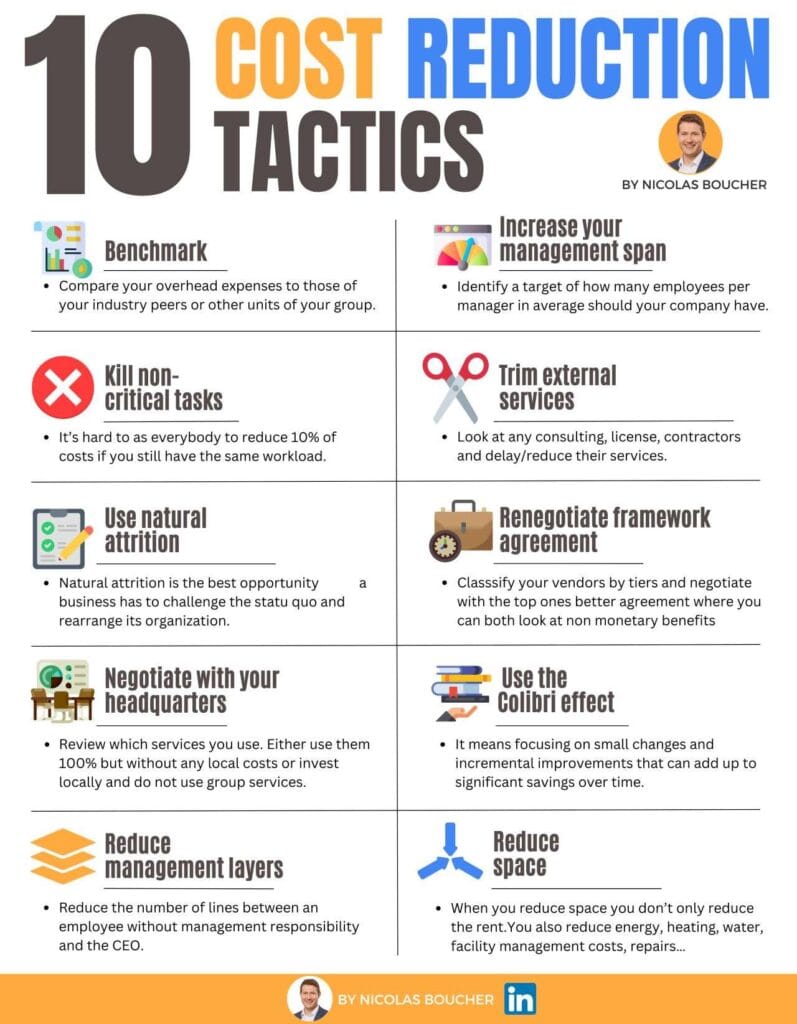
Top strategies for cost reduction in health insurance boil down to making informed choices that align with your lifestyle. By comparing plans, opting for higher deductibles, and leveraging preventive care, you can lower your premiums significantly while maintaining essential coverage. This approach not only saves money but also empowers you to manage your health proactively—think of it as giving your finances a much-needed spa day, without the extra fluff.
Let’s ease into this. Imagine you’re at a buffet—health insurance options are everywhere, but piling your plate high with every dish might leave you overstuffed and broke. The key is to pick what you really need. Start by assessing your health habits: Do you visit the doctor often, or are you more of a “preventive check-up once a year” type? This self-reflection can guide you to a plan that fits like a favorite pair of jeans, not one that’s too tight on your budget.
Why Your Current Plan Might Be Costing More Than It Should
Okay, let’s get real for a second. Many folks stick with their health insurance plan out of habit, like that comfy old sweater you won’t throw away. But if it’s not tailored to your life, you’re probably overpaying. For instance, if your family rarely needs specialist visits, a plan loaded with those perks might be inflating your premiums. A quick audit—maybe jot down your medical expenses from the last year—can reveal surprises. I once helped a buddy realize he was paying extra for vision coverage when he wore contacts from a discount store. Switching saved him hundreds, and it felt like winning a small lottery.
Common questions on policy detailsTo dig deeper, consider the role of networks. Insurers often partner with specific doctors and hospitals, and staying in-network can slash your out-of-pocket costs. It’s like getting a friends-and-family discount at your favorite cafe. If you’re venturing out-of-network without realizing it, costs pile up fast. Pro tip: Use your insurer’s app or website to check providers—it’s as easy as scrolling through social media feeds.
Practical Strategies to Slash Those Premiums
Alright, here’s where we roll up our sleeves and get into the good stuff. One of my go-to moves is exploring high-deductible health plans (HDHPs). These let you pay lower monthly premiums in exchange for a higher deductible—think of it as betting on yourself to stay healthy. Pair this with a Health Savings Account (HSA), and you’re essentially setting aside pre-tax dollars for medical expenses. It’s a win-win, like finding money in your coat pocket from last winter.
Another angle: preventive care is your secret weapon. Most plans cover annual check-ups, vaccines, and screenings at little to no cost. By catching issues early, you avoid pricey treatments down the line. Remember that meme about the avocado toast generation? Well, skipping regular health check-ins is like skipping the toast and going straight for the debt—nobody wants that. Plus, some insurers offer wellness incentives, like rebates for gym memberships, which can feel like a high-five from your policy.
If you’re feeling adventurous, negotiate your bills. Hospitals and providers often have wiggle room, especially if you’re uninsured or underinsured at the moment. A friend of mine haggled down a medical bill by 20% just by asking politely—it’s not always about confrontation, but conversation. And don’t overlook generic medications; they can cut pharmacy costs by up to 80%, making your prescription routine way less painful on the wallet.
Ideas for international travel coverageComparing Your Options: A Quick Breakdown
Sometimes, a side-by-side look helps. Here’s a simple table to compare common health insurance strategies for cost reduction:
| Strategy | Potential Savings | Pros | Cons |
|---|---|---|---|
| High-Deductible Plans | Up to 30% on premiums | Lower monthly costs; HSA eligibility | Higher out-of-pocket for initial care |
| Generic Drugs | 50-80% on prescriptions | Easy switch; widely available | May require doctor approval |
| Preventive Focus | Avoids emergency expenses | Free or low-cost check-ups | Requires discipline and planning |
This isn’t exhaustive, but it shows how tailoring your approach can lead to real savings. For example, if you’re young and healthy, leaning into preventive strategies might save you more than sticking with a comprehensive plan.
Extra Tips for Long-Term Savings
Let’s wrap this up with a few under-the-radar ideas. Bundle your policies if you can—some insurers offer discounts for combining health with auto or home coverage, like a buy-one-get-one-free deal. Also, keep an eye on open enrollment periods; that’s your chance to switch without penalties, almost like upgrading your phone plan annually.
And hey, if life’s thrown you a curveball, like job loss, look into COBRA or state marketplaces. They can bridge the gap affordably. I recall a cultural nod from that Netflix show about financial struggles—it highlighted how everyday folks navigate these waters, reminding us we’re not alone in this.
Solutions for uninsured scenariosFAQ: Quick Answers to Common Questions
Q1: Can I reduce health insurance costs without changing plans? Absolutely, by using in-network providers and opting for generics, you can cut expenses by 20-40% right away, all while sticking with your current coverage.
Q2: Is it worth paying for an HSA? If you’re on a high-deductible plan, yes—it’s like a personal savings account for health costs that grows tax-free, potentially saving you thousands over time.
Q3: How often should I review my policy? At least once a year, especially during open enrollment, to ensure it matches your evolving health needs and budget.
As we part ways, think about this: What’s one small change you could make today that might ease your financial load tomorrow? Whether it’s comparing plans or just chatting with your doctor, you’ve got the power to turn those overwhelming bills into manageable ones. Cheers to smarter choices and a little more breathing room in your wallet.
Comparing tiers of health plans