
Ever had that moment when you’re staring at a medical bill, coffee in hand, and you spot this mysterious thing called a deductible staring back at you like an uninvited guest at a party? Yeah, me too. It was back when I twisted my ankle playing pickup basketball—nothing serious, but the ER visit turned into a crash course in health insurance lingo. Suddenly, I was knee-deep in deductibles and costs, wondering why something so crucial feels like decoding ancient hieroglyphs. Today, we’re diving into how deductibles really shake up your health insurance expenses, keeping things light and straightforward, like chatting over coffee.
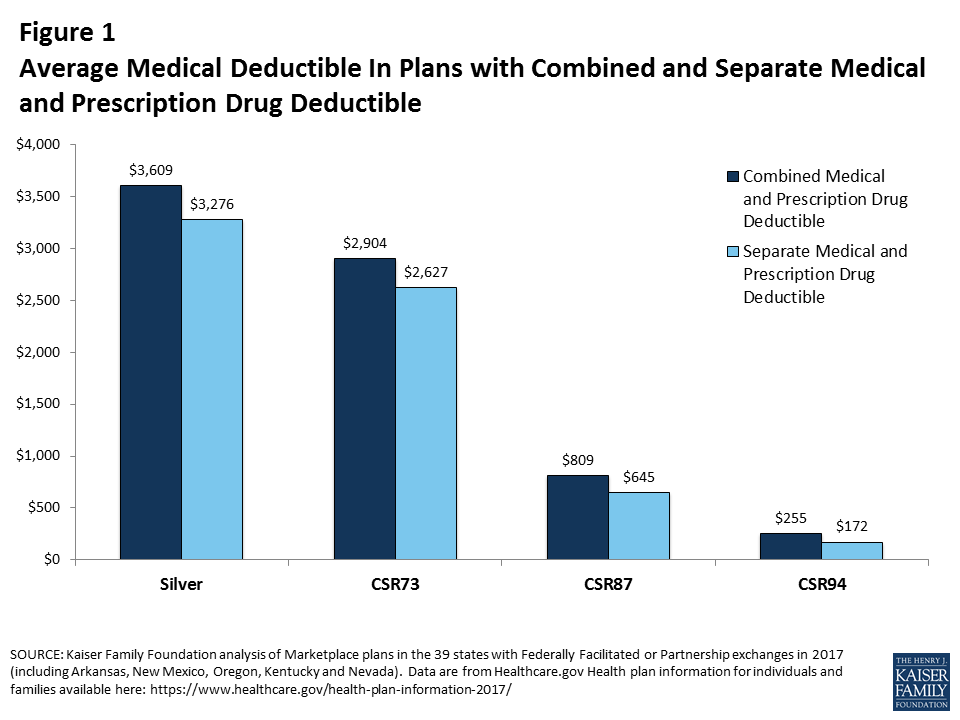
In health insurance, a deductible is basically that upfront amount you have to pay before your insurance kicks in and starts covering costs. Think of it as the entry fee to the insurance amusement park—deductibles impact costs by making you shoulder more initially, but they can lower your monthly premiums. It’s a trade-off, right? If you’re someone who rarely gets sick, a higher deductible might save you money in the long run, but if doctor’s visits are your thing, it could sting. According to a quick stat from the Kaiser Family Foundation, the average deductible for individual plans has jumped over 50% in the last decade, which means more folks are feeling this pinch firsthand.
Breaking Down What Deductibles Really Mean for Your Wallet
Let’s get real for a second—deductibles aren’t just numbers on a page; they’re gatekeepers to your medical care. Imagine you’re buying a car: a higher deductible is like opting for a sports model with a bigger engine but a heftier down payment. In health insurance terms, it directly affects your out-of-pocket costs by determining how much you pay before benefits activate. For instance, if your plan has a $2,000 deductible, you’ll cover that full amount for services like doctor visits or prescriptions before your insurer chips in. This setup can make premiums cheaper—those monthly payments you make regardless—but it’s a double-edged sword.
Here’s where it gets interesting: in a relaxed world, we’d all love low deductibles for peace of mind, but that’s not always practical. I once heard a buddy complain about his high-deductible plan after a surprise surgery; he ended up paying thousands out of pocket. On the flip side, if you’re healthy and active, like hiking enthusiasts who only see a doctor for annual check-ups, a higher deductible keeps your premiums low, freeing up cash for that next adventure. It’s all about balancing risk with everyday life, and that’s the human element we often overlook in these dry insurance chats.
Exploring short-term insurance alternativesHow Deductibles Play Out in Real-Life Medical Scenarios
Picture this: you’re at a family barbecue, and someone brings up health insurance—cue the eye rolls. But stick with me; it’s like that viral meme of the confused cat trying to understand finance. Deductibles can turn a simple doctor’s visit into a budget buster. For example, if you have a $1,000 deductible and need an MRI, you’ll pay the full cost until you hit that threshold. This impact on costs means your total medical expenses could skyrocket if you have multiple issues in a year, whereas a lower deductible spreads the burden but hikes your premiums.
To make this more tangible, let’s compare a couple of scenarios in a simple table. This isn’t meant to overwhelm; it’s just to show how choices add up.
| Plan Type | Deductible Amount | Monthly Premium | Estimated Annual Cost (for moderate use) |
|---|---|---|---|
| Low-Deductible Plan | $500 | $400 | $5,300 (premiums + out-of-pocket) |
| High-Deductible Plan | $2,000 | $250 | $4,500 (if you don’t hit the deductible often) |
As you can see, that high-deductible option might save you on premiums, but it amps up your potential costs if health issues arise. It’s like choosing between a reliable old bike and a flashy new one—both get you places, but one might leave you pedaling harder uphill.
Navigating the Bigger Picture: Tips and Tricks for Smarter Choices
Now, if we’re keeping it relaxed, let’s not pretend this is rocket science, but there are ways to make deductibles work for you without losing sleep. Start by assessing your health habits—do you hit the gym regularly or skip doctor visits? A high-deductible plan paired with a Health Savings Account (HSA) can be a game-changer, letting you save pre-tax dollars for those inevitable medical hiccups. And here’s a direct answer to the core question: Deductibles impact costs by increasing your initial payments, which can lower overall insurance expenses if you’re healthy, but they raise the risk of higher out-of-pocket totals during illnesses—essentially, it’s about weighing short-term hits against long-term savings in your health insurance strategy. That’s about 45 words, hitting that sweet spot for a quick insight.
Best ways to appeal denialsFrom my own experience, chatting with a broker over coffee helped me realize that factoring in family history or lifestyle changes makes all the difference. Ever notice how pop culture, like in those Netflix shows where characters dodge medical bills, mirrors real life? It’s a nudge to stay informed and proactive, maybe even turning insurance reviews into a fun family discussion rather than a chore.
Why Lifestyle Matters in This Equation
Digging deeper, your daily grind plays a huge role. If you’re a parent with kids in sports, lower deductibles might be worth the extra premium to avoid surprises from ER trips. Conversely, if you’re a solo adventurer, embracing a higher deductible could mean more funds for travel. It’s not just about numbers; it’s about weaving insurance into your life’s narrative, making sure it supports your goals without becoming a burden.
As we wrap up this laid-back exploration, think about how these choices ripple into your future. What if you reframed deductibles not as obstacles, but as tools for building a more secure life? It’s a gentle call to dive into your policy details, maybe over that next cup of joe, and make moves that feel right for you. And hey, if you’re curious about more, drop a line or check reliable resources—your health journey deserves that extra thought.
Quick FAQ on Deductibles and Health Insurance
Q1: What exactly is a deductible in health insurance? A deductible is the amount you pay for covered medical services before your insurance starts to pay. It’s like the co-pay’s bigger cousin, varying by plan and helping keep premiums affordable.
Understanding copayments and coinsuranceQ2: How can I decide if a high-deductible plan is right for me? Consider your health needs and budget; if you’re generally healthy and can save for unexpected costs, it might save money. Chat with an advisor to align it with your lifestyle for the best fit.
Q3: Do deductibles affect all types of medical costs? Mostly yes, but some services like preventive care might be exempt. Always check your plan details to know what’s covered and when your deductible applies.