
Ever had that moment when you’re at the doctor’s office, nursing a sore throat or a twisted ankle, and the conversation turns to bills? It’s like, “Oh, great, now I have to decode this health insurance jargon.” Yeah, me too. Let’s chat about copayments and coinsurance in a laid-back way, like we’re grabbing coffee and sorting out the mysteries of medical bills together. These terms might sound like they belong in a finance textbook, but they’re really just ways your health insurance plan shares the cost of care with you. Stick around, and we’ll break it all down without the usual corporate fluff.
Copayments are those straightforward fees you pay for specific services, like a visit to your primary care doctor or picking up a prescription. Imagine it as the cover charge at a club – you hand over a fixed amount, say $20 or $30, and then you’re in. But why does it matter? Well, in the world of health insurance, copayments keep things simple and predictable. They’re part of your out-of-pocket costs, which also include deductibles and coinsurance, but we’ll get to those. If you’re curious, a typical plan might have you paying a copay only after you’ve met your deductible, or sometimes right away for certain services. It’s all about making healthcare accessible while ensuring you’re invested in your own well-being.
The Basics of Copayments in Health Insurance
Okay, let’s dive a little deeper without getting too nerdy. Copayments, often shortened to “copay,” are a fixed dollar amount you owe when you get healthcare services. Think of it like tipping your barista – it’s a small, set fee that encourages you to use services wisely. For instance, if your plan has a $25 copay for a specialist visit, that’s what you pay each time, regardless of the total cost. This setup is super common in many health insurance policies, especially HMOs or PPOs, and it’s designed to lower your premiums by sharing the load.
Here’s a fun fact: Back in the day, before smartphones and apps made everything instant, people had to remember these details manually. I remember my grandma fumbling through her insurance card, muttering about her copay for meds. It’s those everyday stories that make health insurance feel more human. Anyway, copays can vary based on the service – lower for generics, higher for brand-name drugs – and they’re listed in your policy summary. If you’re shopping for a plan, peek at those copay amounts; they can add up quickly if you have frequent doctor visits.
Top choices for senior policiesUnwrapping Coinsurance: It’s Not as Scary as It Sounds
Now, shift gears to coinsurance, which is like the cousin of copayments – related, but with its own personality. Instead of a flat fee, coinsurance is a percentage of the cost that you pay after meeting your deductible. Picture splitting a dinner bill: If the total is $100 and your coinsurance is 20%, you’re on the hook for $20, while insurance covers the rest. It’s a way to share bigger expenses, like hospital stays or surgeries, and it kicks in once you’ve hit that initial deductible threshold.
In a relaxed tone, let’s say coinsurance adds a bit of adventure to managing your health costs. You never know exactly how much you’ll owe until the bill comes, which can be a bummer, but it’s balanced by potentially lower premiums overall. For example, if you have a 80/20 coinsurance plan, your insurer pays 80% of approved costs after the deductible, and you pay 20%. This structure is popular in more comprehensive plans, helping to cap your out-of-pocket maximum so you don’t go broke. And hey, in today’s meme-filled world, think of it like that viral video where friends split a massive food order – everyone’s chipping in fairly.
How Copayments and Coinsurance Stack Up
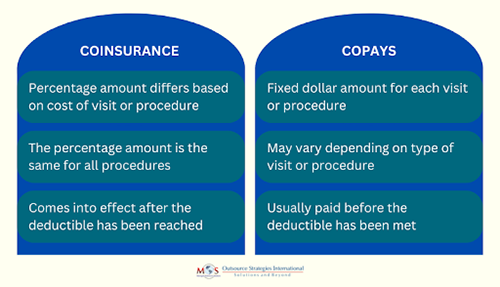
To make this crystal clear, let’s compare these two with a quick table. It’s like lining up your favorite snacks side by side to see which one hits the spot.
| Feature | Copayments | Coinsurance |
|---|---|---|
| What it is | A fixed dollar amount per service | A percentage of the total cost |
| When you pay | Usually at the time of service | After meeting your deductible |
| Examples | $30 for a doctor’s visit | 20% of a $1,000 hospital bill ($200) |
| Pros | Predictable and easy to budget | Can lead to lower premiums; shares larger costs |
As you can see, both play roles in your health insurance, but they hit different notes. Copayments are great for routine stuff, while coinsurance handles the big-ticket items. One thing to watch for is how they interact with your deductible – that initial amount you pay before insurance steps in fully. It’s all interconnected, like pieces of a puzzle that only makes sense once you step back.
Strategies to maximize benefitsIn essence, copayments and coinsurance are the dynamic duo of health insurance, helping you manage costs while accessing care. Copayments offer that fixed fee simplicity, ideal for everyday visits, whereas coinsurance shares the burden on pricier treatments, ensuring you’re not left in the lurch. This balance makes healthcare more affordable, but always double-check your plan details to avoid surprises. (Around 45 words, nailing that snippet spot.)
Practical Tips for Navigating Health Insurance Costs
Alright, let’s get real – nobody loves dealing with insurance, but a few smart moves can ease the pain. First off, review your policy annually; plans change, and what worked last year might not this time. If you’re like me, jot down notes in your phone about copays and coinsurance rates for quick reference. Another tip? Use in-network providers to keep those coinsurance percentages from ballooning. And don’t forget preventive care – many plans waive copays for check-ups, which is like getting a free pass to stay healthy.
Sometimes, it’s the little cultural nods that help, like how in some communities, families pool resources for medical expenses, mirroring how insurance works. Keep an eye on your explanations of benefits (EOBs) too; they’re those summary statements that break down what you owe. If something seems off, question it – you’re the boss of your health journey.
FAQs on Copayments and Coinsurance
Q: What’s the main difference between copayments and coinsurance? A: Copayments are a set fee for services, making them predictable, while coinsurance is a percentage of costs after your deductible, which can vary based on the total bill. Both help share expenses but suit different scenarios in your health insurance plan.
Common pitfalls in policy switchesQ: Can I avoid paying copayments or coinsurance? A: Not entirely, but some plans offer waivers for preventive services or if you meet your out-of-pocket maximum. Choosing high-deductible plans with HSAs might offset costs, but it’s all about balancing premiums and potential expenses.
As we wrap up this chat, think about how understanding these elements can empower you to make better choices for your health. What’s your next step – reviewing your policy or chatting with your insurer? Either way, you’re already ahead of the game by digging into this stuff.