
Ever had that sinking feeling when you realize your car insurance isn’t the magic shield you thought it was? I remember chatting with my buddy Jake last summer—he’d just wrecked his vintage Mustang in a storm, only to find out his policy didn’t cover weather-related damage because of a sneaky exclusion. It’s moments like that that make you pause and think about how these fine-print details can turn your peace of mind upside down. In the world of auto insurance, exclusions aren’t just boring legalese; they’re the gatekeepers that define what your policy actually protects you from.
Exclusions in auto insurance can significantly limit your coverage, potentially leaving you on the hook for repairs or medical bills if an incident falls outside the policy’s boundaries. Essentially, they carve out specific scenarios or conditions where your insurer won’t pay, which directly impacts the overall value and reliability of your protection. For instance, if you’re driving your car for business purposes and it’s excluded, you could face hefty out-of-pocket costs after an accident. This snippet of insight aims to help you navigate these pitfalls, ensuring you’re not caught off guard when you need coverage most—think of it as a friendly heads-up from one driver to another.
What Exactly Are Exclusions in Your Auto Policy?
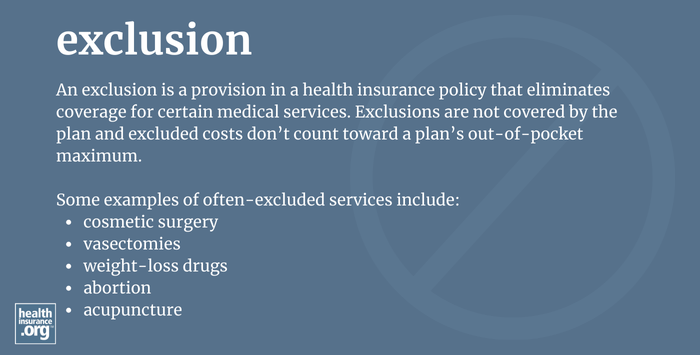
Let’s break this down casually, like we’re grabbing coffee and talking cars. Exclusions are the “not this” parts of your auto insurance policy—they’re the exceptions that keep premiums affordable but can bite when you least expect it. Imagine your policy as a safety net; exclusions are the holes in it. In auto insurance, these might include things like intentional damage, driving under the influence, or using your vehicle for racing. It’s not about tricking you; it’s the insurer’s way of managing risk. From my own dives into policies, I’ve seen how these details vary by provider, but they all stem from the same idea: covering what’s predictable and steering clear of high-risk bets.
Why does this matter for your everyday drive? Well, exclusions can make a huge difference in scenarios that feel all too real. Take wear and tear, for example— that’s often excluded, meaning if your engine conks out from age, you’re paying for the fix yourself. Or, in a pop culture nod, think of those action movies where heroes mod their cars for stunts; in real life, modifications might void coverage if they’re not disclosed. It’s a reminder that auto insurance isn’t one-size-fits-all—it’s tailored to your habits, and exclusions help insurers keep it that way without jacking up costs for everyone.
Top factors influencing insurance costsCommon Exclusions and Their Real-World Impact
Picture a typical exclusion list; it’s like a menu of “what ifs” that could leave you exposed. For auto policies, common ones include acts of war, damages from nuclear hazards (yeah, it’s rare, but it’s there), or even using your car as a taxi without proper endorsement. The impact? It can turn a fender-bender into a financial headache. If you’re using your ride for ridesharing, that might be excluded unless you add specific coverage, potentially leaving you liable for accidents during those trips.
To add some variety, let’s compare how exclusions play out across different policies. Here’s a quick table to visualize it:
| Exclusion Type | Typical Impact on Policy | Example Scenario |
|---|---|---|
| Driving under the influence | No coverage for accidents caused while impaired | You’re in a crash after a night out, and repairs come out of your pocket. |
| Use in business | Excludes commercial activities | Delivering packages with your personal car leads to uncovered damages. |
| Mechanical wear | Not covered for normal deterioration | Your brakes fail due to age, and you’re on the hook for the full repair bill. |
This table isn’t exhaustive, but it shows how exclusions can reshape your auto insurance experience, making you more vulnerable in everyday situations. And here’s a fun twist—remember that viral meme about “adulting” and unexpected bills? Exclusions are like that uninvited guest at the party, popping up when you’re least prepared.
How Exclusions Shape Your Coverage and What You Can Do
Now, let’s get into the nitty-gritty without getting too stuffy. Exclusions don’t just sit there; they actively mold how much protection you get, often influencing your premium rates too. If your policy has broad exclusions, you might pay less upfront, but that savings could evaporate if you need to claim for something that’s not covered. For auto insurance specifically, exclusions can affect everything from liability to comprehensive coverage, potentially exposing you to lawsuits or repair costs that hit your wallet hard.
Guide to insuring classic carsIn a more reflective vein, I’ve heard stories from folks who wished they’d paid closer attention—like the family who assumed their teen driver’s joyride was covered, only to learn recreational use had exclusions. To counter this, start by reviewing your policy annually; chat with your agent about your driving habits and consider add-ons like uninsured motorist coverage. It’s about building a policy that fits your life, not just checking a box. And if you’re feeling adventurous, think of exclusions as puzzle pieces—fit them right, and your auto insurance becomes a solid defense against the road’s uncertainties.
A Quick Dive into State Variations
Don’t forget, exclusions aren’t universal; they vary by state laws and insurer rules. In places like California, certain exclusions might be more strictly regulated, while in Texas, you could face unique risks from weather-related claims. This regional flavor adds depth to how exclusions affect your policy, urging you to tailor your auto insurance to your local reality.
Tips for Navigating Exclusions Like a Pro
To wrap up the heavy lifting, here’s how to handle exclusions without losing your cool. First off, read that policy document like it’s a bestselling novel—highlight the exclusions and ask questions. Then, customize your coverage; for instance, if you tow a trailer often, ensure it’s not excluded. And always, shop around—comparing policies can reveal how different insurers handle exclusions in auto insurance, potentially saving you stress down the line.
In a lighter moment, imagine exclusions as the plot twists in your driving story; they’re unexpected, but with the right strategy, you can steer clear of trouble. By staying informed, you’re not just buying insurance—you’re investing in your peace of mind on the road.
Guide to insuring classic carsFAQs on Auto Insurance Exclusions
Q: Can I remove exclusions from my auto policy? A: Sometimes yes, by paying for additional endorsements or riders, but it depends on your insurer and driving history. It’s worth discussing with your agent to see if adjustments fit your needs.
Q: How do exclusions affect my premium? A: Exclusions can lower your premium by reducing the insurer’s risk, but if you need to add back coverage, it might increase costs—so it’s a balancing act for your auto insurance setup.
Q: Are exclusions the same for all auto insurance types? A: Not exactly; liability policies might have different exclusions than comprehensive ones, so always check specifics for the coverage you’re buying.
As we hit the brakes on this chat, think about this: what’s one change you’ll make to your auto insurance game plan today? It’s your ride, after all—make sure it’s truly protected.
Common oversights in policy reviews