
Ever noticed how buying a new car feels like stepping into a whirlwind of excitement, only to hit the brakes when the insurance quote rolls in? It’s like expecting a smooth cruise and ending up in a traffic jam of numbers and fine print. As someone who’s navigated the twists and turns of auto insurance myself, I can tell you that understanding what jacks up those premiums isn’t just smart—it’s a game-changer for your wallet. Today, we’re diving into the top factors that swing the pendulum on insurance costs for your ride, keeping things light and straightforward, because who needs more stress on the road?
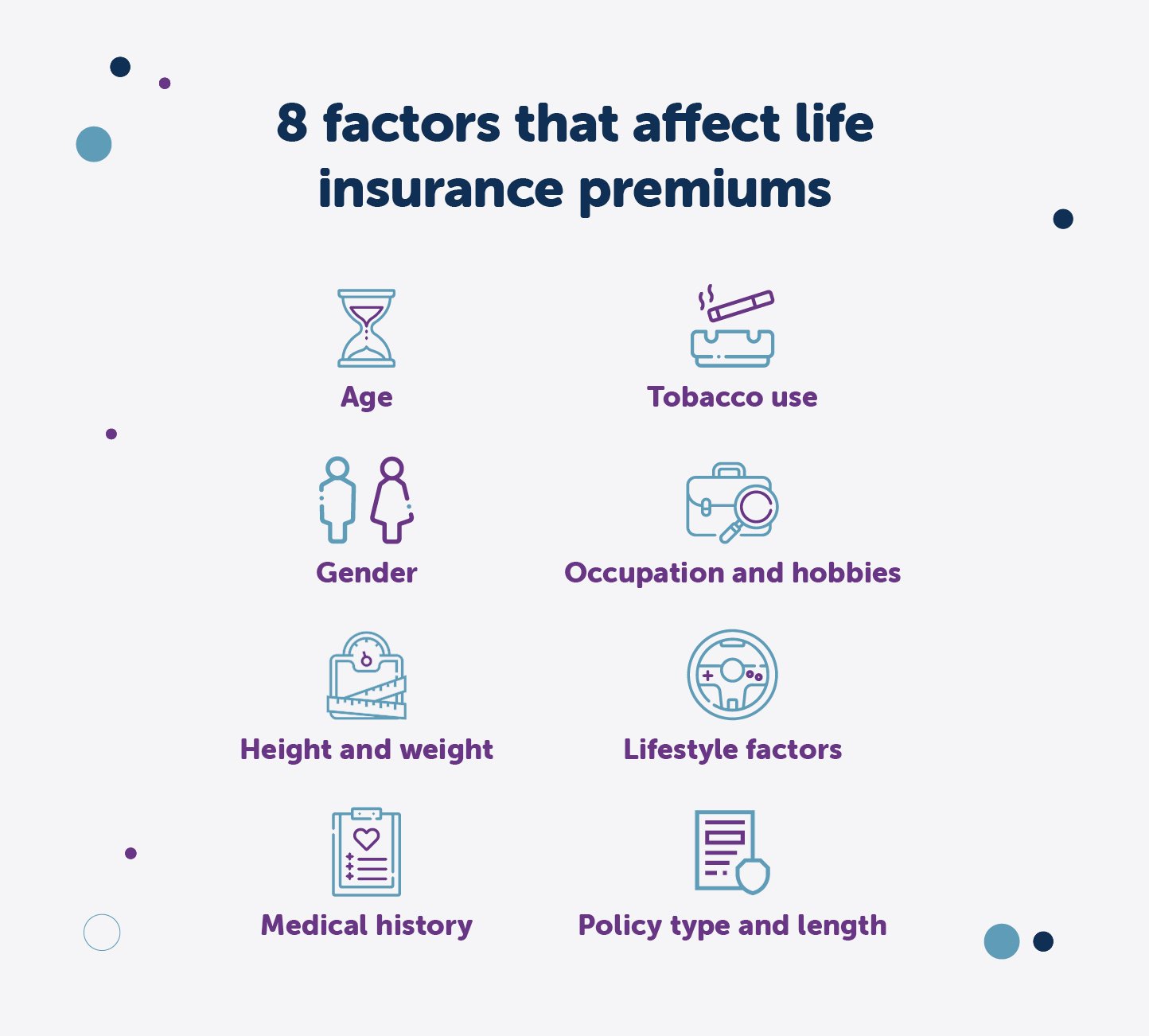
Top factors influencing insurance costs boil down to a mix of your habits, your car’s quirks, and even where you park it at night. Essentially, insurers are playing detective, assessing how likely you are to file a claim. To put it simply, if you’re a safe driver in a modest car living in a quiet suburb, you might pay less than a newbie behind the wheel of a sports car in a bustling city. This core idea—risk equals cost—directly answers why your policy price varies so much, helping you tweak your setup for better rates without the hassle.
The Story Behind Your Driving Record
Let’s kick things off with something personal: your driving history. Picture this—I’ve got a buddy who thought his spotless record meant cheap insurance forever, until a fender-bender bumped his rates sky-high. Insurers dig into your past like they’re scrolling through old social media posts, checking for tickets, accidents, or even DUIs. A clean slate can score you discounts, while a blemish might tag you as high-risk, inflating costs by 20-40%. It’s not just about punishment; it’s their way of predicting future trouble, so maintaining a safe driving habit isn’t just for the road—it’s for your bank account too.
Other elements like how many miles you rack up annually play in here. High mileage? That means more exposure to potential wrecks, so premiums climb. Conversely, if you’re mostly chilling in the driveway, you could negotiate lower rates. This factor alone shows how everyday choices ripple into your insurance world, making it a prime area to focus on for savings.
Guide to insuring classic carsYour Car’s Personality and Perks
Now, shift gears to the star of the show: your vehicle. Ever wonder why that flashy sports car costs a fortune to insure compared to a family sedan? It’s all about the car’s features and how insurers size up its appeal to thieves or its repair expenses. For instance, a model with anti-theft tech or advanced safety features like automatic braking might knock down your premiums by earning you safety discounts—I’ve seen folks save hundreds just by opting for these extras.
To illustrate, let’s compare: a basic compact car versus a luxury SUV. The compact might have lower repair costs and less allure for crooks, leading to cheaper insurance, while the SUV could mean higher premiums due to its heftier price tag and potential for bigger claims. If you’re in the market, think about this—choosing a car with good safety ratings isn’t just about peace of mind; it’s a strategic move that directly influences those monthly bills.
| Car Type | Average Insurance Impact | Why It Matters |
|---|---|---|
| Sports Car | High premiums (up to 50% more) | Higher speed risk and theft potential |
| Sedan | Moderate premiums | Balanced safety and lower repair costs |
| Hybrid/Electric | Lower premiums with incentives | Eco-friendly perks and safety features often reduce rates |
Where You Roam and Other Life Details
Location, location, location—it’s not just for real estate. Living in a high-crime area or a spot with crazy weather can hike up your auto insurance faster than a sudden downpour. For example, urban dwellers might face steeper costs due to traffic jams and vandalism risks, whereas rural folks often enjoy lower rates. I’ve lived in both spots, and trust me, moving to a quieter neighborhood shaved off a noticeable chunk from my policy.
Age and experience factor in big time too. Young drivers under 25? You’re tagged as inexperienced, which means higher premiums until you prove otherwise. On the flip side, seniors might see increases if stats show more accidents in their age group. It’s a reminder that auto insurance costs aren’t static; they evolve with your life stage, so keeping an eye on these can help you adapt.
Guide to insuring classic carsHidden Influences on Your Premium
Beyond the obvious, things like your credit score in certain states or even your marital status can sneak into the equation. Insurers use credit as a predictor—good score, lower risk, cheaper rates. And if you’re married, you might get a bundle discount because stats say couples are safer drivers. It’s quirky how these personal details weave into factors influencing insurance costs, turning insurance shopping into a bit of a personal audit.
Don’t overlook bundling policies or adding safety courses; these can trim costs without much effort. In my experience, a quick defensive driving class not only refreshed my skills but also earned me a discount that paid for the course itself.
FAQ
Q: How often do insurance rates change based on these factors? They can fluctuate annually or after major life events like moving or an accident, so reviewing your policy yearly keeps you ahead of surprises.
Q: Can I lower my rates if I have a high-risk factor? Absolutely—options like increasing your deductible or installing safety devices can help mitigate costs, making it worth exploring with your insurer.
Common oversights in policy reviewsWrapping this up on a lighter note, what if we flipped the script and used these factors to our advantage, turning insurance from a chore into a savvy choice? Think about how understanding this could steer your next car decision—empowering, right? Hit the road with that knowledge and maybe even share your own insurance wins with friends.