
Ever cranked up the horsepower on your ride or slapped on some flashy rims, only to realize that your insurance might not be as thrilled about it as you are? Yeah, I’ve been there—tinkering with my old sedan a few years back, adding a turbo kit that made it roar like a lion, but then scratching my head over how that affects the coverage. It’s one of those adulting moments that sneaks up on you, right? Today, we’re diving into the world of auto coverage for modified vehicles, breaking it down in a chill way so you can cruise through this without the stress.
Auto coverage for modified vehicles basically means tailoring your car insurance to handle the tweaks you’ve made, whether it’s a custom paint job, upgraded suspension, or a beefed-up engine. If you’re wondering how this works, it’s all about protecting your investment while keeping insurers happy. In a nutshell, modifications can bump up your risk profile, so policies often need adjustments to cover potential higher repair costs or theft risks. This ensures you’re not left in the lurch if something goes wrong—think of it as giving your souped-up car its own safety net, customized just like your mods.
Let’s get real for a second—modifying your vehicle is like giving it a personality transplant. I remember chatting with a buddy who turned his pickup into a off-road beast with lifted suspension and all-terrain tires. He thought it was just about fun drives, but when he went to renew his insurance, he hit a snag. Insurers aren’t just being picky; they’re looking at stats that show modified cars can attract more attention from thieves or suffer from pricier fixes. So, if you’re into that mod life, understanding coverage isn’t just smart—it’s essential to keep your wallet from taking a hit.
How exclusions affect your policyWhat Counts as a Modified Vehicle Anyway?
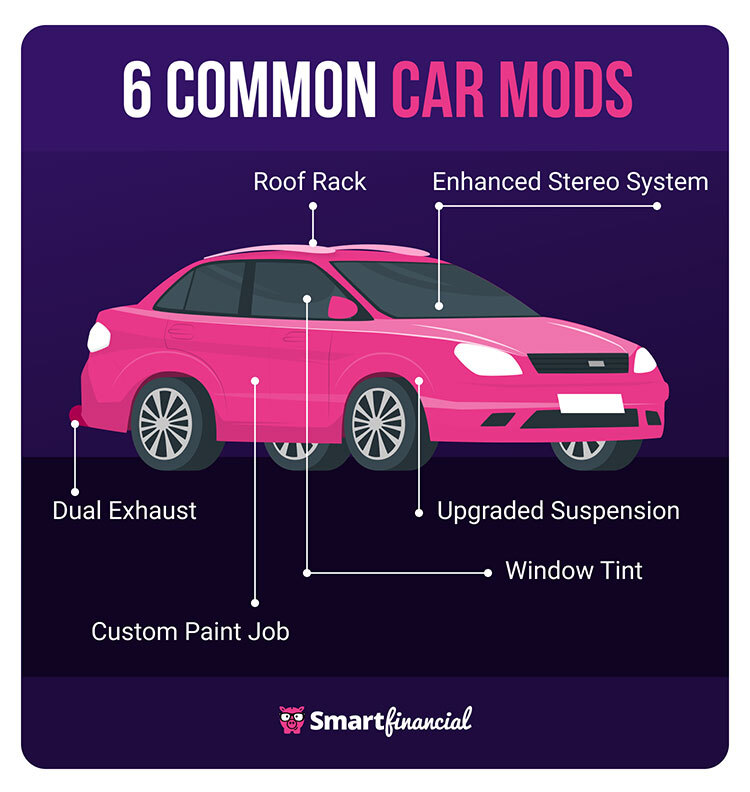
You might be surprised at what qualifies as a modification. It’s not only the big stuff like engine swaps or body kits; even smaller changes, like tinted windows or a high-end sound system, can count. From a relaxed perspective, think of it as anything that strays from the factory settings—your car evolving beyond its original blueprint. Insurers categorize these into cosmetic mods, performance enhancements, and functional upgrades, each potentially affecting your premium differently. For instance, a simple wheel upgrade might not spike costs much, but a nitrous system? That could raise eyebrows and rates.
In the world of car culture, mods are everywhere—from street racers to daily drivers jazzing up their rides with LED lights. I once saw a meme on social media about a guy whose modified Civic got rejected for standard insurance, captioned “When your car is more extra than your Instagram feed.” It’s a funny take, but it highlights how popular and varied these changes are. To keep things smooth, always disclose mods to your insurer upfront; hiding them could void your policy faster than a red light camera snap.
Why Modified Vehicles Need Special Coverage
Standard auto policies are designed for stock vehicles, assuming a certain level of risk based on the manufacturer’s specs. But when you modify your car, you’re essentially rewriting that equation—maybe increasing speed capabilities or adding valuable parts that thieves eye. This is where specialized auto coverage steps in, offering extras like agreed value coverage, which ensures you get paid what your customized ride is actually worth, not just the depreciated stock price.
Picture this: You’re at a car meet, showing off your lowered suspension and custom exhaust, feeling on top of the world. But if an accident happens, a regular policy might undervalue your mods, leaving you to cover the gap. That’s why riders or endorsements for modifications are a game-changer. They can include protection for aftermarket parts, which often aren’t covered under basic plans. It’s like adding armor to your insurance—practical and reassuring, especially in a world where DIY car mods are as common as viral TikTok challenges.
Top factors influencing insurance costsHow to Shop for the Right Coverage
Shopping for insurance when your car’s been modded doesn’t have to be a headache. Start by gathering details on your modifications—photos, receipts, and specs can help insurers assess value accurately. Then, compare providers who specialize in modified vehicles; some, like classic car insurers, offer policies tailored for enthusiasts. You might find that a higher premium is worth it for the peace of mind, especially if your mods make your car a target for joyriders.
| Feature | Standard Coverage | Modified Vehicle Coverage |
|---|---|---|
| Base Premium | Lower, based on stock value | Potentially higher due to increased risks |
| Coverage for Parts | OEM parts only | Includes aftermarket and custom components |
| Additional Riders | Few options | Options for performance and aesthetic mods |
| Claim Process | Straightforward for basics | May require documentation of mods |
As you weigh options, consider factors like your driving habits and location—urban areas might mean higher theft risks, jacking up costs. It’s all about finding that sweet spot where your coverage matches your lifestyle without breaking the bank.
Common Pitfalls and How to Avoid Them
One big mistake is assuming your current policy covers everything post-mod—spoiler: it probably doesn’t. Always notify your insurer before making changes; otherwise, you risk denied claims. Another pitfall? Overlooking the fine print on exclusions, like performance mods that void certain protections. To sidestep this, treat insurance reviews like routine maintenance—check in regularly and adjust as needed.
Frequently Asked Questions
Does modifying my car always increase my insurance rates? Not necessarily, but it often does because mods can heighten risks. Simple cosmetic changes might not affect premiums much, while performance upgrades usually do. Shop around to find insurers who understand your setup.
Guide to insuring classic carsHow do I prove the value of my modifications for coverage? Keep detailed records, including receipts, installation photos, and professional appraisals. This documentation helps insurers accurately assess and cover your custom work.
Can I get coverage if my vehicle is heavily modified? Absolutely, but you might need to go to specialty insurers. They offer policies for everything from street-legal race cars to fully customized builds, ensuring you’re protected no matter how extreme your mods get.
As we wrap this up, think about this: What’s the point of pouring your heart into modifying your car if it’s not properly insured? Maybe it’s time to hit up your insurer and chat about those upgrades—could save you a world of hassle down the road. Who knows, your next drive might just feel a little more secure.
Guide to insuring classic cars