
Ever feel like your car insurance is just sitting there, quietly draining your wallet while your car collects dust in the driveway? That’s the story of my buddy Jake, who barely drives anymore since he started working from home. He used to grumble about overpaying for coverage he didn’t need, and that’s exactly where pay-per-mile auto insurance swoops in like a breath of fresh air on a stuffy commute. It’s not just about saving cash; it’s about making insurance feel as tailored as your favorite playlist. Let’s dive into this relaxed guide and see how it could make your driving life a whole lot lighter.
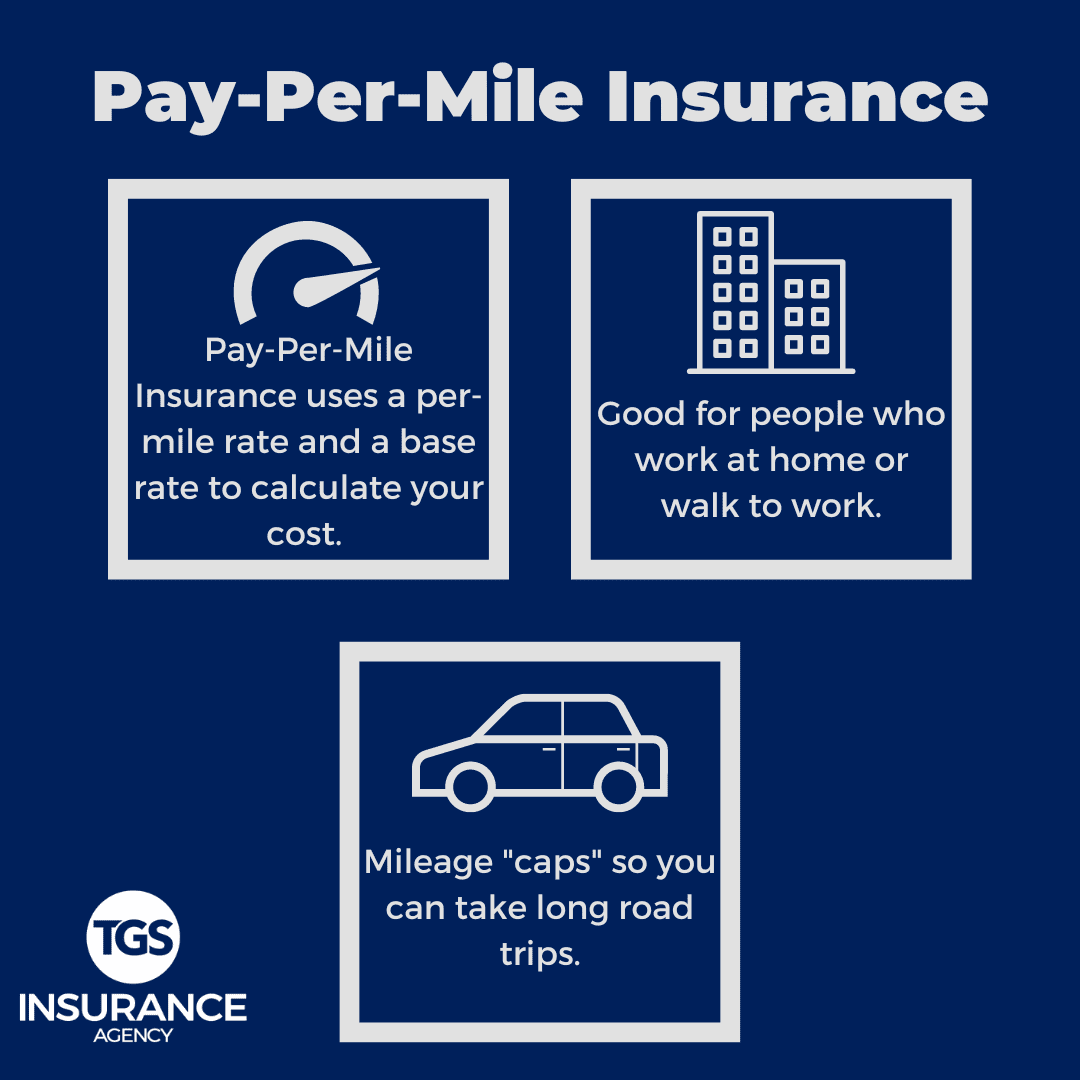
If you’re wondering what pay-per-mile auto insurance is all about, it’s basically a smarter way to pay for coverage based on how much you actually hit the road. Pay-per-mile auto insurance tracks your mileage through a simple device or app, charging you a base rate plus a per-mile fee, rather than a flat monthly premium. This means if you’re a low-mileage driver—like someone who only zips out for groceries or weekend adventures—you could pocket some serious savings. In a world where gas prices fluctuate and traffic feels endless, this option keeps things flexible and fair, almost like subscribing to a streaming service where you only pay for what you watch.
Why Pay-Per-Mile Makes Sense in Today’s Driving World
Picture this: you’re not commuting to an office anymore, or maybe you’ve got a hybrid setup that cuts down on trips. Traditional auto insurance doesn’t care about that; it lumps everyone into the same pot. But with pay-per-mile auto insurance, it’s like insurance finally caught up to real life. I remember reading about how, according to a recent survey by the Insurance Information Institute, about 30% of drivers log less than 10,000 miles a year—yet they pay as if they’re road warriors. That’s where the magic happens: lower mileage equals lower costs, and it’s a nod to eco-friendly habits too, since driving less means a smaller carbon footprint. It’s not just practical; it’s a little pat on the back for being mindful.
One of the coolest parts is how it blends technology with everyday driving. Companies use GPS trackers or odometer readings to monitor your miles, but don’t worry—it’s all anonymous and secure, like wearing a fitness tracker that only cares about your steps, not your secrets. This setup encourages safer driving habits because some plans even reward you for being cautious, turning insurance into a game where you level up by driving smart. If you’re into that digital vibe, think of it as your car’s version of a meme: “When you drive less, your wallet wins.” It’s a fun way to reframe something as mundane as premiums.
Common pitfalls in policy switchingHow to Get Rolling with Pay-Per-Mile Coverage
Alright, let’s break this down without making it feel like a chore. First off, check if you qualify—most providers look at factors like your driving history and the type of car you own. If you’re a safe driver with low annual mileage, you’re golden. Here’s a quick, relaxed step-by-step to get you started, because who wants a rigid list when we’re keeping things chill?
1Assess your driving habits: Track your miles for a month using an app or your car’s odometer. If it’s under 10,000 a year, pay-per-mile auto insurance might save you 20-40% compared to standard policies.
2Shop around: Compare providers like Metromile or Allstate’s usage-based plans. Look for quotes online—it’s as easy as scrolling through Netflix options.
3Install the tracker: Once you sign up, they’ll send a device to plug into your car or use their app. It’s straightforward, no tech wizardry required—just connect and go.
Benefits of no-claim bonuses explained4Monitor and adjust: Keep an eye on your usage through the provider’s dashboard. If your miles creep up, you can switch plans without hassle, keeping everything adaptable.
Weighing the Pros and Cons for Your Ride
To make this even more straightforward, let’s throw in a quick comparison table. It’s like lining up your favorite coffee shops to see which one fits your daily grind. On one side, you’ve got traditional auto insurance with its steady premiums, and on the other, the flexible pay-per-mile option. Here’s how they stack up:
| Feature | Traditional Auto Insurance | Pay-Per-Mile Auto Insurance |
|---|---|---|
| Cost Structure | Fixed monthly premium | Base fee + per-mile rate |
| Best For | High-mileage drivers | Low-mileage or occasional drivers |
| Potential Savings | Minimal for light drivers | Up to 40% for those under 10,000 miles/year |
| Tech Involvement | None | App or device for tracking |
As you can see, if your wheels don’t spin much, pay-per-mile auto insurance could be your new best friend. But remember, it’s not perfect—some folks worry about privacy with the tracking, though providers are upfront about data protection. Still, for many, the savings outweigh the minor inconveniences, especially in a culture where remote work and carpooling are becoming the norm, like that viral TikTok trend of “quiet quitting” your daily drive.
Is This the Right Fit? A Real Talk on Savings and Lifestyle
Pay-per-mile isn’t just about numbers; it’s about fitting into your life’s rhythm. Pay-per-mile auto insurance shines for city dwellers, retirees, or anyone whose car is more of a backup than a necessity. Think about it: if you’re like my neighbor who only fires up the engine for beach trips, why pay full price? This insurance type can lead to real financial relief, potentially slashing costs by hundreds annually. And emotionally, it’s a win—less worry about overpaying means more freedom to enjoy the open road when you do drive.
Myths surrounding gap insurance for carsDirectly addressing the core of it all: If you’re tired of shelling out for unused miles, pay-per-mile auto insurance offers a tailored solution that bases your premium on actual usage, helping low-mileage drivers cut expenses without skimping on coverage—potentially saving you 20-40% each year while promoting safer, greener habits. It’s a straightforward way to align your policy with your real-world driving, making insurance feel less like a burden and more like a smart choice.
Quick FAQ for the Curious Driver
Is pay-per-mile insurance available everywhere? It depends on your state, but it’s offered in most U.S. regions. Check with providers like Progressive or Esurance to confirm availability in your area.
Does it affect my driving record? Not directly, but some plans monitor habits for discounts, so safe driving could lower your rates even more.
Can I switch back to traditional insurance? Absolutely, most companies make it easy to change plans if your mileage increases, without any long-term commitments.
Solutions for imported vehicle coverageAs we wrap up this laid-back exploration, imagine glancing at your dashboard and feeling that quiet satisfaction of a bill that matches your reality. What if pay-per-mile auto insurance could free up some cash for that road trip you’ve been dreaming about? It’s worth a thought—your drive, your way.