
Ever had that sinking feeling when you drive off the lot in a shiny new car, only to realize the insurance world is full of twists and turns? Yeah, me too. I remember my buddy Jake, fresh from signing the papers on his first ride, brushing off this thing called gap insurance like it was just another sales pitch. “Who needs it?” he said, smirking over coffee. Fast forward a year, and a fender bender turned his world upside down. That’s the kind of story that makes you pause and think—maybe those myths about gap insurance for cars aren’t as straightforward as they seem. Let’s unpack this together in a laid-back way, no pressure, just real talk on why it’s worth your while.
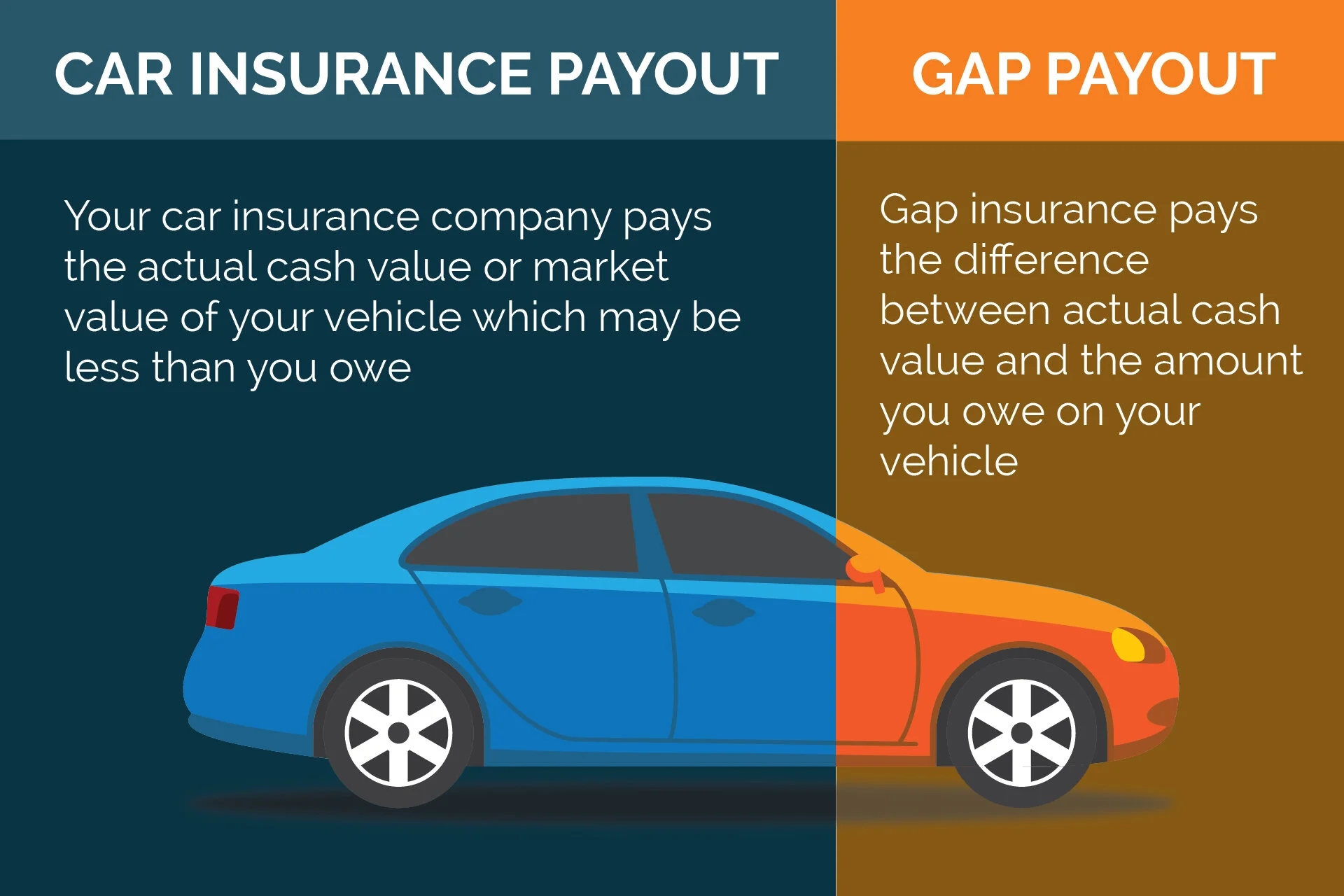
Picture this: you’re cruising down the road, music up, windows down, but underneath all that freedom, there’s the nitty-gritty of car loans and insurance. Gap insurance, short for “guaranteed asset protection,” steps in when your regular auto policy falls short. It’s like that safety net you didn’t know you needed until the moment hits. If your car gets totaled or stolen, and what you owe on the loan exceeds the actual cash value of your vehicle, gap insurance picks up the slack. It’s not flashy, but it’s practical, especially in those early years when cars depreciate faster than you can say “new tires.”
Now, here’s the heart of it: a lot of folks get tangled in myths that make gap insurance for cars seem unnecessary or overblown. One common one is that it’s only for brand-new vehicles. Sure, it’s popular with new cars because they lose value so quickly—think about how a $30,000 ride might be worth just $25,000 after a year—but what if you’re buying a certified pre-owned? Or even a lease? Gap can still be a lifesaver if you’re upside down on your loan. Is gap insurance worth it? Well, in many cases, yes, especially if you put little or nothing down upfront. It bridges that financial gap, literally, saving you from digging into your pocket for thousands.
Let’s dive deeper into these myths with a bit of that everyday wisdom. Myth number one: “Gap insurance is just a dealership scam to squeeze more money out of you.” Okay, I get the skepticism—dealers do push it hard—but that’s like saying your phone’s warranty is a rip-off until your screen cracks. In reality, gap coverage isn’t dealership-exclusive; you can often get it through your insurer at a competitive rate. Think about it: in 2022, data from the Insurance Information Institute showed that vehicle depreciation hits hard, with new cars losing up to 20% of their value in the first year alone. So, if you’re financing, this isn’t a scam; it’s a smart hedge against the unexpected, like that rogue deer or unexpected flood.
Solutions for imported vehicle coverageAnother myth floating around is that if you have comprehensive coverage, you’re already covered. Not quite. Your standard policy might cover the actual cash value of your car, but if you’ve got a loan, you’re on the hook for the full amount. Here’s a quick comparison to clear the air:
| Aspect | Standard Auto Insurance | Gap Insurance |
|---|---|---|
| Covers | Actual cash value of the vehicle | Difference between actual cash value and loan amount |
| Best for | Owners with equity in their car | Buyers with loans exceeding the car’s value |
| Cost | Included in policy | Typically $20-$50 extra per year |
As you can see, it’s not about replacing your main insurance; it’s about filling in the blanks. And speaking of blanks, let’s address the idea that gap is too expensive for what it offers. In a world where memes about “adulting” go viral on TikTok, we all know budgeting is a beast. But gap add-ons are often just a small bump in your premium—sometimes as low as $20 a year. Compare that to potentially owing $5,000 out of pocket if your car is written off. It’s like choosing between a cheap umbrella on a rainy day or getting soaked; one just makes more sense.
The Real Deal on When You Might Skip It
Sometimes, life throws you curves where gap isn’t necessary. If you’ve got a hefty down payment and your loan is less than the car’s value, you might be in the clear. Or if you’re driving an older model that’s fully paid off, skip it—no shame in that. But here’s a nugget of truth: in cultural hubs like LA or NYC, where traffic mishaps are as common as coffee runs, many drivers swear by it. I once heard a podcast story about a commuter who avoided bankruptcy thanks to gap after a chain-reaction pileup. It’s those real-life tales that cut through the noise.
Wrapping Up the Chatter on Car Insurance Myths
Alright, let’s circle back to why this matters. Gap insurance for cars isn’t some boogeyman myth; it’s a tool in your arsenal, especially in the wild ride of auto ownership. If you’re leasing or financing, give it a second glance—it could save you a headache down the road. And hey, next time you’re at the dealership, channel that inner detective and ask the right questions; you might just walk away feeling empowered.
Ideas for seasonal driver discountsAs for that burning question you might have: “Do I really need gap insurance?” Absolutely, if you’re protecting your finances from the depreciation dive—it’s that simple buffer between owing money and moving on. In about 50 words, it’s essential for new car buyers to avoid the shock of paying more than a totaled vehicle’s worth, ensuring you’re not left high and dry.
FAQs on Gap Insurance
Q1: How long do I need gap insurance? Typically, it’s for the length of your loan or lease, often up to a few years until your car’s value catches up.
Q2: Can I cancel gap insurance if I pay off my loan early? Yes, most policies allow cancellation without penalty, freeing up that extra cash once you’re in the clear.
Q3: Is gap insurance available for used cars? It can be, but check with your insurer—it’s more common for financed vehicles under a certain age and mileage.
Compare online vs agent-based insurance