
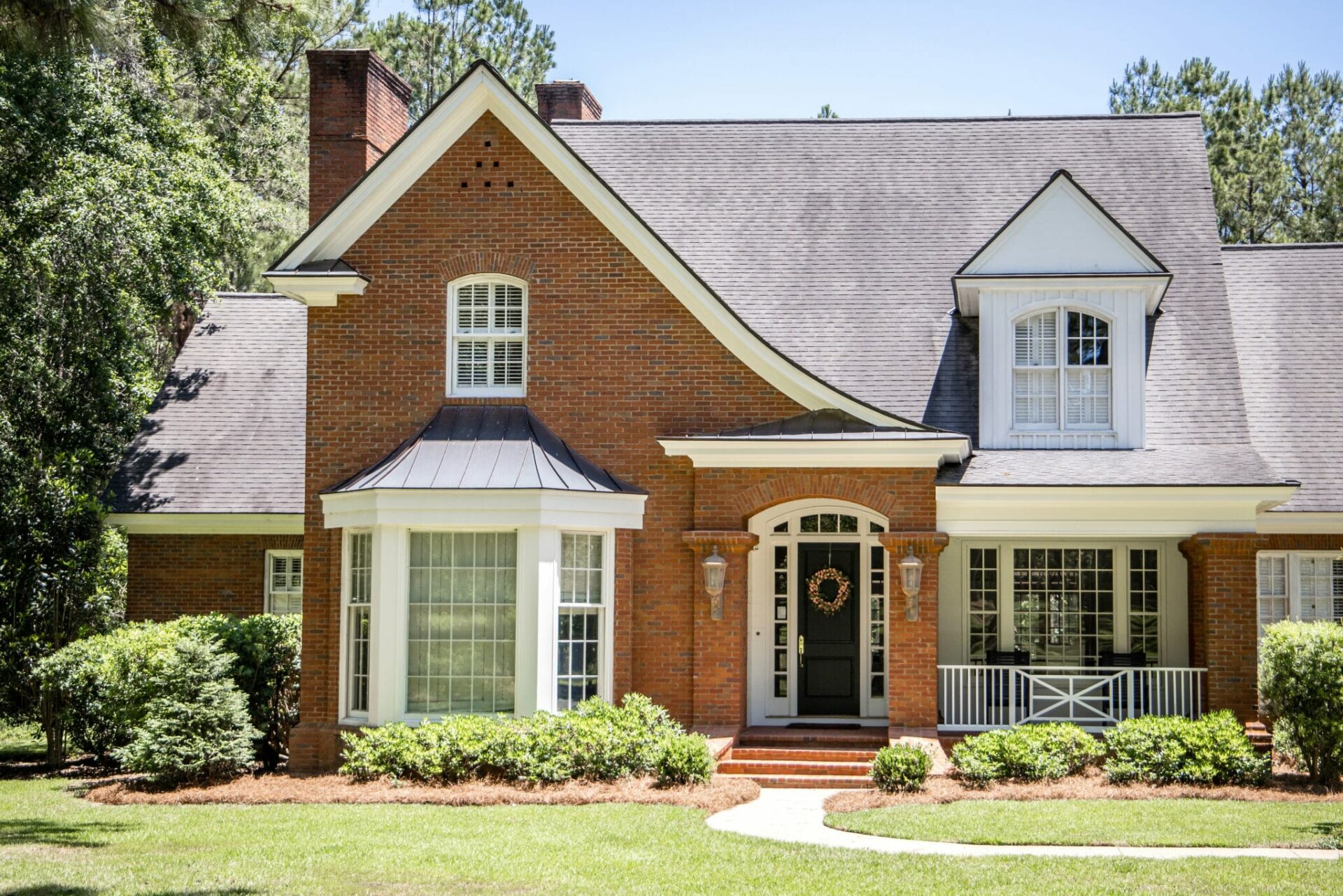
Picture this: I’m sitting on the creaky front porch of my grandparents’ old Victorian house, sipping coffee as the sun filters through the ancient oak trees. That place, with its faded paint and original wood floors, has seen more history than I have, but insuring it? That’s a whole other story. If you’re dealing with an older home like mine, you know the charm comes with challenges, especially when it comes to finding affordable ways to insure it without breaking the bank. Let’s chat about that, casually, like we’re neighbors swapping tips over the fence.
Affordable ways to insure older homes boil down to smart choices that balance cost and coverage, focusing on the unique risks of vintage properties. Older houses often face issues like outdated wiring or foundation problems, so insurers might charge more, but with a few tweaks, you can keep premiums low while staying protected. For instance, by bundling policies or opting for higher deductibles, many folks cut costs by 20-30%—it’s all about playing the long game without skimping on peace of mind.
Why Your Cozy Old House Demands Smarter Insurance Picks
Older homes aren’t just full of character; they’re packed with potential pitfalls that can send insurance rates soaring. Think about it: that leaky roof from the 1920s or the knob-and-tube wiring that makes electricians wince. From my own experience, when I helped my folks update their policy, we realized insurers see these as red flags for claims. But here’s the silver lining—by addressing these issues upfront, you can actually negotiate better deals. It’s like giving your house a spa day; it feels good and saves money in the end.
Statistically, homes built before 1940 are twice as likely to have structural concerns, according to industry reports, which is why tailoring your coverage is key. Don’t just grab the first quote; shop around with a relaxed mindset, comparing options that factor in renovations or safety upgrades. I remember chatting with a friend who turned his historic bungalow into a “fortress” with modern smoke detectors, and bam—his premiums dropped significantly. It’s those little wins that make insuring an older home feel less daunting and more doable.
What impacts home insurance eligibilityBudget-Friendly Tricks to Score Great Coverage
When it comes to keeping things affordable, think of it as a treasure hunt through insurance options. One clever move is to bundle your home insurance with auto or life policies; it’s like getting a buy-one-get-one deal at your favorite store. In my neck of the woods, folks have saved hundreds by doing this, especially for older properties that might otherwise rack up extra fees.
Another angle? Go for a higher deductible—it’s that upfront cost you pay before claims kick in. Sure, it sounds risky, but if your home is in good shape, it can slash your monthly payments. And don’t overlook discounts for being a safe homeowner; installing security systems or even storm shutters can unlock perks. I once heard a story about a guy in my town who, after adding smart home tech, got a 15% break from his provider. It’s amazing how a few modern touches can bridge the gap between old-school charm and modern affordability.
| Insurance Type | Pros for Older Homes | Cons | Estimated Savings |
|---|---|---|---|
| Standard HO-3 Policy | Covers most perils, easy to customize | Can be pricey for older structures | Up to 10% with discounts |
| HO-8 for Older Homes | Tailored for historic properties, focuses on actual cash value | Lower payouts for depreciation | 15-20% if you have updates |
| Bundled Packages | Combines with other insurance for multi-policy perks | May require shopping around | 25% or more on totals |
Comparing the Best Options Out There
Let’s dive into the providers who’ve got your back for those charming but quirky older homes. Companies like State Farm or Allstate often shine with flexible plans that don’t penalize you for a bit of age. From what I’ve seen, they offer online tools to estimate costs based on your home’s specifics, making it feel less like a chore and more like a helpful chat.
Then there’s the rise of digital-first insurers like Lemonade, which use apps to streamline everything—perfect for tech-savvy owners of vintage houses. A buddy of mine switched and loved how they factored in eco-friendly upgrades for extra savings. It’s all about finding that sweet spot where affordability meets reliability, without the endless paperwork that makes you want to nap.
Step-by-step for calculating home replacement costSimple Steps to Get Your Home Covered Without the Stress
1First off, assess your home’s condition honestly. Walk around, note any repairs needed, and use that info to approach insurers—it shows you’re proactive and can lead to lower quotes.
2Shop multiple quotes online or through agents; don’t settle for the first one. Compare not just price, but coverage details—think of it as dating, you want the right fit.
3Consider add-ons wisely, like flood or earthquake riders if your area needs them, but only if they won’t inflate costs unnecessarily. And always ask about loyalty discounts; it’s surprising how many are out there.
A Few Pitfalls to Dodge Along the Way
In the world of home insurance, it’s easy to trip over common mistakes, especially with older properties. One biggie is underestimating replacement costs—trust me, assuming your 100-year-old fixtures are worth peanuts can leave you shortchanged. Or skipping annual reviews; prices fluctuate, and so do your home’s needs. I recall a neighbor who overlooked this and ended up paying more after a storm—lesson learned the hard way.
Expert guidance on mold coverage in policiesBy steering clear of these, you’ll keep things smooth and affordable. It’s like maintaining that classic car in your garage; a little attention goes a long way to avoid bigger headaches down the road.
Frequently Asked Questions
What factors make insurance more expensive for older homes? Older homes often have outdated features that increase risk, like poor insulation or old plumbing, leading to higher premiums. But with upgrades, you can mitigate this and potentially lower costs.
Can I get discounts for making my home safer? Absolutely! Many insurers offer reductions for installing security systems, smoke alarms, or even energy-efficient windows, which not only save on insurance but also on daily bills.
Is it worth insuring an older home at all? Definitely, especially if it’s your biggest asset. Affordable options exist that protect your investment without overwhelming your budget, giving you that well-deserved peace of mind.
Ways to protect valuables with home ridersAs we wrap up this laid-back tour of insuring older homes, imagine unlocking that front door knowing you’re covered—just think about the stories your house could tell if it could chat back. What if you started by checking just one quote today? It might be the nudge your wallet needs.