
Picture this: you’re finally settling into your cozy home after a long day, only to spot that fuzzy, unwelcome guest creeping up your bathroom walls. Yeah, mold—it’s like that uninvited party crasher that shows up when the humidity’s high and your ventilation’s playing hooky. As someone who’s navigated the maze of home insurance, I’ve seen how mold can turn from a minor annoyance into a major headache, especially when it comes to coverage. Today, we’re diving into expert guidance on mold coverage in policies, keeping things light and straightforward, because let’s face it, dealing with insurance doesn’t have to feel like decoding ancient hieroglyphics.
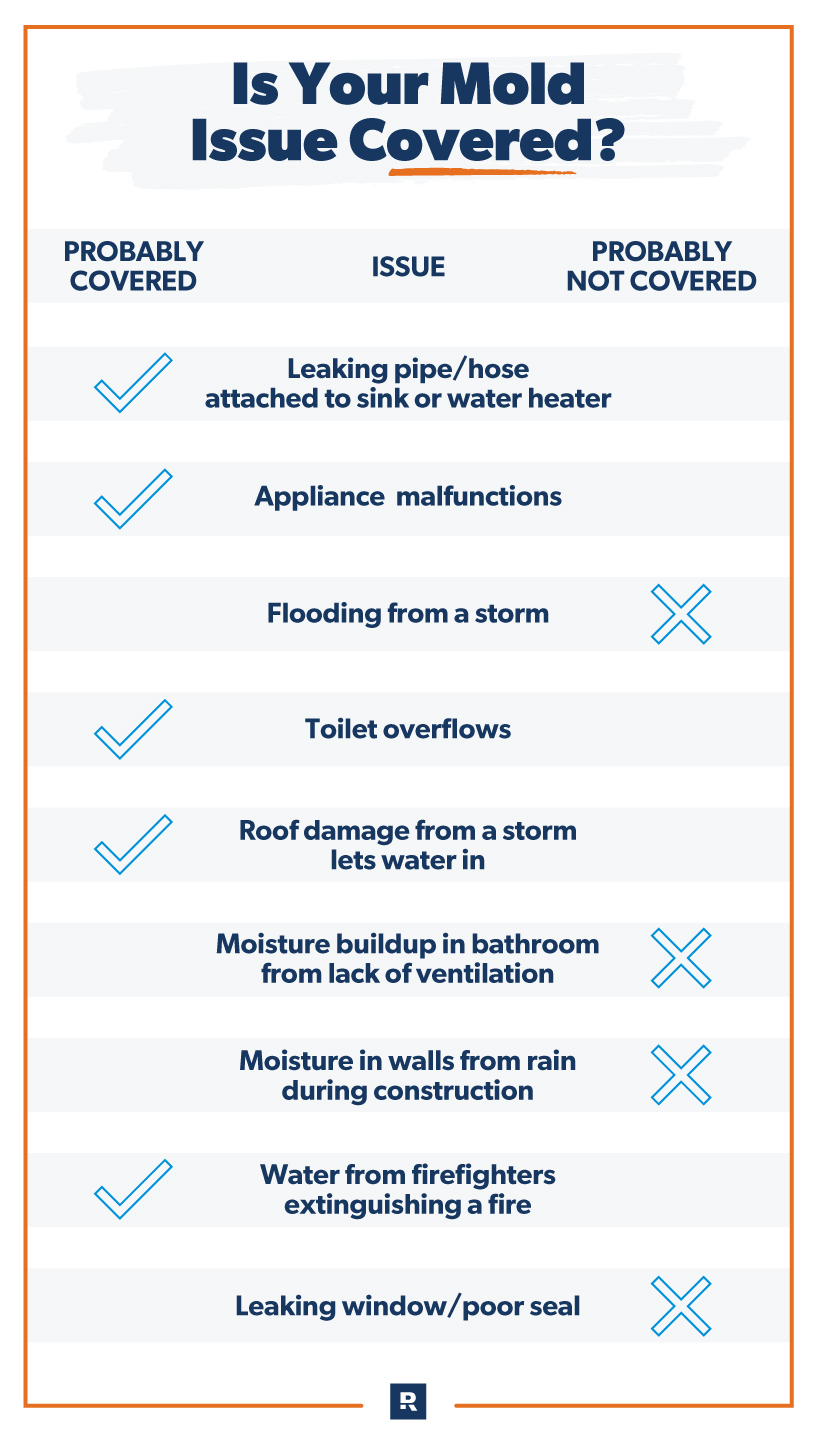
If you’re wondering, does home insurance cover mold? The short answer is, it depends, but most policies do offer some protection against mold damage if it’s tied to a covered peril like a burst pipe or roof leak. In essence, mold isn’t usually covered on its own because it’s often seen as a maintenance issue, but when it’s the result of something more sinister, your policy might step in to save the day. This means understanding the nuances can make all the difference in avoiding out-of-pocket surprises. For instance, I once helped a friend whose basement flooded from a storm, leading to mold growth; with the right policy, we turned that disaster into a manageable claim.
The Basics of Mold and Its Role in Home Insurance
Mold is that sneaky fungus that thrives in damp, dark spots, and it’s more common in homes than you might think—especially in humid climates or older houses with poor airflow. From a home insurance perspective, mold coverage in policies isn’t always straightforward because insurers view it as potentially preventable. Imagine mold as a weed in your garden; if you neglect to pull it, your insurance might not cover the overgrowth. But if a storm floods your yard and invites those weeds, well, that’s a different story.
In my experience, standard homeowners’ policies often exclude mold unless it’s secondary to a covered event, like water damage from a storm or a plumbing failure. This is where things get interesting—policies might include add-ons or riders for mold remediation, but they’re not universal. A quick chat with your agent can reveal if your plan has limitations, and it’s worth noting that in places like Florida or Louisiana, where mold is practically a local celebrity, regulations might influence coverage options. To keep it real, think of mold coverage as that reliable sidekick; it’s there when the main hero (like a covered peril) needs backup.
Ways to protect valuables with home ridersHow Policies Handle Mold Coverage: The Nitty-Gritty
When it comes to home insurance mold specifics, policies typically break down into categories like actual cash value or replacement cost, and mold might fall under additional living expenses if it makes your home uninhabitable. For example, if mold forces you out while repairs happen, some policies cover hotel stays or temporary housing—now that’s a silver lining. I remember reading about a family in the Midwest whose HVAC system malfunctioned, leading to widespread mold; their policy covered the cleanup because it was linked to a mechanical failure, turning a stressful situation into a lesson on policy perks.
To add some variety, let’s compare how different insurers approach this. Here’s a simple table to break it down without overwhelming you:
| Insurer | Standard Mold Coverage | Additional Options |
|---|---|---|
| State Farm | Covered if from a peril like water damage | Riders for mold remediation up to $10,000 |
| Allstate | Excludes mold unless specified | Water backup endorsement that may include mold |
| Progressive | Limited to perils; often requires proof | Optional mold protection for homes in high-risk areas |
This isn’t exhaustive, but it shows how mold damage policy can vary, emphasizing the need to shop around or tweak your current setup. And hey, in the spirit of pop culture, think of it like choosing the right superhero alliance—sometimes you need extra powers for the villains like mold.
Factors That Influence Your Mold Coverage
Alright, let’s get a bit deeper without losing that relaxed vibe. Several factors can make or break your insurance policy for mold, starting with your home’s age and condition. Older homes might have more exclusions due to wear and tear, while newer builds could have better safeguards. Location plays a huge role too; if you’re in a flood-prone area, you might need separate flood insurance that could tie into mold issues.
Key considerations for insuring a mobile homeAnother angle is prevention—insurers love it when you’re proactive. Regular inspections and maintenance can strengthen your case for claims, almost like building a moat around your castle. I once heard a story from a neighbor who installed dehumidifiers after a mild mold scare; when a real issue hit, their claim went smoother because they had records of their efforts. It’s these little wins that make navigating home insurance feel less daunting and more empowering.
Practical Tips for Handling Mold Claims
If mold rears its ugly head, don’t panic—take a breath and document everything. Start by contacting a professional for assessment, as DIY might worsen things. When filing a claim, provide photos, receipts, and details of the cause to link it to a covered event. Pro tip: Keep your policy handy and chat with your agent early; it’s like having a trusted guide in a video game level.
Wrapping up the advice, always review your policy annually, especially if you’ve made home improvements. This ensures mold coverage in policies aligns with your needs, turning potential pitfalls into protected zones.
FAQs on Mold in Home Insurance
Q: Is mold always excluded from home insurance? Not entirely—it’s often covered if it’s due to a covered peril like a leak, but pure preventive maintenance issues might not qualify. Check your policy details to avoid surprises.
Ideas for seasonal home insurance adjustmentsQ: How can I improve my chances of getting mold coverage? Opt for endorsements or riders specifically for mold, and maintain your home to show insurers you’re proactive. Regular checks can make a big difference in claim approvals.
As we wrap this up, have you ever stopped to think about how a simple policy tweak could safeguard your sanctuary? It’s worth exploring, don’t you think? Dive into your home insurance options today and breathe easier knowing you’re covered.