
Ever had that moment when you glance at your health insurance statement and feel like it’s speaking a foreign language? I remember chatting with my neighbor, Tom, who was grumbling over his coffee about his high-deductible plan. He said it felt like trying to swim in a pool without knowing how deep it goes—exciting at first, but then you hit the cold water hard. It’s a relatable story, right? In the world of health insurance, high-deductible plans are like that pool: they promise lower premiums but come with a hefty price tag when you actually need care. Today, we’re diving into practical solutions for high-deductible plans, making it all feel a bit less overwhelming and more manageable. Let’s break it down in a way that’s as easy as a weekend stroll.
High-deductible plans can be a smart choice if you’re healthy and want to save on monthly costs, but they often leave you covering a lot upfront before insurance kicks in. For context, these plans typically require you to pay thousands before benefits start, which can sting if unexpected medical bills pile up. The key is turning this setup into an ally rather than an adversary. Think of it as building a safety net with clever tools and habits—something I’ve seen folks do successfully, turning potential financial stress into a non-issue.
Understanding the Basics of High-Deductible Health Plans
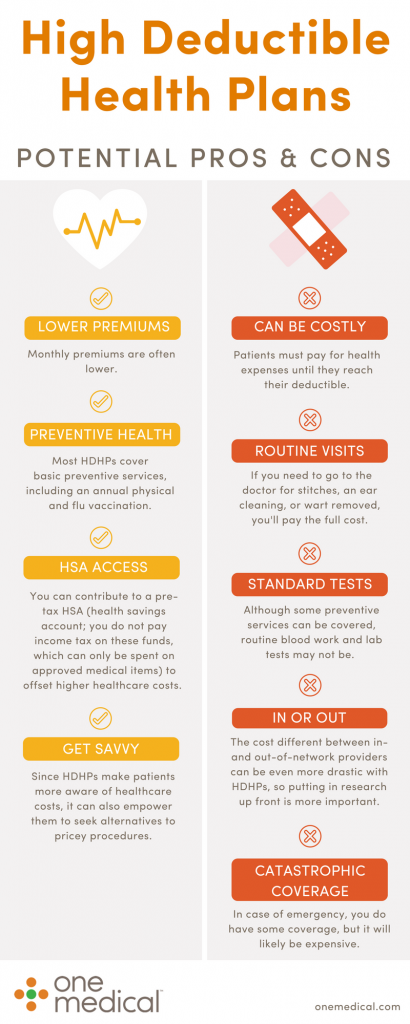
Let’s start with the fundamentals because, honestly, who wants to tackle solutions without knowing what we’re dealing with? A high-deductible health plan (HDHP) is essentially a health insurance policy where you agree to a higher deductible in exchange for lower premiums. It’s like choosing a budget car over a luxury one—you save on the upfront cost, but you’ve got to handle more repairs yourself. According to recent trends, about 29% of Americans are enrolled in these plans, drawn by the potential tax advantages, especially when paired with a Health Savings Account (HSA).
This setup isn’t just about pinching pennies; it’s about empowerment. Imagine having more control over your healthcare dollars, deciding where and how to spend them wisely. But here’s the catch: without a plan, that high deductible can feel like a mountain. That’s where the real magic happens—with the right strategies, you can climb it without breaking a sweat. For instance, if you’re like my friend Sarah, who juggles freelance work and family, learning about HSAs changed the game for her, turning what seemed like a burden into a financial boost.
Navigating enrollment periods effectivelyCommon Challenges and Why They Feel So Daunting
Nobody likes surprises, especially when they come with a price tag. High-deductible plans often mean facing steep out-of-pocket expenses right off the bat, which can lead to delayed care or added stress. I once heard a story on a podcast about a young couple who avoided the doctor for months because of their deductible, only to face bigger issues later. It’s a cultural nod to how we all sometimes put off the inevitable, like ignoring that weird noise in the car until it breaks down.
Other hurdles include navigating the maze of covered versus non-covered services and dealing with the mental load of budgeting for health. In a relaxed vibe, think of it as planning a road trip: you need to map out the costs to enjoy the journey. This is where solutions for high-deductible plans shine, offering ways to mitigate risks and make healthcare feel less like a chore and more like a well-prepared adventure.
Practical Solutions to Make High-Deductible Plans Work for You
Alright, let’s get to the good stuff. One of the best solutions for high-deductible health plans is leveraging a Health Savings Account (HSA). These accounts let you set aside pre-tax money for medical expenses, growing tax-free like a personal health fund. Picture it as your own mini bank for doctor’s visits or prescriptions—contributions reduce your taxable income, and withdrawals for qualified expenses don’t get taxed. If you’re eligible, maxing out your HSA contributions (up to $4,150 for individuals in 2023) can be a game-changer, especially if you invest the funds for long-term growth.
Another angle is building a robust emergency fund specifically for healthcare. Start small, like stashing away a bit from each paycheck, and watch it build. Tools like budgeting apps can make this fun, almost like a digital game where you’re the hero saving the day. Additionally, shopping around for providers who offer transparent pricing or negotiating bills directly can cut costs—yes, you can haggle on medical bills, just like at a flea market. And don’t overlook preventive care; many plans cover annual check-ups at 100%, so take advantage to catch issues early and avoid bigger expenses later.
Key factors in insurer selectionHere’s a quick comparison to put things in perspective:
| Feature | High-Deductible Plan | With HSA Solution |
|---|---|---|
| Premiums | Lower monthly costs | Even more savings through tax benefits |
| Deductible Amount | $1,400+ for individuals | Offset by tax-free savings |
| Out-of-Pocket Max | Up to $7,500 | Reduced effective cost with strategic use |
| Benefits | Potential for growth | Tax advantages and flexibility |
This table shows how pairing your plan with an HSA can transform challenges into opportunities, making high-deductible plans feel less intimidating.
Tips for Long-Term Management and Peace of Mind
Beyond the basics, maintaining a high-deductible plan involves some ongoing habits. For example, stay informed about your plan’s network—using in-network providers can save you a bundle. I like to think of it as picking the right path in a choose-your-own-adventure book; the choices you make now affect the outcome. Also, consider telemedicine options, which are often cheaper and covered under these plans, bringing healthcare right to your couch.
From a cultural angle, with memes about adulting everywhere on social media, it’s easy to relate high-deductible plans to that viral post about budgeting woes. But by adopting a proactive mindset, you can turn it into a win. Track your expenses religiously, perhaps with a simple spreadsheet or app, and review your policy annually to ensure it still fits your life.
Pros and cons of HMO optionsResponding to the Core Question
Managing high-deductible health plans effectively involves using tools like HSAs for tax-free savings, budgeting wisely for out-of-pocket costs, and prioritizing preventive care to avoid surprises. By doing so, you can reduce financial strain and make these plans work in your favor, ensuring you’re prepared without constant worry—about 40-50 words of direct advice to help you navigate this common insurance hurdle.
FAQs on High-Deductible Plans
What qualifies someone for an HSA with a high-deductible plan? You’re eligible if your plan meets the IRS criteria, like having a deductible of at least $1,500 for individuals. It’s a great way to save, but remember, you can’t have other health coverage that duplicates benefits.
Are high-deductible plans suitable for families? Absolutely, especially if you’re generally healthy and want lower premiums. The key is planning for potential costs and using family HSAs to cover everyone, turning it into a shared financial strategy.
How can I lower my overall healthcare costs with this plan? Focus on generic drugs, wellness programs, and price transparency tools. Many find that preventive measures and smart choices cut expenses by 20-30%, making the plan more affordable long-term.
Affordable coverage for small businessesAs we wrap up this chat, think about this: What’s one small step you’ll take today to tame that deductible beast? Whether it’s opening an HSA or just reviewing your budget, you’ve got this—health insurance doesn’t have to be a headache when you approach it with a relaxed, informed mindset.