
Ever had that moment when you’re flipping through your health insurance options and PPO pops up like an old friend waving from across the room? Yeah, me too. I remember when I first switched to a PPO network after years of dealing with rigid plans—it felt like finally getting the keys to a convertible on a sunny day. But, as with any relationship, it’s not all smooth sails. Today, we’re chatting about the pros and cons of PPO networks in the world of health insurance, keeping things light and real, because who needs more stress when we’re already navigating doctor visits and deductibles?
PPO networks offer a flexible approach to medical insurance, letting you see doctors both in and out of their preferred list without needing a referral every time. In a nutshell, it’s like having a VIP pass to healthcare that doesn’t lock you into one group of providers. But before you jump in, let’s break it down simply, because understanding this can save you headaches down the road.
Alright, if you’re wondering, “What are the ups and downs of PPO networks anyway?”—here’s a straight answer in about 50 words: PPO plans shine with their freedom to choose any doctor, often at lower costs in-network, but they can hit your wallet hard with higher premiums and out-of-pocket expenses if you go outside the network. It’s all about balance in your health insurance journey.
Decoding PPO: What Exactly Is This Network All About?
Imagine PPO as that flexible buddy who lets you pick your adventures without too many rules. In health insurance terms, a Preferred Provider Organization is a type of plan where you get better rates from a network of doctors and hospitals, but you’re not chained to them. Unlike stricter plans, you can visit specialists or out-of-state docs without jumping through referral hoops. I once had a cousin who traveled a lot for work and swore by his PPO because it covered his random ER visits without drama. It’s a setup designed to give you options, which is pretty appealing in our fast-paced world where life doesn’t always stick to a schedule.
Affordable options for freelancersFrom a cultural angle, think about how memes on social media poke fun at insurance woes—PPO often gets a nod for being the “chill” option amid the chaos. But don’t just take my word; according to recent health reports, about 40% of Americans are on some form of PPO, making it a popular pick for its blend of freedom and coverage. Still, it’s not perfect, and that’s where the trade-offs come in.
The Perks: Why PPO Might Be Your New Best Friend
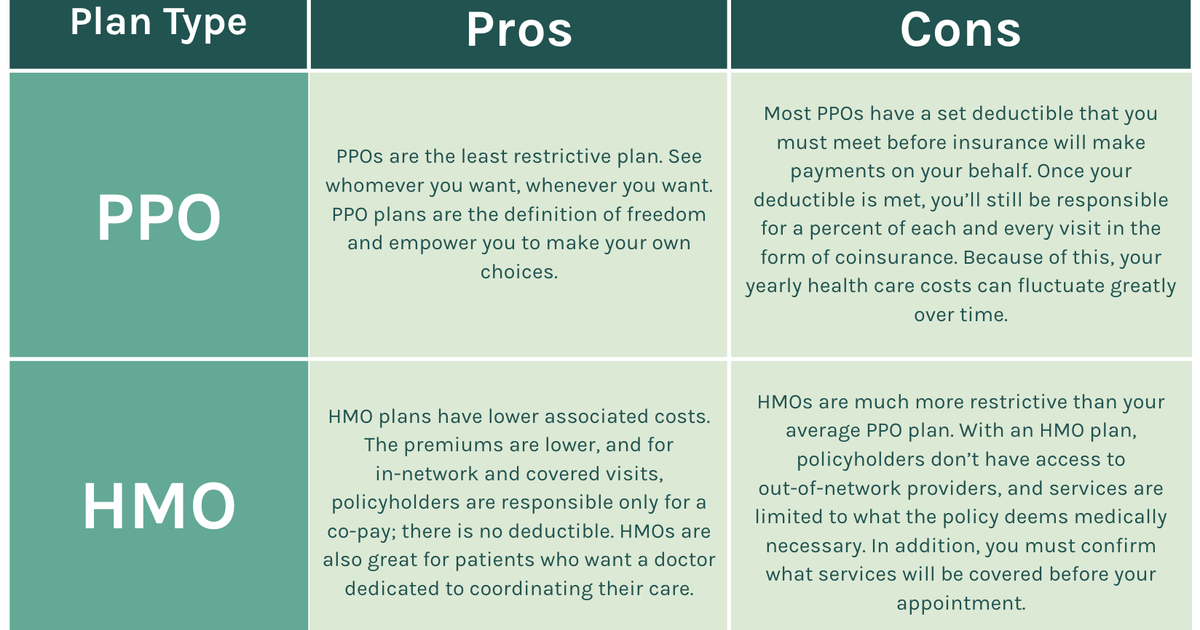
Let’s kick off with the good stuff, because who doesn’t love starting on a high note? One major pro of PPO networks is the flexibility in provider choice. You can see any doctor you want, in-network or out, without needing permission. It’s like having a choose-your-own-adventure book for your health care. For instance, if you’re dealing with a specialist across town, you won’t have to worry about approvals—just go and get the care you need.
Another win is the potential for lower costs when you stick with in-network providers. These docs have negotiated rates with your insurer, so your copays and coinsurance might feel less like a punch to the gut. Plus, PPOs often cover a wide range of preventive services, which can help catch issues early—think annual check-ups or screenings that keep you healthy without breaking the bank. I recall a friend who avoided a major health scare thanks to her PPO’s generous wellness benefits; it made me appreciate how these plans can be a safety net in everyday life.
Oh, and let’s not forget the nationwide coverage many PPOs offer. If you’re a road-tripper or just someone who moves around, this is a game-changer. No more stressing about whether your plan works in another state—it’s built for mobility, which feels reassuring in our ever-connected world.
Impact of lifestyle on ratesThe Drawbacks: When PPO Isn’t All Sunshine and Rainbows
Now, flip the coin, and you’ll see why PPO isn’t everyone’s cup of tea. The biggest con? Those higher costs. Premiums for PPO plans are often steeper than other options like HMOs, and if you venture out-of-network, your expenses can skyrocket. We’re talking deductibles that might make you do a double-take, plus coinsurance that adds up quickly. It’s like ordering the fancy meal at a restaurant—tastes great, but ouch on the bill.
Then there’s the potential for overutilization. With all that freedom, it’s easy to rack up visits or tests that aren’t strictly necessary, leading to higher overall spending. I once heard a story from a colleague who ended up with a pile of medical bills because he didn’t realize how much more he’d pay outside the network—it’s a common pitfall that can turn a relaxed plan into a financial headache. Additionally, PPOs might not emphasize preventive care as much as other plans, so you have to be proactive about your health to get the most out of it.
| Feature | PPO Networks | HMO (For Comparison) |
|---|---|---|
| Provider Choice | Any doctor, in or out of network | Mostly in-network, requires referrals |
| Cost Structure | Higher premiums, potential out-of-pocket spikes | Lower premiums, but limited options |
| Flexibility | High, great for travel | Lower, more structured |
| Best For | Those who value choice over cost | Budget-conscious folks with routine needs |
A Quick Dive into Real-World Scenarios
In everyday life, PPO’s pros and cons play out like a sitcom episode. Say you’re planning a family vacation and one kid gets sick—PPO lets you hit the local clinic without hassle. But if you’re on a tight budget, those extra fees might have you rethinking your choices. It’s all about your lifestyle; for some, the freedom is worth the price tag, while others prefer the simplicity of less flexible plans.
Wrapping Up the Chat: Is PPO Right for You?
As we ease out of this discussion, picture yourself at a crossroads with your health insurance decisions—PPO could be the path that opens up possibilities, or it might just add unnecessary bumps. Either way, it’s about finding what fits your story. Maybe you’ll chat with your insurer or reflect on your health habits; who knows, this might spark that next step.
Best practices for policy reviewsFAQ: Quick Answers to Common Questions
What does PPO stand for in health insurance? PPO means Preferred Provider Organization, a type of plan that gives you more freedom to choose doctors while offering lower costs for in-network providers—it’s all about options without the strings.
How does PPO compare to other insurance types? Unlike HMOs, which require referrals and stick to a network, PPOs let you go anywhere but at a higher cost outside that network, making them ideal if you prioritize flexibility over savings.
Can PPO plans cover mental health services? Absolutely, most PPO networks include mental health coverage, often with the same flexibility, so you can seek therapists in or out of network—just check your specific policy details.
Understanding claims processing steps