
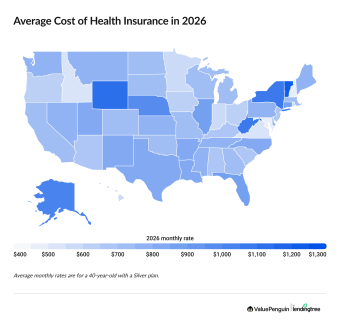
Health insurance costs are rising again in 2026, leaving many Americans wondering how much coverage will actually cost each month. The answer depends on several factors, including your age, location, plan type, family size, income, and whether you qualify for government subsidies.
In 2026, health insurance premiums have increased significantly compared to previous years, largely due to higher healthcare expenses, inflation, and changes in federal subsidy programs. For some households, monthly premiums remain relatively affordable thanks to tax credits, while others are seeing substantial increases in out-of-pocket costs.
This guide breaks down average health insurance costs in 2026 and explains what affects your monthly premium.
Average Health Insurance Cost Per Month in 2026
For an individual purchasing coverage through the Affordable Care Act (ACA) Marketplace, the average monthly premium for a Silver plan is approximately $752 per month in 2026 before subsidies.
Best Car Insurance Companies for High-Risk DriversHowever, many Americans pay less because premium tax credits reduce monthly costs.
According to CMS, eligible Marketplace enrollees may pay as little as $50 per month for the lowest-cost plans after subsidies, although costs vary widely based on income and location.
Average Monthly Costs by Coverage Type
| Coverage Type | Average Monthly Cost |
|---|---|
| Individual Marketplace Plan | $687–$752 |
| Employer-Sponsored Individual Plan | $560–$777 |
| Family Marketplace Plan | $1,400–$2,200+ |
| Employer Family Coverage | $2,249 |
| Subsidized ACA Coverage | $50–$178 |
These averages vary significantly depending on where you live and which plan tier you choose.
Why Health Insurance Costs Increased in 2026
Health insurance premiums jumped sharply in 2026.
Cheapest Auto Insurance Rates by State: Complete 2026 GuideSeveral industry reports estimate Marketplace premiums increased between 20% and 26% nationwide, making 2026 one of the largest premium increase years since the Affordable Care Act was implemented.
Major reasons include:
- Rising healthcare provider costs
- Increased prescription drug spending
- Inflation and labor shortages
- Higher utilization of medical services
- Changes to premium tax credit programs
Many insurers cited escalating healthcare costs as the primary reason for rate increases.
Health Insurance Costs by Age in 2026
Age is one of the biggest factors affecting health insurance premiums.
How to Compare Online Insurance Quotes and Find the Lowest PremiumOlder adults typically pay higher premiums because insurers expect higher healthcare usage.
Average Monthly Premiums by Age
| Age | Average Monthly Premium |
|---|---|
| 20 | $571 |
| 25 | $591 |
| 30 | $668 |
| 35 | $719 |
| 40 | $752 |
| 45 | $850 |
| 50 | $1,052 |
| 60 | $1,598 |
| 64 | $1,700+ |
ACA regulations limit how much insurers can charge older adults, but a 60-year-old may still pay more than twice what a younger adult pays.
Health Insurance Costs by Plan Tier
Marketplace plans are divided into metal tiers.
Each tier balances monthly premiums against deductibles and out-of-pocket costs.
Best Homeowners Insurance Companies for First-Time Buyers in 2026Bronze Plans
- Lowest monthly premiums
- Highest deductibles
- Best for healthy individuals
Average monthly cost:
- Often $450–$650 depending on location
Silver Plans
- Moderate premiums
- Moderate deductibles
- Most popular Marketplace option
Average monthly cost:
- Around $752 nationally
Gold Plans
- Higher premiums
- Lower out-of-pocket expenses
Average monthly cost:
- Often $800–$1,000+
Platinum Plans
- Highest premiums
- Lowest deductibles
Typically best for individuals with significant medical needs.
Health Insurance Costs for Families
Family coverage is substantially more expensive than individual coverage.
Recent estimates show:
| Family Size | Average Monthly Premium |
|---|---|
| Single Adult | $477–$752 |
| Couple | $715–$1,500 |
| Family of 3 | $1,802 |
| Family of 4 | $2,230 |
Family plans often cost less than purchasing multiple separate policies for each household member.
Employer Health Insurance Costs in 2026
Many Americans receive coverage through their employer.
Although total premiums are high, employers typically cover most of the cost.
Average employer-sponsored premiums:
| Coverage Type | Total Premium | Employee Share |
|---|---|---|
| Individual Coverage | $777 | About $124 |
| Family Coverage | $2,249 | About $585 |
Employer-sponsored insurance generally remains cheaper than purchasing private Marketplace coverage without subsidies.
Health Insurance Costs by State
Where you live significantly affects your premium.
For example:
| State | Average Silver Plan Cost |
|---|---|
| Vermont | $1,224 |
| National Average | $752 |
| Some Lower-Cost States | Under $600 |
Premium differences result from:
- Local healthcare costs
- Competition among insurers
- State regulations
- Population health trends
Some states have dramatically higher costs than others.
Hidden Health Insurance Costs Beyond Premiums
Monthly premiums are only one part of the total cost.
You should also consider:
Deductibles
The amount you pay before insurance begins covering services.
Many Bronze plans now have deductibles exceeding several thousand dollars annually.
Copayments
Fixed amounts paid for services such as:
- Doctor visits
- Specialist appointments
- Prescription drugs
Coinsurance
A percentage of healthcare costs paid after meeting your deductible.
Out-of-Pocket Maximum
The maximum amount you’ll pay during a policy year before insurance covers 100% of eligible expenses.
In 2026, some family plans can expose households to very large out-of-pocket costs despite having insurance coverage.
How Subsidies Reduce Health Insurance Costs
Premium tax credits remain one of the most important tools for reducing Marketplace costs.
Depending on your income:
- Subsidies may reduce premiums by hundreds of dollars monthly
- Some low-income households qualify for very low premiums
- Cost-sharing reductions may lower deductibles
For example, a 60-year-old who might otherwise pay more than $800 per month could see premiums reduced dramatically through subsidies.
How to Lower Your Monthly Health Insurance Costs
If premiums feel too expensive, consider these strategies:
Compare Multiple Plans
Insurers price plans differently even within the same state.
Check Subsidy Eligibility
Many households underestimate available tax credits.
Consider an HSA-Eligible Plan
High-deductible health plans often have lower premiums and allow tax-advantaged Health Savings Account contributions.
Use Employer Coverage If Available
Employer-sponsored plans frequently offer lower net costs.
Review Coverage Annually
Premiums and plan benefits change every year.
Frequently Asked Questions
What Is the Average Cost of Health Insurance Per Month in 2026?
The average Marketplace Silver plan costs approximately $752 per month before subsidies.
Why Did Health Insurance Premiums Increase So Much in 2026?
Premiums increased due to rising healthcare costs, inflation, prescription drug expenses, and changes affecting federal subsidies.
How Much Does Health Insurance Cost for a Family of Four?
The average cost is roughly $2,230 per month, although subsidies and employer contributions can reduce actual costs.
How Much Does Health Insurance Cost at Age 60?
The average full-price Marketplace premium for a 60-year-old is approximately $1,598 per month, though subsidies can significantly lower that amount.
Is Employer Health Insurance Cheaper?
In most cases, yes. Employers typically pay a large portion of the premium, making employee costs substantially lower than individual Marketplace plans.
Final Thoughts
Health insurance costs in 2026 are higher than many Americans expected, with average Marketplace premiums rising sharply across much of the country. While the national average for a Silver plan now sits around $752 per month, actual costs vary widely depending on age, family size, location, and subsidy eligibility.
Before choosing a policy, compare multiple plans, review total out-of-pocket expenses—not just premiums—and check whether you qualify for tax credits. A lower monthly premium may seem attractive, but deductibles and coverage levels can significantly impact your total healthcare costs throughout the year.