
Picture this: My golden retriever, Max, once decided that chasing squirrels meant leaping over fences like a furry superhero. One bad landing later, and we were at the vet’s office staring at a hefty bill for a sprained paw. That’s when I first dove into the world of pet insurance, realizing it’s not just a safety net—it’s peace of mind wrapped in a bow. If you’re like me, a pet parent who’s ever panicked over unexpected vet costs, exploring pet insurance coverage types can feel like unlocking a treasure chest of options tailored for your four-legged family member.
Let’s keep it real—pet insurance isn’t about fancy jargon or overwhelming choices; it’s about protecting the ones who greet you with wagging tails and purrs. At its core, pet insurance coverage types are designed to cover everything from surprise accidents to ongoing health needs, helping you avoid that sinking feeling when bills pile up. In a nutshell, these policies act as a buffer between your wallet and the unpredictable world of pet health, and I’ll walk you through the main ones with the same laid-back vibe you’d chat about over coffee.
Diving into the Basics of Pet Insurance
Ever wonder why pet insurance has become as common as your dog’s favorite chew toy? It’s simple: our pets are family, and just like us, they can face health hiccups that hit hard financially. Pet insurance typically kicks in to cover veterinary expenses, but not all plans are created equal. The foundational types revolve around what they protect against—accidents, illnesses, or a mix of both. Think of it as choosing between a basic umbrella for a light rain or a full raincoat for a storm. For instance, if your cat is more of a couch potato, you might lean towards coverage that emphasizes preventive care.
One thing that surprised me when I was researching for Max was how these policies often include add-ons like wellness exams or even behavioral therapy. It’s not just about fixing broken bones; it’s about keeping your pet happy and healthy long-term. And here’s a fun fact tied to pop culture: remember that viral video of the cat who survived a fall from a building? Stories like that highlight why accident coverage is a must for adventurous pets, drawing from real-life scenarios that make you chuckle and nod in agreement.
Pet insurance versus self-pay optionsThe Key Types of Coverage You Should Know
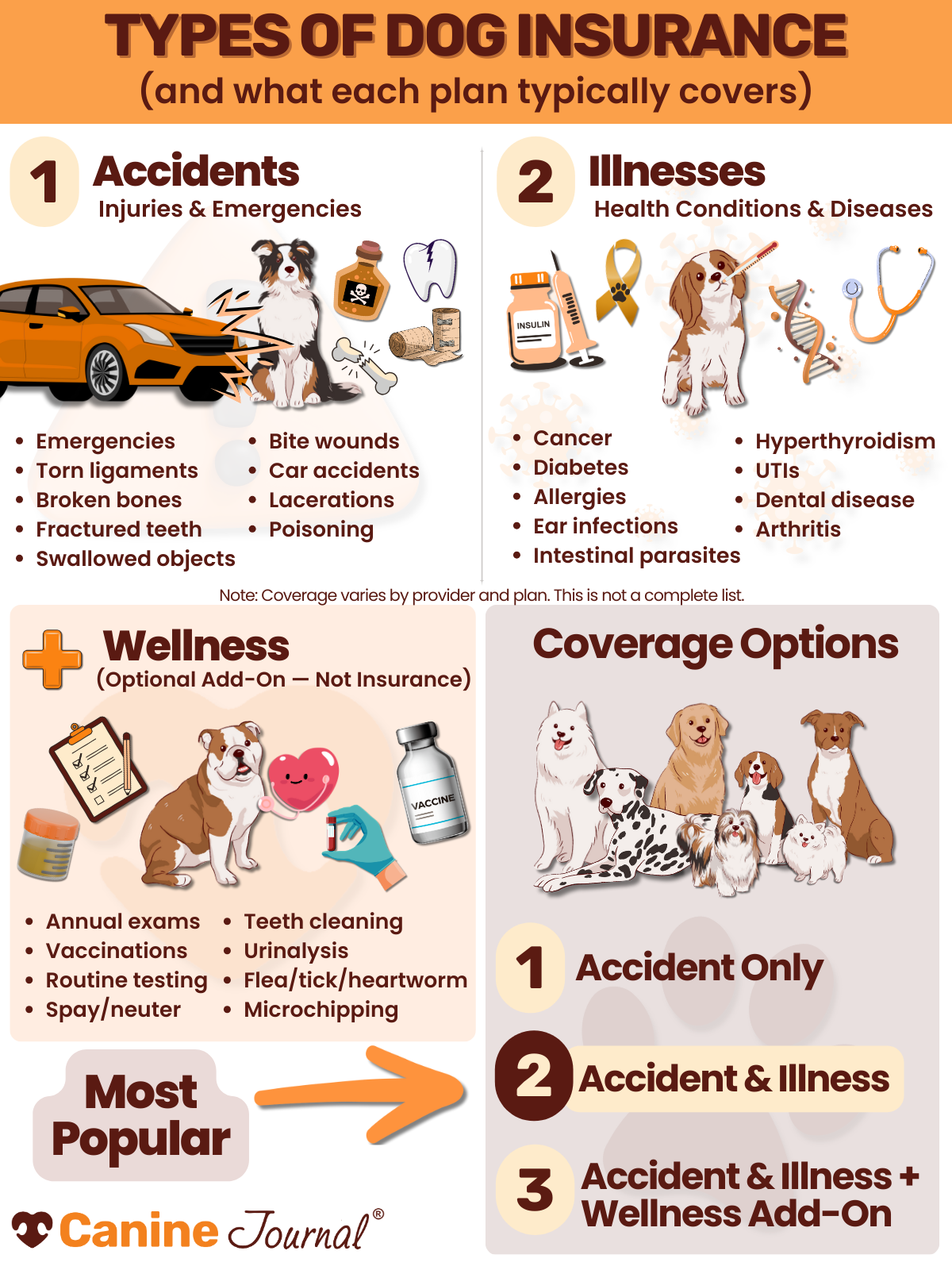
Alright, let’s break it down without the snooze factor. When you’re exploring pet insurance coverage types, you’ll mainly encounter accident-only, illness, and comprehensive plans. Accident-only is like the entry-level hero—it covers emergencies like fractures or poisonings but skips chronic issues. I once heard a friend compare it to having car insurance that only fixes crashes, not routine maintenance. On the flip side, illness coverage steps in for diseases, infections, or even cancer treatments, which can be a game-changer for older pets prone to such woes.
Then there’s the all-star: comprehensive coverage, which bundles everything together. It’s like getting the full meal deal at your favorite diner—accidents, illnesses, and sometimes routine care like vaccinations. To put it in perspective, imagine if your pet was a character in a sitcom; comprehensive insurance would be the plot twist that saves the day every episode. A quick, direct answer to what you’re probably asking: The main pet insurance coverage types include accident-only for sudden injuries, illness plans for diseases, and comprehensive options that cover both, plus preventive care—tailoring to your pet’s lifestyle can save you thousands in vet bills. That’s about 45 words of straightforward advice, right there.
Accident-Only vs. Comprehensive: A Friendly Face-Off
Deciding between these can feel like picking your go-to Netflix show—do you want quick thrills or a deep dive? Let’s compare with a simple table to keep things visual and relaxed:
| Type | What It Covers | Best For |
|---|---|---|
| Accident-Only | Emergencies like broken bones, bites, or car-related injuries; excludes illnesses. | Young, active pets with low-risk lifestyles; budget-conscious owners. |
| Comprehensive | Accidents plus illnesses, hereditary conditions, and often routine care like check-ups. | Pets with potential health issues or those you want fully protected; peace-of-mind seekers. |
As you can see, if your dog is like Max—always on the go—accident-only might suffice at first. But for breeds with genetic predispositions, like certain bulldogs prone to skin issues, comprehensive wins out. I remember reading about a meme on social media where a dog owner joked that their pet’s insurance covered more drama than a soap opera, which really hit home how these plans adapt to real pet personalities.
Quick steps to file pet claimsFactors to Weigh in When Picking Your Plan
Before you sign on the dotted line, let’s chat about what matters most. Your pet’s age, breed, and daily adventures play a big role in choosing the right coverage for pets. For example, if you have an older cat, you might prioritize plans with illness coverage to handle arthritis or dental problems. Deductibles, premiums, and waiting periods are like the fine print in a fun novel—they’re necessary but can trip you up if ignored.
From my own experience, customizing your policy with riders for things like alternative therapies can make all the difference. It’s like adding extras to your pizza order; it might cost a bit more, but it fits your tastes perfectly. And don’t overlook local customs— in some communities, pet insurance is as routine as annual vaccinations, influenced by cultural attitudes toward animal care.
Quick Tips for Getting Started
While we’re on a roll, here’s a relaxed guide to ease into it: First, assess your pet’s health history like you’re reviewing a photo album. Then, shop around for quotes—it’s as easy as scrolling through apps. And finally, read reviews from fellow pet parents to get the real scoop.
As we wrap up this journey through pet insurance options, think about how these choices could turn a potential nightmare into a manageable hiccup. What’s one step you’ll take today to safeguard your pet’s future adventures? Whether it’s comparing plans or just giving your furry buddy an extra hug, you’ve got this.
Hidden perks of pet insurance policiesFAQ: Common Questions on Pet Insurance
Is pet insurance worth the cost?
Absolutely, especially if your pet is prone to accidents or illnesses. It can save you from high vet bills, making it a smart investment for long-term peace of mind, much like how car insurance protects your vehicle.
How do I know which coverage type is right for my pet?
Start by evaluating your pet’s lifestyle and health risks. For active pets, accident coverage might suffice, but for comprehensive needs, go for plans that include illnesses—consulting with your vet can provide personalized advice.
Can I get pet insurance for older animals?
Yes, though premiums might be higher due to pre-existing conditions. Many providers offer options for senior pets, focusing on ongoing care to ensure they live comfortably in their golden years.
Best pet insurance deals for families