
Ever had that moment when you’re chatting with a buddy over coffee, and they start ranting about how their car insurance shot up after a quick move across state lines? Yeah, that’s exactly where this story kicks off for me. Last year, my old pal Mike packed up and headed from laid-back Florida to bustling New York, only to get hit with premiums that made his eyes water. He thought it was just bad luck or some urban legend about regional rip-offs. But as I dug into it, I realized there’s way more to these so-called “regional rate variations” in auto insurance than meets the eye. It’s not about conspiracy theories or insurers playing favorites—it’s real factors at play, and I’m here to set the record straight in a chill, no-nonsense way.
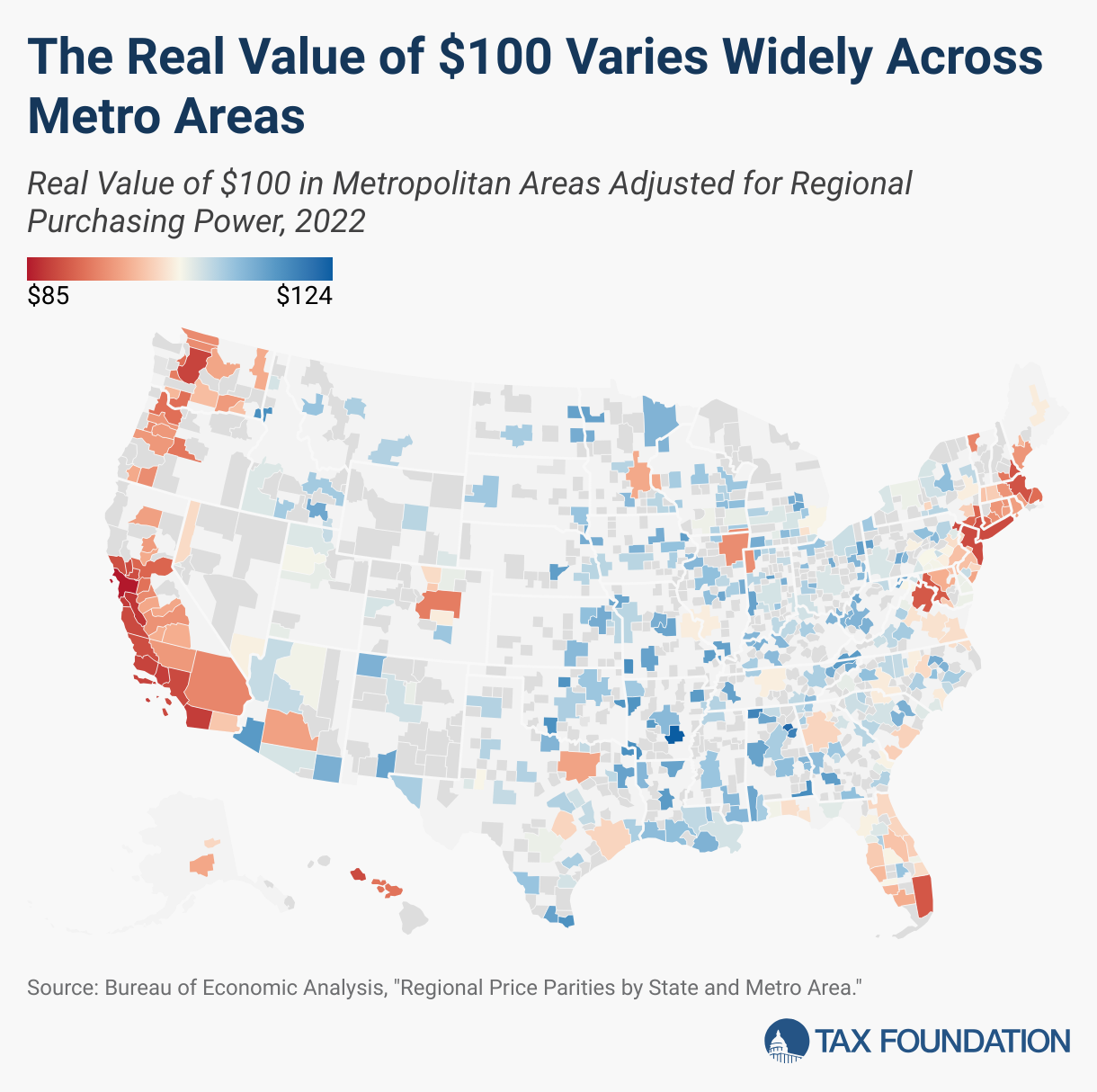
Regional rate variations aren’t just random hits to your wallet—they’re tied to actual data and local vibes that affect everyone differently. In a nutshell, these differences stem from things like traffic patterns, crime stats, and even weather quirks in your area. For instance, if you’re in a spot with endless highways and low theft rates, your rates might feel like a gentle breeze, whereas city dwellers dodging potholes and gridlock could see steeper costs. This paragraph sums it up: Auto insurance rates vary by region due to localized risks and regulations, meaning what you pay in Texas might not align with rates in California, but it’s all based on stats, not shady deals—helping drivers understand and shop smarter without the sticker shock.
Why Your Zip Code Feels Like a Money Magnet
Let’s ease into this: I always found it fascinating how a simple address can flip your insurance world upside down. Picture this— you’re the same driver with the same car, but cross a state border, and bam, the numbers change. It’s not magic; it’s math mixed with local flavor. Factors like population density play a huge role—think about how New York City’s gridlock and fender-benders jack up claims, versus the wide-open roads in Montana where deer might be your biggest foe. And don’t forget weather; hurricanes in the Southeast or blizzards up North mean higher risks, so insurers adjust accordingly. It’s like your premium is whispering secrets about your neighborhood’s daily drama.
Here’s a fun twist from pop culture: Remember those old movies where folks dodge toll booths and traffic cops? Well, in real life, areas with more enforcement or higher accident rates, like parts of California, end up with pricier policies. It’s not fair, but it’s relatable—like when you hear about a meme going viral about “taxes and insurance woes.” To keep it light, I’ve thrown together a quick table comparing average annual auto insurance rates in a few key spots, based on reliable industry data. This isn’t exhaustive, but it paints a picture of how regions stack up.
Solutions for young professional drivers| Region/State | Average Annual Rate | Key Influences |
|---|---|---|
| California | $1,800–$2,500 | High traffic, earthquakes, and dense urban areas |
| Texas | $1,500–$2,000 | Long drives, weather events, and varying crime rates |
| Florida | $1,600–$2,200 | Hurricanes, flooding, and tourist traffic |
| New York | $2,000–$3,000 | Congestion, high costs of living, and strict regulations |
Busting Myths That Drive Us Crazy
Okay, let’s get real for a second—there’s a ton of misinformation floating around online, like that viral thread claiming insurers just pick favorites based on vibes. Spoiler: It’s not true. One common myth is that rural areas always get cheaper rates, but that’s oversimplified. Sure, less traffic helps, but if you’re in farm country with risky roads or wildlife collisions, it balances out. I once heard a story from a cousin in the Midwest who thought moving to the suburbs would slash his costs, only to find out local repair shops charge a premium. It’s these little realities that debunk the hype.
To add some depth, let’s talk emotions. Getting hit with higher rates can feel personal, like the system doesn’t get you. But when you peel back the layers, it’s about risk assessment—insurers use data from sources like the National Highway Traffic Safety Administration to predict claims. So, if your region has more DUIs or thefts, expect adjustments. And hey, in a world obsessed with TikTok trends, I’ve seen folks share “hacks” that are pure fiction, like assuming loyalty discounts erase regional bumps. They help, but won’t override the big picture.
The Real Deal: Factors You Can Actually Influence
Shifting gears, what if I told you that while you can’t change your region’s baseline, you can tweak your own situation? Start with your driving record—clean it up, and watch those numbers dip, no matter where you live. Or consider bundling policies; it’s like that clever meme about multitasking, where one app handles everything. In auto insurance, pairing home and car coverage often scores you deals. And don’t overlook vehicle choice—driving a safe, fuel-efficient car in a high-risk area can soften the blow.
From a more reflective angle, I remember chatting with a mechanic friend who deals with this daily. He said, “It’s all about playing the long game.” For example, installing anti-theft devices or taking a defensive driving course isn’t just smart—it’s a way to counter regional penalties. In places like the Northeast, where winter driving amps up risks, these steps feel even more crucial. It’s empowering, really, turning what seems fixed into something you can mold.
Ideas for vintage car protectionNavigating the Road Ahead Without the Stress
As we wrap up this laid-back dive, think about how understanding regional variations puts you in the driver’s seat—literally. Instead of stressing over the “why,” focus on tools like comparison sites or chatting with agents who know your area’s quirks. It’s like uncovering a hidden gem in your daily routine, making insurance less of a headache and more of a non-issue.
For a final quirky note, ever wonder if moving for cheaper rates is worth it? Well, that’s your call—maybe pair it with a life adventure, like in those feel-good road trip stories. Either way, keep an eye on your policy and drive safe out there.
FAQ: Quick Answers to Common Curiosities
Why do auto insurance rates vary so much by state? Rates differ because each state has unique risks, like weather patterns or traffic volumes, which insurers factor into premiums based on historical data and local laws.
Can I lower my rates if I live in a high-cost area? Absolutely—options like improving your credit, choosing a safer car, or adding safety features can help offset regional increases and potentially save you money.
Compare policy terms and conditionsIs it worth shopping around for auto insurance across regions? If you’re relocating, yes; comparing quotes from multiple providers can reveal deals that account for your new location’s specifics, making the transition smoother.