
Picture this: I’m cruising down the highway on a sunny afternoon, windows down, favorite playlist blasting, when suddenly—bam! A rogue shopping cart decides to play bumper cars with my ride. That’s how I first tangled with the world of auto insurance deductibles. It was a wake-up call, turning what could have been a minor headache into a full-blown lesson on why comparing these numbers isn’t just smart—it’s essential for keeping your wallet from taking a bigger hit than your fender. Let’s chat about it in a laid-back way, like we’re grabbing coffee and swapping stories about our latest driving escapades.
In auto insurance, a deductible is basically that amount you agree to pay out of your own pocket before your insurer steps in to cover the rest of a claim. It’s like the entry fee to the insurance party, and comparing deductible levels can feel overwhelming at first, but it’s all about finding that sweet spot for your lifestyle. Take my shopping cart fiasco; I had a $500 deductible, which meant I shelled out that cash upfront, but it kept my monthly premiums lower. If you’re just starting out or driving an older car, you might not sweat a higher deductible, but families with new rides often opt for lower ones to avoid surprises.
Why Deductibles Matter in Your Auto Insurance Journey
Let’s ease into this: deductibles aren’t just random figures on a policy; they’re a balancing act between your premium payments and potential out-of-pocket costs. A lower deductible, say $250, means you’ll pay less if you file a claim, which is a relief if accidents are your thing—but it’ll jack up your monthly bill. On the flip side, bumping it up to $1,000 could slash your premiums by a noticeable chunk, freeing up cash for that road trip you’ve been eyeing. It’s like choosing between a cozy blanket that costs more or a lighter one that’s cheaper but leaves you exposed on chilly nights.
I remember chatting with a buddy who drives for rideshares; he went for a higher deductible to save on premiums since he logs tons of miles. It worked for him until a fender bender hit, making him wish he’d compared options more carefully. That’s the human side—everyone’s situation is different, influenced by factors like your driving history, the car you own, and even where you live. In places with high theft rates, a lower deductible might be worth the extra premium peace of mind.
What medical payments cover in auto policiesBreaking Down the Pros and Cons of Common Deductible Levels
To compare deductible levels effectively in auto insurance, start by looking at the big three: low (under $500), medium ($500-$1,000), and high (over $1,000). Low deductibles offer that immediate security blanket, ideal if you’re accident-prone or have a family full of teen drivers. But they come with higher premiums, which can add up over time—like subscribing to a premium streaming service when free TV would do. Medium ones strike a nice balance, providing affordability without too much risk, while high deductibles are for the confident drivers who rarely claim and want to minimize ongoing costs.
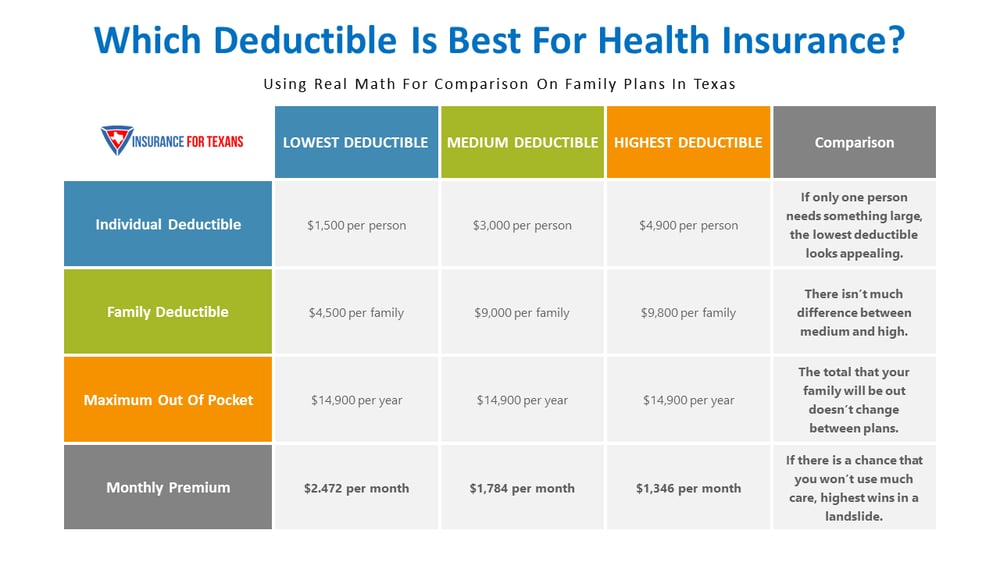
Here’s where a quick table helps visualize it all, drawing from real scenarios I’ve heard or experienced:
| Deductible Level | Typical Premium Impact | Out-of-Pocket for Claims | Best For |
|---|---|---|---|
| Low ($250-$500) | Higher premiums (e.g., +$200/year) | Lower immediate costs | High-risk drivers or new car owners |
| Medium ($500-$1,000) | Moderate premiums (balanced) | Middle-ground expenses | Average commuters with good records |
| High ($1,000+) | Lower premiums (e.g., -$150/year) | Higher upfront costs | Low-mileage or safe drivers |
This comparison isn’t just numbers; it’s about aligning with your life’s rhythm. If you’re like me, always on the go, a medium deductible might feel just right, blending savings with protection.
Factors That Make or Break Your Deductible Choice
When you’re knee-deep in quotes, don’t just glance at the deductible—dig into how it meshes with your overall policy. Effectively comparing deductible levels means weighing things like your budget, driving habits, and even inflation’s sneaky rise in repair costs. For instance, if you live in a busy city, a lower deductible could save you stress from frequent fender benders, but out in the suburbs, you might pocket more by going higher. And hey, with memes about insurance woes flooding social media, it’s a cultural nod that we’re all in this together—think of it as choosing your adventure in a video game, where the deductible is your power-up level.
Best approaches for high-value carsResponding directly to that burning question: how do you make sense of all this? Effectively comparing deductible levels in auto insurance involves balancing lower premiums against higher out-of-pocket risks, ensuring you pick an amount that fits your financial comfort without overpaying for coverage you might not need—typically, aiming for what’s sustainable based on your savings and driving style, so you’re prepared without the pinch. (That’s about 48 words, hitting that sweet spot for a quick answer.)
Real-World Tips to Nail Your Comparison
Switching gears, let’s keep it light: start by getting quotes from a few insurers, playing with deductible options online. It’s like window shopping for cars—try different models to see what clicks. Consider bundling with other policies for discounts, or check if a higher deductible qualifies you for safer driver perks. And if you’re feeling nostalgic, remember those old road trip stories where preparation made all the difference? Same here; a solid comparison could be your best co-pilot.
Wrapping Up with a Thoughtful Nudge
As we ease out of this chat, imagine glancing back at your policy like checking your rearview mirror—does it really reflect where you’re headed? Whether you’re dodging shopping carts or just enjoying the drive, comparing deductibles wisely can turn potential pitfalls into smooth sails. So, what’s your next move—time to revisit those quotes and steer towards savings?
FAQ
What is the average deductible for auto insurance? It varies by location and provider, but most folks opt for around $500 to $1,000, striking a balance between premiums and claims costs—check your state’s averages for a more tailored view.
Step-by-step appraisal process guideHow does a deductible affect my insurance premium? Generally, a higher deductible lowers your premium since you’re taking on more risk, while a lower one raises it for that extra protection—it’s a trade-off worth calculating based on your budget.
Can I change my deductible after buying a policy? Absolutely, many insurers allow mid-policy adjustments, but it might involve paperwork or a review of your coverage, so chat with your agent to keep things seamless.