
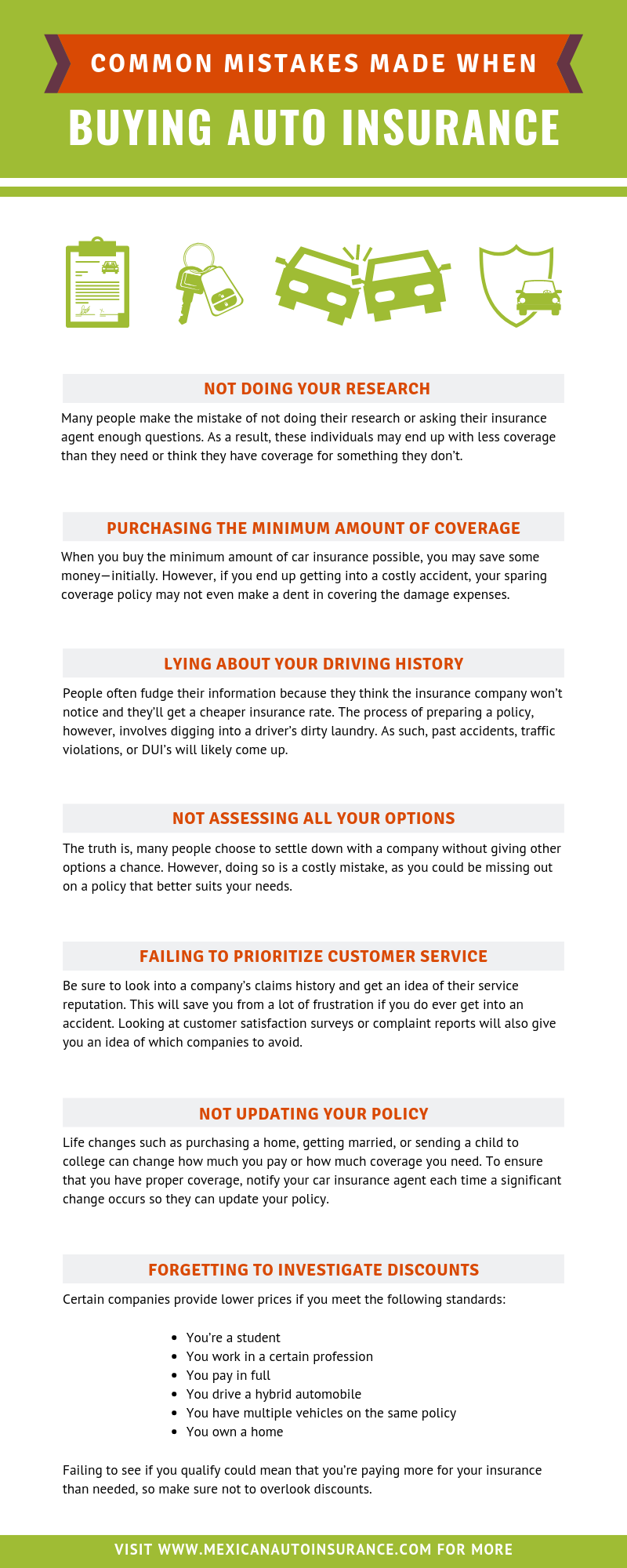
Ever had one of those days where you finally get around to sorting out your car insurance, only to realize later that you might’ve messed up big time? Yeah, me too—picture this: my buddy Alex, who’s usually pretty sharp, once rushed through buying his auto policy right before a road trip. He ended up with coverage that barely covered a scratch, all because he skimped on the details. It’s a common slip-up, and trust me, it’s easier to avoid than you think. Today, we’re diving into the everyday blunders folks make when snagging vehicle insurance, keeping things light and straightforward so you can cruise through the process without any hiccups.
So, what’s the big deal with common mistakes when buying vehicle insurance? Well, in a nutshell, these errors can leave you underprotected, overpaying, or even dealing with denied claims down the road. Avoiding these pitfalls means getting the right auto insurance that fits your needs without breaking the bank—think of it as picking the perfect pair of driving gloves, comfy and reliable. By focusing on key aspects like coverage types and comparisons, you can ensure your policy shields you from life’s unexpected detours, saving both money and stress in the long run.
The Rush to Sign Without Double-Checking
We’ve all been there, right? Life gets busy, and suddenly you’re clicking “accept” on that insurance quote faster than a red light turns green. But here’s where things get tricky: not taking a beat to review the details can lead to mismatched coverage. For instance, you might opt for the cheapest option thinking it’s a steal, only to find out it doesn’t include comprehensive protection for things like theft or natural disasters. I once heard about a guy who bought basic liability coverage for his vintage ride, assuming it was enough—spoiler, it wasn’t when a storm hit. To keep it real, always pause and ask yourself if the policy aligns with your daily drives, whether it’s city commutes or long hauls on the highway.
Another angle? Overlooking your driving history. Insurers love to peek at that, and if you’re not upfront, it could inflate your premiums later. Imagine explaining to your spouse why the bill jumped unexpectedly—awkward, huh? By chatting with an agent or using online tools to simulate scenarios, you can spot these gaps early and tweak your choices for a more tailored fit.
Ways to lower high-risk auto insurance costsSkimming Over Coverage Types Like a Speeding Ticket
Let’s talk coverage—it’s like the menu at your favorite diner; you wouldn’t just pick the first item without glancing at the options. A classic mistake is confusing liability with full coverage; liability only handles damages you cause to others, leaving your own car high and dry in an accident. Common errors in auto insurance often stem from not understanding these differences, which can leave you vulnerable. For example, if you’re leasing a car, you might need gap insurance to cover the difference between what you owe and the car’s actual value.
To make this more relatable, think about memes from social media where people joke about “adulting fails.” It’s like that viral clip of someone forgetting to insure their ride properly and then facing a massive repair bill—hilarious until it’s you. A quick tip: create a simple checklist of must-haves, like bodily injury coverage or uninsured motorist protection, based on your area’s laws and your lifestyle. This way, you’re not just buying insurance; you’re building a safety net that feels personal and proactive.
| Coverage Type | What It Covers | Why It Matters |
|---|---|---|
| Liability | Damages to others in an accident | Legally required in most states; prevents lawsuits from wiping out your savings |
| Comprehensive | Theft, vandalism, or weather damage to your vehicle | Protects your investment if something non-collision related happens—peace of mind for parked cars |
| Collision | Repairs from crashes, regardless of fault | Essential for newer cars; avoids out-of-pocket costs when fender-benders occur |
Forgetting to Shop Around and Compare Quotes
Here’s a laid-back truth: not comparing quotes is like buying the first coffee you see without checking the menu—sure, it’s caffeine, but is it the best deal? Many people stick with their current insurer out of habit, missing out on savings or better perks elsewhere. Buying car insurance without comparing options can cost you hundreds annually. I remember reading about a family who switched providers and slashed their premium by 20% just by doing a quick online search—talk about a win.
Dig a little deeper, and you’ll find that factors like your ZIP code or vehicle type play a huge role. Use apps or websites that let you input your details once and get multiple estimates; it’s like window shopping for your wallet’s sake. And don’t forget seasonal discounts—some companies offer lower rates during off-peak times, adding a fun layer to the hunt.
Benefits of liability coverage for carsIgnoring the Fine Print and Deductible Details
Ah, the fine print—that sneaky section we all pretend to read. Overlooking it is a top error, as it hides gems like exclusions or claim processes that could trip you up. For vehicle insurance, not understanding deductibles means you might end up paying more out-of-pocket than expected. Picture this: you have a $1,000 deductible, but your claim is only $800—ouch, that’s on you. To keep it light, think of deductibles as your co-pay at the doctor’s; higher ones lower your premium but require more upfront cash when needed.
In a world full of digital distractions, like scrolling through TikTok for insurance tips, it’s easy to gloss over this stuff. But here’s a creative twist: treat it like decoding a treasure map. Highlight key terms and ask questions if something’s unclear—your future self will thank you with a high-five.
Quick FAQ on Auto Insurance Blunders
What’s the most common mistake new drivers make? Many newcomers underestimate the need for full coverage, opting for minimums that don’t protect their own vehicle, leading to unexpected expenses in accidents.
How can I lower my premiums without cutting corners? Bundle your auto insurance with home or renters’ policies, maintain a clean driving record, and look for discounts like safe driver programs to keep costs down while staying protected.
Myths about comprehensive motor insuranceIs it worth switching insurers mid-policy? Absolutely, if you’re not getting the best value—many allow mid-term switches with proper notice, potentially saving you money without gaps in coverage.
As we wrap up this casual chat, think about this: what’s one step you’ll take next time to dodge those insurance pitfalls? Maybe it’s firing up that quote comparator or chatting with a trusted agent—either way, here’s to smoother rides ahead, free from those unnecessary bumps.