
Ever had one of those days where you step into your living room and it looks like a tornado decided to throw a party without inviting you? Yeah, me too. Last summer, a sneaky leak turned my cozy attic into a mini lake, and that’s when I dove headfirst into the world of home insurance claims. It was a real eye-opener, teaching me that documenting damage isn’t just about snapping a few pics—it’s an art that can save you headaches and cash. If you’re dealing with home insurance, getting this right means turning potential disasters into smooth sailing.
Best practices for documenting home damage start with acting fast and staying organized, ensuring your claim process with home insurance providers goes without a hitch. In essence, by capturing every detail from the get-go, you protect your rights and maximize your coverage, turning what could be a stressful ordeal into a manageable step toward recovery. This approach not only speeds up approvals but also gives you peace of mind knowing you’ve got the proof you need.
Why Getting the Details Down Matters in Home Insurance
Let’s keep it real—nobody wants to deal with busted pipes or storm-swept roofs, but when it happens, your home insurance policy is your best buddy. Documenting damage properly isn’t about being overly cautious; it’s like keeping a diary of your home’s battles. I remember chatting with a neighbor who lost out on a big claim because he didn’t note the exact date of a flood. It turned into a he-said-she-said with the insurer, and he ended up shortchanged. By recording everything meticulously, you’re building a solid case that speaks for itself, making sure your insurer sees the full picture without any guesswork.
In the broader world of home insurance, this practice ties into cultural quirks too—like how folks in rainy regions like the Pacific Northwest treat documentation as second nature, almost like sharing memes about their leaky roofs on social media. It’s a nod to how everyday life influences our approach, turning what could be a dry topic into something relatable. Think of it as your home’s personal story, one that insurers appreciate because it cuts through the red tape and gets to the heart of the matter.
Comparing home insurance rates by zip codeStep-by-Step Guide to Capturing the Chaos
When damage strikes, it’s easy to panic, but taking a breath and following these steps can make all the difference. We’ll keep this relaxed, like we’re just chatting over coffee about how to handle your home insurance claim.
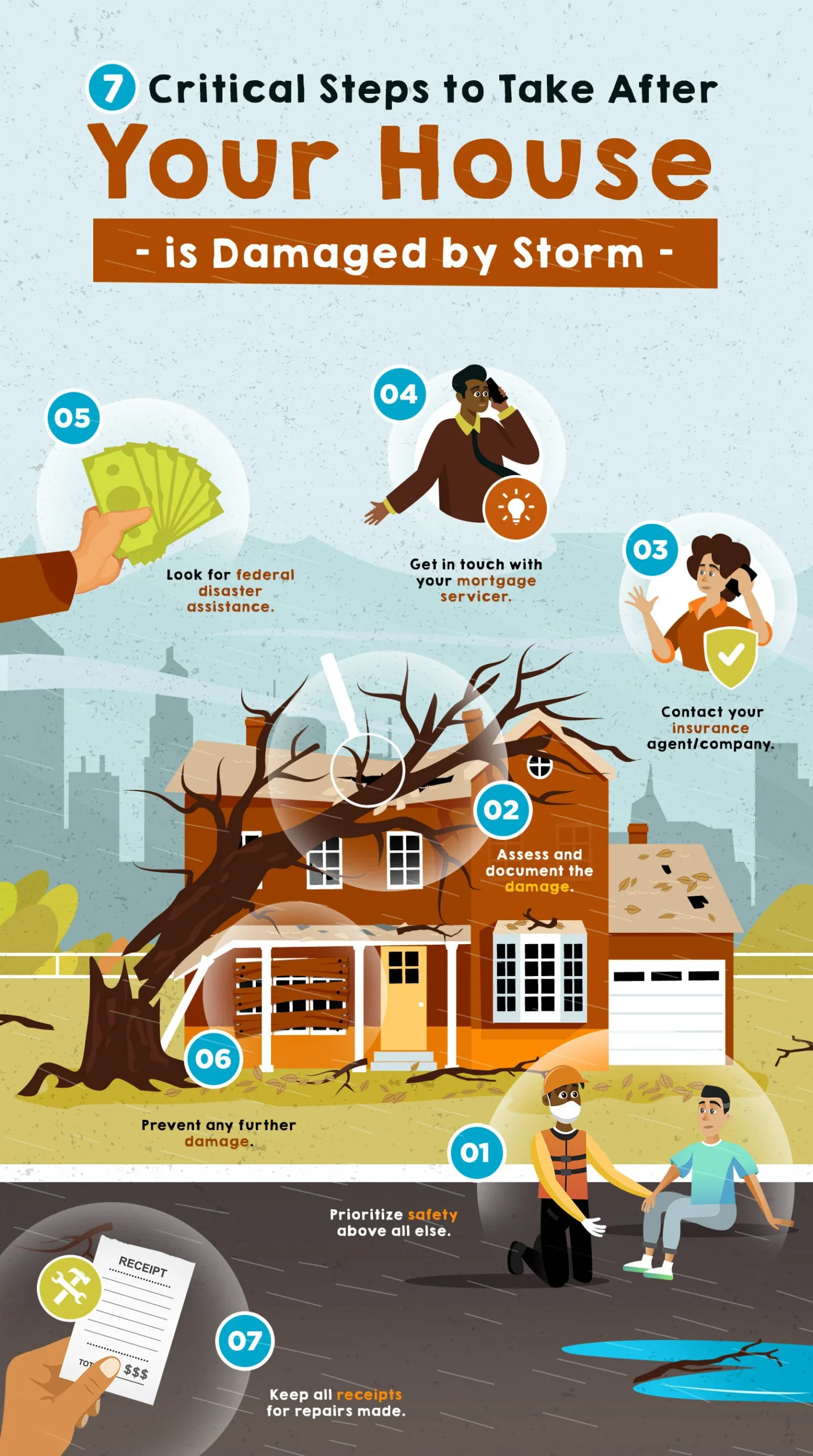
1Start by assessing the scene immediately. Snap photos from multiple angles—wide shots to show the overall mess and close-ups for the nitty-gritty details. This immediate action, a key part of documenting home damage, helps preserve evidence before things change, like that time I caught my leak early and avoided more extensive repairs.
2Write down everything: dates, times, weather conditions, and even how it might have happened. Recording property damage effectively means creating a timeline that paints a clear story for your home insurance folks. I once jotted notes on my phone while waiting for the repair guy, and it made my claim feel like a straightforward narrative rather than a puzzle.
3Gather supporting docs, like receipts for temporary fixes or witness statements. In the realm of home insurance best practices, this step is your safety net, ensuring you’re not left hanging if questions arise later.
Benefits of loyalty discounts on home policies4Organize it all digitally—upload to a cloud folder or app. This modern twist on documenting home damage keeps things accessible, almost like curating a photo album of your home’s tough moments, ready to share with your insurer at a moment’s notice.
Tools That Make It a Breeze and Pitfalls to Dodge
From my own escapades with home insurance, I’ve learned that the right tools can turn documentation into a walk in the park. Apps like those from major insurers let you log damage on the spot, complete with GPS timestamps—way cooler than old-school notebooks. But here’s a heads-up: don’t overlook the basics, like a good camera or even your smartphone’s video feature for a quick walkthrough.
To add some variety, let’s compare a couple of methods in a simple table. This isn’t about overcomplicating things; it’s just to show how different approaches stack up for home insurance claims.
| Method | Pros | Cons |
|---|---|---|
| Photo and Video Documentation | Visual proof that’s hard to dispute; easy to capture with a phone | Takes up storage space; quality can vary |
| Written Records and Notes | Provides detailed context; simple and timeless | Can be subjective; might need corroboration |
And watch out for common slip-ups, like forgetting to include pre-damage photos. It’s like baking a cake without measuring—things just don’t turn out right. In home insurance circles, these errors can delay your claim, so staying vigilant keeps the process flowing smoothly.
Debunking coverage limits in home insuranceWrapping Up with a Thoughtful Nudge
As we wrap this up, imagine flipping through your well-documented files and feeling that wave of relief when your home insurance claim sails through. It’s not just about the paperwork; it’s about reclaiming your peace of mind after the storm. So, what’s your next move—grabbing that camera or organizing those notes? Either way, you’re one step closer to handling whatever comes your way with ease.
FAQ: Quick Answers on Home Insurance Documentation
How soon should I document home damage? Ideally, right away—within 24 hours if possible. This preserves evidence and shows insurers you’re proactive, which can speed up your claim process.
What if I don’t have professional photos? Don’t sweat it; your own high-quality snaps work fine. Just ensure they’re clear and include timestamps to back up your home insurance narrative.
Can I use social media posts as documentation? Absolutely, as long as they’re dated and accurate. Many use them as supplementary proof, but always pair with official records for a stronger case in home insurance matters.
Strategies to appeal a denied home claim