
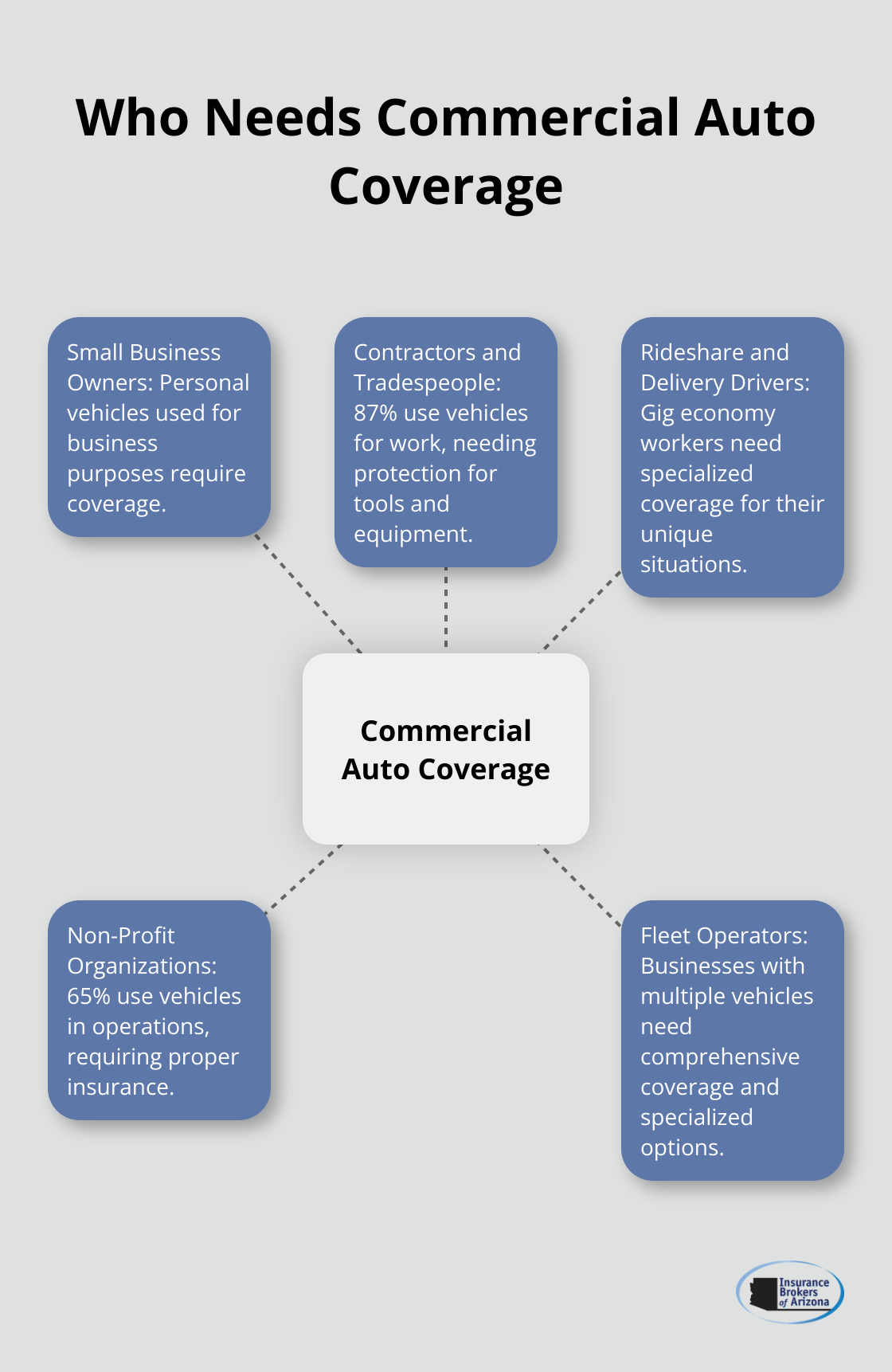
Picture this: you’re the proud owner of a bustling fleet of vans, trucks, or cars, zipping around town delivering goods or services like a well-oiled machine. But let’s be real, even the best plans hit potholes—maybe a fender bender on a rainy day or a unexpected breakdown. That’s where auto insurance for fleet owners swoops in as your trusty sidekick, turning potential headaches into manageable bumps. I’m not just throwing jargon at you; I’ve chatted with folks who’ve navigated this world, and it’s all about peace of mind without the stiff suits.
In a nutshell, auto insurance for fleet owners is tailored coverage that protects your business vehicles as a group, rather than insuring each one individually. It’s like having a safety net for your entire operation, covering everything from accidents to theft, and even liability issues. This setup can save you time, money, and a whole lot of stress, especially if you’re running a small business with a handful of vehicles. Why does it matter? Well, for fleet owners, downtime means lost revenue, so having the right insurance keeps things rolling smoothly—think of it as your business’s personal bodyguard.
Diving deeper, let’s break down why this insurance is a game-changer. First off, it’s designed for scale. If you manage more than a few vehicles, standard personal auto policies won’t cut it—they’re built for everyday drivers, not commercial operations. Fleet insurance bundles your cars or trucks into one policy, often at a lower cost per vehicle. I remember hearing about a local delivery company owner who switched to fleet coverage and slashed his premiums by 20%. It’s stories like that that make you realize how much you’re missing out if you’re not exploring this option.
Why Fleet Owners Need Specialized Coverage
Okay, let’s get into the nitty-gritty without making your eyes glaze over. Fleet auto insurance isn’t just a bigger version of regular car insurance; it’s packed with features that address the unique risks of running a business on wheels. For starters, it typically includes commercial auto insurance elements like hired and non-owned vehicle coverage, which protects you if an employee uses their own car for work errands. Plus, there’s often protection for cargo, which is a big deal if you’re hauling valuables—imagine losing a truckload of electronics and not having that safety net.
How inflation impacts ratesAnother angle? Risk management. Fleets face higher exposure to accidents due to more miles on the road and multiple drivers. Policies for fleet owners often come with perks like driver training discounts or telematics monitoring, where tech tracks driving habits to lower rates. It’s like having a coach for your team, helping everyone drive safer and smarter. And here’s a fun twist: ever seen those viral videos of dash cams catching crazy road antics? In the fleet world, that footage could actually help with claims, turning potential disasters into quick resolutions.
Key Factors to Consider When Choosing a Policy
Shopping for auto insurance for fleet owners doesn’t have to feel like decoding ancient scrolls. Start by assessing your fleet size and usage—do you have 5 vans for local deliveries or 50 trucks crossing state lines? That’ll influence whether you need basic liability or full comprehensive coverage. Don’t overlook the types of vehicles; a policy for sedans might differ from one for heavy-duty rigs. Oh, and premiums? They’re affected by factors like your drivers’ records, so incentivizing safe driving could save you bucks.
To make it easier, here’s a quick comparison table of common fleet insurance options versus standard policies:
| Feature | Standard Auto Insurance | Fleet Auto Insurance |
|---|---|---|
| Coverage Scope | Individual vehicles only | Multiple vehicles as a group |
| Cost Efficiency | Higher per vehicle | Discounts for bulk coverage |
| Additional Perks | Basic liability and collision | Cargo protection, driver monitoring, and business interruption coverage |
| Ideal For | Personal use | Business operations with fleets |
This table isn’t just filler—it’s a real eye-opener for folks weighing their options. Speaking of which, if you’re pondering how to pick the right one, focus on insurers that specialize in commercial policies. They often offer customizable packages, like adding roadside assistance for those inevitable flat tires. It’s all about finding that sweet spot where coverage meets your budget without cutting corners.
Top ways to reduce teen premiumsNavigating Common Challenges and Costs
Alright, let’s keep it real: even with the best insurance, pitfalls lurk. One biggie is underinsuring your fleet to cut costs, which can leave you exposed during a major claim. I’ve got a buddy who runs a taxi service; he skimped on coverage once and ended up footing a hefty bill after an accident. Lesson learned: always review your policy annually and adjust for changes, like adding new vehicles or updating driver info. Pro tip? Bundle your fleet insurance with other business policies for even more savings—it’s like getting a combo meal instead of à la carte.
On the cost side, factors like location play a role; urban areas with heavy traffic might hike up premiums. But hey, with a bit of savvy, you can mitigate that. Implement safety programs or use apps that track fuel efficiency and maintenance—these not only reduce risks but can snag you discounts. It’s fascinating how tech is weaving into insurance, almost like those sci-fi movies where everything’s interconnected. For fleet owners, this means smarter, more affordable protection that evolves with your business.
Tips for Keeping Your Fleet Insured and Efficient
To wrap up the how-to part without getting preachy, here’s some laid-back advice: regularly audit your drivers’ records and provide training—it’s a win-win. Also, shop around during renewal time; don’t stick with the first quote you get. And if you’re just starting out, consider consulting an insurance broker who’s dealt with fleets before—they’re like navigators in this maze. Remember, it’s not about overcomplicating things; it’s about building a shield that lets you focus on what you love—growing your business.
For a direct answer to what you’re probably wondering: Auto insurance for fleet owners essentially provides comprehensive protection tailored to multiple vehicles, covering accidents, liabilities, and more, while offering cost savings and specialized features to keep operations smooth—typically starting from a few hundred dollars per vehicle annually, depending on size and risk. This setup ensures your business stays resilient, no matter the road ahead. (That’s about 52 words, hitting that sweet spot for a quick insight.)
Guide to insurance for leased vehiclesFrequently Asked Questions
Q1: What’s the difference between fleet insurance and regular commercial auto insurance?
A: Fleet insurance is a subset of commercial auto insurance but is specifically for businesses with multiple vehicles, often providing bundled discounts and features like fleet-wide monitoring that regular policies might not include.
Q2: Can I get fleet insurance for just a few vehicles?
A: Absolutely, even small fleets of 3-5 vehicles can qualify, making it a smart choice for growing businesses. Insurers often have minimum requirements, so check with a provider to see if it fits your setup.
And just to leave you with a thought: what’s one step you can take today to safeguard your fleet and sleep a little easier? Whether it’s reviewing your current policy or chatting with an expert, it’s all about that proactive vibe. Here’s to smooth rides and fewer surprises on the road ahead.
Guide to insurance for leased vehicles