
Ever had that moment when life throws a curveball, and you’re staring at your life insurance policy wondering if cashing it in is the smart move? Yeah, me too. It’s like deciding whether to pull out your rainy-day fund early—tempting, but full of fine print. Today, we’re diving into the nitty-gritty of policy surrender values in life insurance, keeping things chill and straightforward. No jargon overload, just real talk to help you navigate this without the headache.
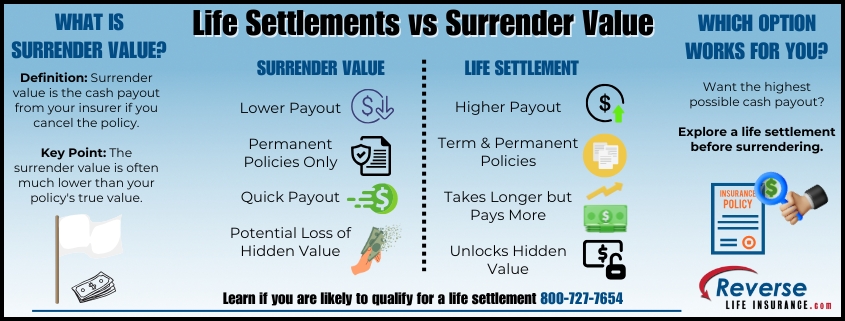
Policy surrender values are essentially the cash you can get back if you decide to bail on your life insurance policy before it matures. Think of it as the insurance company’s way of saying, “Okay, we’ll give you some money back, but we’re not thrilled about it.” For most permanent life insurance policies, like whole or universal life, a portion of your premiums builds up cash value over time. If you surrender the policy, you tap into that pot, minus some fees. It’s a safety net, but one with strings attached, especially if you’re dealing with surrender charges that can eat into your payout.
What Exactly is a Policy Surrender Value?
Alright, let’s break this down without making your eyes glaze over. Imagine your life insurance as a savings account that also protects your loved ones—cool, right? The surrender value is what’s left in that account if you choose to close it out. For instance, in a whole life policy, premiums pay for the death benefit and also accumulate cash value that grows tax-deferred. If you surrender, you get that accumulated value, reduced by any surrender fees, which are often highest in the early years to discourage quick exits.
This concept hits home for me because a friend once shared how he surrendered his policy during a job loss. He needed the cash fast, but the surrender value was only about 70% of what he’d paid in because of those early withdrawal penalties. It’s a reminder that while it’s there as an option, it’s not always the full jackpot you might expect. According to industry stats, the average surrender value can vary widely, but for many, it’s a way to access funds when life’s unpredictable—like a hidden emergency fund with a catch.
Strategic timing for purchasesHow Do You Calculate Your Surrender Value?
Calculating your policy’s surrender value isn’t rocket science, but it does require peeking at your policy documents or chatting with your insurer. Generally, it’s based on the cash value minus surrender charges and any outstanding loans. For example, if your policy has a cash value of $10,000 and there are $2,000 in surrender fees, you’d walk away with $8,000. Insurers use formulas that factor in the policy’s duration, your age, and the type of insurance, making it feel a bit like a personalized math problem.
To give you a clearer picture, here’s a quick comparison table of common life insurance types and their typical surrender values:
| Policy Type | Typical Surrender Value Features | Pros | Cons |
|---|---|---|---|
| Whole Life | Guaranteed cash value that grows steadily | Predictable returns, lifelong coverage | High premiums, surrender charges up to 10 years |
| Universal Life | Flexible premiums with variable cash growth | Adjustable to life changes, potential for higher returns | Market risks, possible zero value if underfunded |
| Variable Life | Invests in sub-accounts, surrender based on performance | Growth potential through investments | Volatile, high surrender fees, not guaranteed |
This table shows why understanding your specific policy is key—it’s like comparing different flavors of ice cream; they all cool you down, but one might leave a better aftertaste.
The Pros and Cons of Surrendering Your Policy
On the flip side, surrendering isn’t always a bad idea; it could free up cash for something pressing, like paying off debt or funding a new venture. But, as with any financial decision, there are trade-offs. You lose the death benefit, which means your beneficiaries are out of luck if something happens later. Plus, there might be tax implications if the surrender value exceeds what you’ve paid in premiums—it’s treated as taxable income, which could sting.
Blunders to dodge in endorsementsFrom a cultural angle, in places like the U.S., where financial independence is almost a meme, people often surrender policies during economic downturns, echoing trends from the Great Recession. It’s a real-world example of how life insurance ties into broader money habits, blending personal finance with everyday resilience.
Is Surrendering Right for You? A Real Chat
Let’s get personal for a sec. I once considered surrendering a policy when rates skyrocketed, but after weighing the options, I held on because the long-term benefits outweighed the immediate cash. The key to unraveling policy surrender values is asking yourself: Do I need this money now more than I need the security later? It’s not just numbers; it’s about your life’s story. If you’re in a bind, explore alternatives like policy loans, which let you borrow against the cash value without fully giving up the policy.
In a nutshell that’s about 50 words: Surrendering a life insurance policy means getting back the built-up cash value minus fees, offering liquidity but at the cost of future coverage and potential taxes. It’s a strategic move for immediate needs, yet one that requires careful consideration of your overall financial health.
Common Questions on Policy Surrender
Wrapping up with a few FAQs to tie it all together:
Novel applications of term policiesQ: How long do I have to wait before I can surrender without major penalties?
A: It varies, but many policies have a surrender charge period of 10-15 years. After that, you might get the full cash value.
Q: Can surrendering a policy affect my taxes?
A: Yes, if the amount you receive exceeds the premiums you’ve paid, the difference is taxable as ordinary income.
Q: Is there a way to avoid surrendering altogether?
A: Absolutely—options like reducing the death benefit or taking a loan against the policy can keep you covered without cashing out.
As we circle back, think about this: In the grand tapestry of your financial journey, is surrendering just a detour or a dead end? Whatever path you choose, make it one that aligns with your story—because life’s too short for regrets over rushed decisions.
Tailored solutions for health issues