
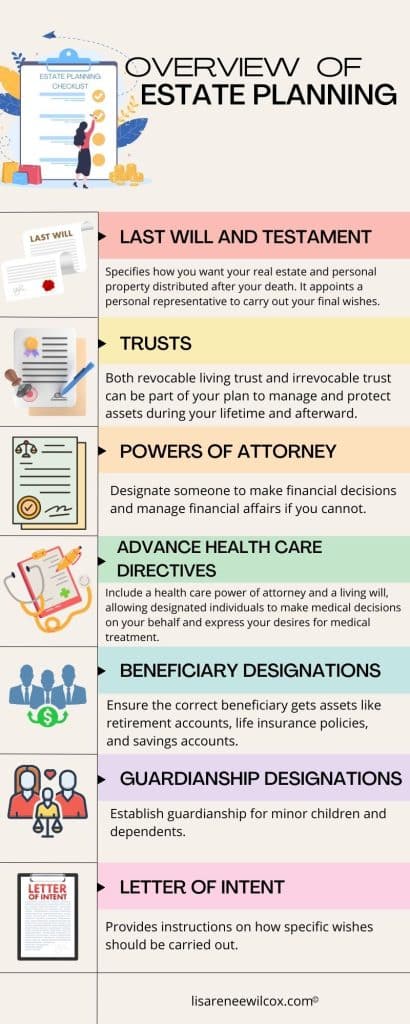
Ever thought about what happens to your stuff after you’re gone? It’s not the cheeriest topic, but hey, that’s life—or rather, the end of it. I’m chatting about estate planning today, and let’s tie that into life insurance policies because, honestly, they can be a game-changer without all the heavy drama. Picture this: my buddy Dave, who’s always been the laid-back type, finally sat down one rainy afternoon and realized his family might not know what to do with his vinyl collection or that old boat. That’s when he discovered how a simple life insurance policy could smooth things out. It’s like having a safety net that says, “I’ve got this planned for you.” Now, if you’re diving into this, one key idea is to start by aligning your policy with your wishes, making sure it’s not just a document but a heartfelt legacy.
Why life insurance is your estate’s best friend. Estate planning isn’t about fancy legalese; it’s about protecting the people you care about. Life insurance policies step in as a reliable tool, offering a payout that can cover debts, taxes, and even provide for your loved ones. Imagine it as a gentle hug from beyond—ensuring your family’s financial future isn’t upended. For instance, a term life policy might be straightforward and affordable, while whole life offers lifelong coverage with cash value buildup. The beauty is in the flexibility; you can designate beneficiaries directly, bypassing probate and speeding up inheritance. This isn’t just smart; it’s empathetic planning, acknowledging that life throws curveballs, and you’re preparing for them with a relaxed, thoughtful approach.
One of the most straightforward ideas for estate planning with policies is to use life insurance to equalize inheritances. Say you’ve got kids from different marriages or one who needs more support—policies let you balance things out without messy disputes. Here’s a quick analogy: think of it like divvying up pizza slices fairly at a family gathering. No one wants to fight over the last piece, right? In real terms, you could set up a policy that funds a trust, directing funds exactly where you want them. And if you’re feeling creative, add riders for things like accelerated death benefits, which could cover long-term care, blending protection with a bit of foresight. It’s all about making your plan as unique as your story, perhaps inspired by that viral meme of the cat with the inheritance—feline fortune, anyone?
Practical ideas to weave policies into your estate strategy
Let’s keep it light and actionable. First off, assess your needs: how much coverage do you really require? A rule of thumb is 10-15 times your annual income, but tweak it for your lifestyle. For example, if you’re a freelance artist like my cousin Mia, you might prioritize policies that protect your intellectual property rights in the payout. Then, consider irrevocable life insurance trusts (ILITs)—they’re not as intimidating as they sound. By placing your policy in a trust, you remove it from your estate’s taxable value, potentially saving your heirs a bundle. It’s like sneaking veggies into a smoothie; nobody notices until it’s doing good.
Solutions for high-risk applicantsAnother cool idea: use second-to-die policies for couples. This waits until both spouses pass, which can be ideal for leaving assets to kids or grandkids without immediate tax hits. Or, if you’re single and adventurous, permanent policies build cash value over time, almost like a personal rainy-day fund you can borrow against. To make this relatable, remember that episode of “The Office” where Michael plans his legacy? It’s humorous, but it highlights how overlooking details can lead to chaos. Avoid that by consulting a financial advisor—someone who gets your vibe and helps tailor policies to your estate goals.
Common pitfalls and how to sidestep them with ease
Even with the best intentions, mistakes happen. One biggie is not updating beneficiaries after life changes, like a divorce or a new baby. It’s like forgetting to update your playlist—suddenly, the wrong tunes are playing. Always review your policy annually, ensuring it aligns with your current reality. Another slip-up: over-insuring or under-insuring. Go too big, and premiums eat into your budget; go too small, and your estate might still face debts. Balance is key, much like mixing the perfect cocktail—not too strong, not too weak. And here’s a direct response to the heart of our title: integrating life insurance into estate planning means strategically using policies to minimize taxes and maximize inheritance, like designating a trust as beneficiary to shield assets from creditors—about 50 words of pure, practical wisdom right there.
| Policy Type | Best For | Pros | Cons |
|---|---|---|---|
| Term Life | Short-term needs, like mortgages | Affordable, straightforward | No cash value buildup |
| Whole Life | Long-term security and growth | Lifelong coverage, cash value | Higher premiums |
| Universal Life | Flexible premiums and benefits | Adjustable, potential for growth | Market risks if not managed |
Real-world stories that make it click
Stories bring it all home. Take Sarah, a teacher in her 50s, who used a life insurance policy to fund her daughter’s education posthumously. It wasn’t about the money; it was her way of saying, “Keep dreaming, kid.” These policies aren’t cold contracts; they’re extensions of your personality. In today’s digital age, you might even link policies to online legacies, like digital asset instructions—think passwords to social media. It’s a nod to how we’re all interconnected, making estate planning feel less like a chore and more like a creative outlet.
Frequently Asked Questions
What is the main purpose of life insurance in estate planning? Primarily, it provides liquidity to cover estate taxes and debts, ensuring your heirs inherit assets without selling them off hastily. It’s a straightforward way to preserve your legacy.
Best term life plans availableHow do I choose the right policy for my needs? Start by evaluating your financial goals and family situation. Consult a trusted advisor to compare options based on cost, coverage, and flexibility—it’s about finding what fits your relaxed lifestyle.
Can life insurance policies be changed over time? Absolutely, many allow adjustments like increasing coverage or changing beneficiaries, keeping your plan as dynamic as you are.
As we wrap this up, imagine glancing back at your life like flipping through a photo album—what memories do you want to secure? Whether it’s protecting your family’s adventures or your favorite causes, these policies are your quiet allies. So, why not jot down one idea today and see where it leads? It’s your story, after all.
Life insurance for seniors explained