
Ever had that moment when you’re cruising down the highway, windows down and tunes up, only to realize your car insurance might not cover a sudden fender-bender? Yeah, me too—it’s like discovering your umbrella has a hole right before a storm hits. That’s where the debate between liability and full protection plans for auto insurance comes in, and trust me, it’s more than just fine print; it’s about peace of mind on the road. Today, we’re kicking back and comparing these two options in a laid-back chat, because who says talking insurance has to feel like a lecture?
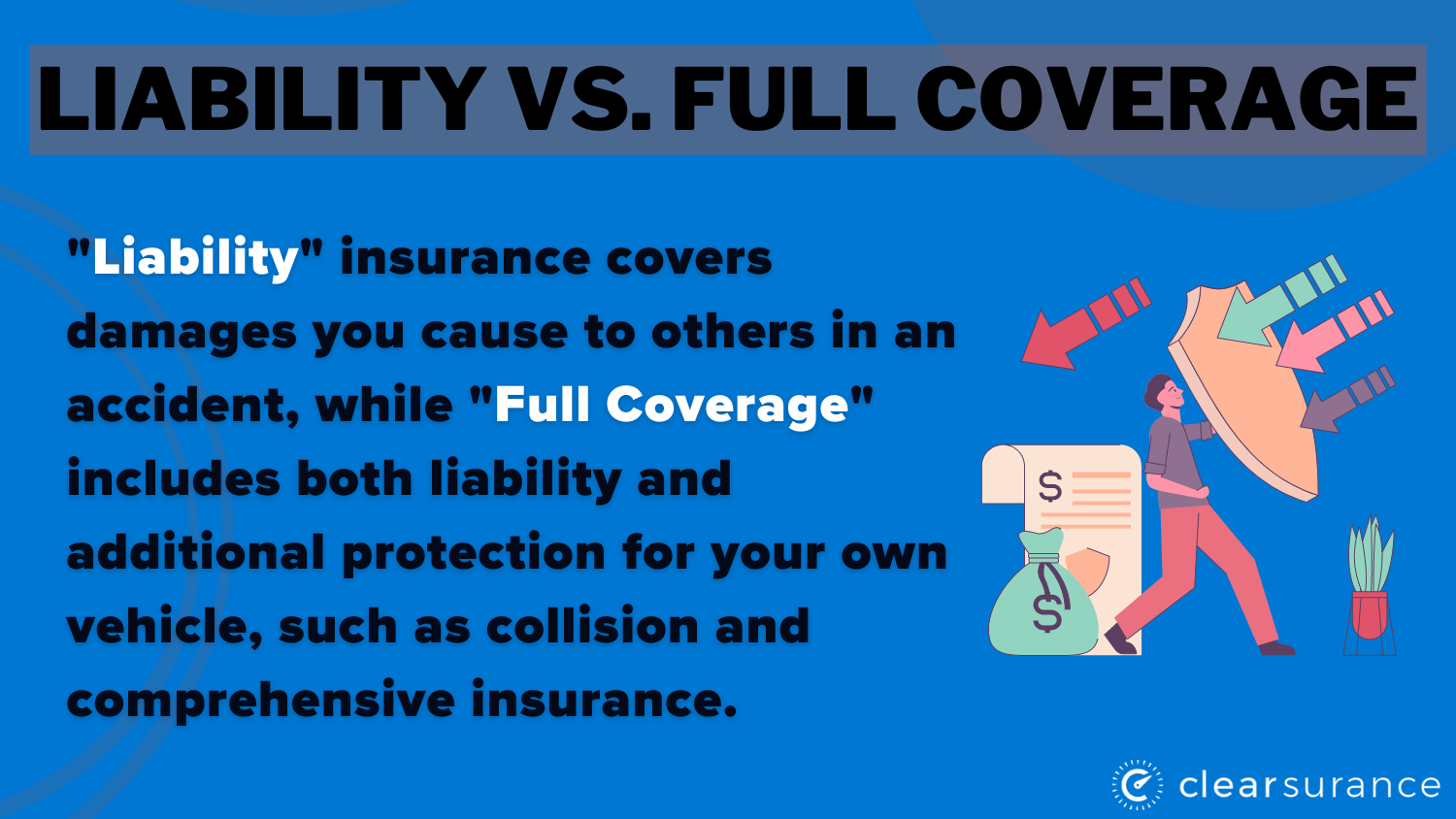
If you’re scratching your head over which one suits your drives around town or that epic road trip, let’s break it down simply. Liability vs full protection plans boils down to how much you’re willing to protect yourself and your wallet. In a nutshell, liability insurance is the bare-bones buddy that covers damages you cause to others, but leaves your own car hanging if something goes wrong. On the flip side, a full protection plan wraps your vehicle in a cozy blanket, handling everything from collisions to theft. It’s like choosing between a raincoat that only keeps your shoulders dry or one that covers you head to toe—practical, right?
What’s the Deal with Liability Insurance Anyway?
Picture this: You’re zipping through traffic, and oops, you nick someone’s bumper. Liability insurance steps in like a good Samaritan, covering the other driver’s repairs and any medical bills if folks get hurt. But here’s the catch—it’s often the minimum required by law in most places, so it’s cheaper on your monthly premiums. Think of it as that reliable old jacket you wear every day; it gets the job done for basic protection, but won’t save you if your own car takes a hit from a rogue shopping cart in a parking lot.
In the world of auto insurance, liability typically includes bodily injury and property damage coverage. For instance, if you’re in California and cause an accident, you might need at least $15,000 per person for bodily injury, but that’s just the start. It’s not glamorous, but it’s a smart pick if you’re a careful driver with an older car that isn’t worth much anymore. I remember my buddy Dave, who drives a beat-up pickup from the ’90s; he sticks with liability to keep costs low, saying, “Why pay for full coverage on a truck that’s older than my playlist?” It’s a fair point, blending everyday logic with a dash of humor.
What endorsement options are availableUnwrapping the Layers of Full Protection Plans
Now, let’s shift gears to full protection plans—these are the all-stars of auto insurance, offering comprehensive and collision coverage on top of liability. Imagine you’re that meme of a cat in a bubble bath; nothing’s getting through. Full protection doesn’t just handle what you do to others; it covers your car’s repairs from accidents, weather damage, or even if some neighborhood kid decides to key it. It’s like having a personal shield, but with a higher price tag because, well, you’re getting a lot more bang for your buck.
From my own experience, when I upgraded to a full plan after buying a new SUV, it felt like a weight lifted off my shoulders. No more stressing about hail storms or hitting a deer on a foggy night. These plans often include extras like roadside assistance or rental car coverage, making them ideal for families or folks who log serious miles. But don’t just take my word; think about pop culture references, like how in those car chase movies, the heroes always seem to have insurance that covers their wild rides—okay, maybe that’s a stretch, but you get the idea. It’s about building a narrative where your car is more than metal; it’s your adventure partner.
The Real Scoop on Differences and What They Mean for Your Wallet
Alright, let’s get to the heart of it: how does liability compare to full protection? Liability is lighter on the premiums, often saving you hundreds a year, but it leaves you exposed if your car gets totaled. Full protection, while pricier, offers that full-circle security, especially in a world where accidents can pop up like unexpected plot twists in a Netflix series. For example, if you live in a busy city like New York, full protection might be a no-brainer due to higher risks, whereas in a quiet suburb, liability could suffice.
Directly answering your burning question: When comparing liability and full protection plans for auto insurance, liability covers only third-party damages and is best for low-risk drivers with older vehicles, while full protection provides comprehensive safeguards for your car too, making it ideal for newer cars or frequent drivers. That’s about 45 words of straight talk, hitting the spot for anyone searching this out. But beyond costs, consider deductibles—liability might have lower ones, yet full plans could offer discounts for safe driving, turning the tables in your favor over time.
Best insurance for rideshare driversA Side-by-Side Look at the Options
To make this even easier, here’s a quick table to visualize the comparison. It’s like lining up your favorite snacks to see which one wins—straightforward and helpful.
| Feature | Liability Insurance | Full Protection Plans |
|---|---|---|
| Covers damages to others | Yes | Yes |
| Covers your own vehicle’s damage | No | Yes (collision and comprehensive) |
| Typical cost | Lower premiums | Higher premiums |
| Best for | Older cars, low-mileage drivers | New cars, high-risk areas |
This setup shows why full protection might feel like overkill for some, but for others, it’s a game-changer. Remember, insurance isn’t one-size-fits-all; it’s about your life’s rhythm.
FAQs
Is full protection always worth the extra cost? Not necessarily—it depends on your car’s value and driving habits. If your ride is paid off and ancient, liability might save you money without much risk.
Can I switch plans mid-year? Absolutely, many insurers let you adjust coverage anytime, but check for fees or waiting periods to avoid surprises.
Step-by-step for policy cancellationWhat’s the biggest downside of liability? It’s the potential for out-of-pocket expenses if your car is damaged, which could add up quickly in a major accident.
As we wrap up this road trip through auto insurance options, think about what your next drive looks like—maybe it’s a solo adventure or a family outing. Whichever path you choose, make sure it’s one that lets you enjoy the journey without second-guessing every turn. What’s your take on all this? Hit the comments or check out more tips to keep your rides smooth.