
Picture this: you’re cruising down the road, windows down, favorite playlist blasting, when suddenly—bam! A fender bender turns your chill drive into a headache. I remember my own scrape a few years back; I was merging onto the highway, and this guy in a pickup swerved right into me. Heart racing, I pulled over, thinking, “Okay, now what?” If you’ve ever been there, you know that moment of panic is real. That’s where auto insurance after an accident comes in—it’s your safety net, your buddy in the chaos, helping you pick up the pieces without losing your cool. Today, we’re diving into an overview that feels like a casual chat over coffee, breaking down what happens next in that world of car insurance.
Dealing with auto insurance after an accident can feel overwhelming, but let’s keep it light. At its core, it’s about protecting yourself financially when things go sideways. Whether it’s a minor ding or a major crash, your policy kicks in to cover repairs, medical bills, or even legal fees if needed. Think of it as your car’s personal bodyguard—always on duty. For most folks, the process starts with assessing the damage and contacting your insurer, but we’ll get into the nitty-gritty shortly. And here’s a quick nugget: after an accident, your rates might climb, but with the right approach, you can minimize the hit. What happens after a car accident with insurance? Essentially, it’s a structured dance of claims and assessments that aims to get you back on the road fast, often involving your insurer evaluating fault and payouts to make things right.
The First Wave: What Goes Down Immediately
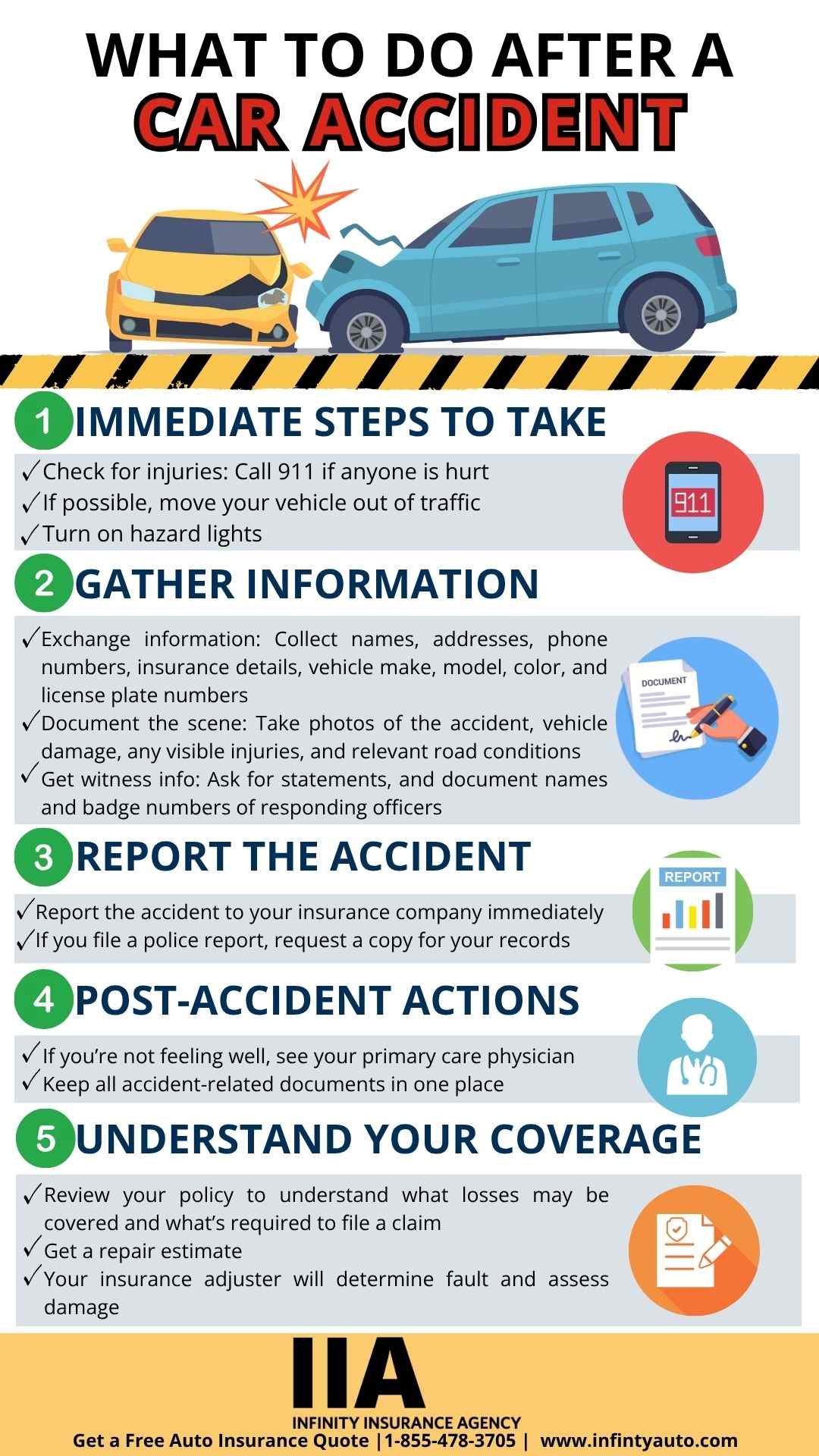
Right after the crunch of metal, your brain might be buzzing with a million questions. In my anecdote, I froze for a second before remembering to check on everyone involved—safety first, always. Once that’s sorted, snap a few photos, exchange info, and call your insurance company. They’re there to guide you through, but it helps to know the basics. Auto insurance typically covers liability, which pays for the other party’s damages if you’re at fault, plus collision for your own ride. It’s like having a financial parachute; without it, you’d be footing the bill solo.
From personal chats with friends who’ve been through this, I hear that waiting for the adjuster can feel like watching paint dry. They’re the pros who inspect the scene and estimate costs, but delays happen—traffic, weather, you name it. To keep things relaxed, breathe and document everything: photos, witness statements, even that weird dent on the bumper. This isn’t just bureaucracy; it’s your evidence in a story that could affect your wallet down the line. And hey, if you’re into pop culture, think of it like the plot twist in a road-trip movie—unpredictable, but with a resolution if you play your cards right.
How deductibles impact premium costsNavigating the Claims Maze Without the Stress
Okay, so you’ve reported the accident—now comes the claims process, which isn’t as scary as it sounds. Start by filing online or over the phone; most insurers make it straightforward, like ordering takeout. They’ll ask for details: who, what, when, and where. From there, it’s about verifying and approving your claim. I once helped a neighbor with this after his fender bender; we sat in his garage, sipping soda, as he uploaded photos to the app. It was almost fun, turning a hassle into a team effort.
But let’s get real—there are quirks. If you’re not at fault, your rates might stay put, but if you are, expect a bump. Insurers use factors like your driving history to recalculate premiums, which can sting. To ease into it, compare policies early; tools online let you shop around without the pressure. And for a bit of variety, imagine this as a choose-your-own-adventure book: one path leads to higher costs, another to discounts for safe driving. Pro tip: bundle your auto insurance with home or life for savings—it’s like getting a combo meal instead of à la carte.
| Type of Coverage | What It Covers | Post-Accident Impact |
|---|---|---|
| Liability | Damage to others’ property or injuries | May increase if you’re found at fault |
| Collision | Your vehicle’s repairs | Directly affects your claim payout |
| Comprehensive | Theft, weather damage, etc. | Less impact from accidents, more for other issues |
How Accidents Ripple Through Your Policy
Accidents don’t just end with a repaired car; they echo in your insurance world. Premiums can jump 20-40% for a few years, depending on the severity—it’s like a bad review that lingers. From everyday observations, I see people stressing over this, but here’s a metaphor: think of it as a storm cloud that passes. Safe driving habits, like taking a defensive course, can clear it faster, potentially shaving off that extra cost. Insurers reward consistency, so don’t let one mishap define your ride.
Digging deeper, factors like your location or vehicle type play a role. In busy cities, accidents are more common, hiking rates across the board. I recall a meme circulating online about urban drivers dodging potholes like video game obstacles—hilarious, but it highlights how environment shapes insurance. To counter this, shop smart: look for companies offering accident forgiveness, where your first oops doesn’t penalize you. It’s a game-changer, making the whole experience feel less punitive and more supportive.
Top choices for sports car ownersTips to Keep Your Insurance Game Strong
Wrapping up the overview, let’s chat about staying ahead. First off, review your policy annually—life changes, and so should your coverage. If you’re adding a teen driver, expect adjustments, but discounts for good grades can balance it out. From a cultural nod, it’s like upgrading your avatar in a game; tweak the settings to fit your journey. Avoid common slip-ups, like skipping the deductible; it’s your share of the cost, but paying it can speed up claims.
And here’s a paragraph straight to the point for those searching: After an accident, auto insurance after an accident typically involves notifying your provider within 24-48 hours, documenting everything, and waiting for an adjuster’s verdict on repairs and fault. This process ensures you’re compensated fairly, helping cover costs without derailing your finances, and might include negotiating settlements for a smoother recovery—about 45 words of real talk to set expectations.
FAQs on Auto Insurance Post-Accident
Q1: How long does a claim take to process? It varies, but most claims wrap up in a week or two if everything’s straightforward. Delays can happen with disputes or extensive damage, so stay in touch with your insurer.
Q2: Will my rates definitely go up? Not always—some policies have forgiveness options, and if you’re not at fault, increases are less likely. Check your contract and consider safe-driving programs to mitigate hikes.
Guide to usage-based insurance programsQ3: Should I get a lawyer for a big accident? If injuries or major disputes arise, yes, it might help. Otherwise, insurers handle most, but don’t hesitate if things get complicated; peace of mind is worth it.
As we ease out of this chat, think about how one little accident doesn’t have to define your driving story—it’s just a plot point. What if you turned it into a chance to drive smarter, safer? Go ahead, review that policy or hit the road with fresh eyes; your next adventure’s waiting, minus the bumps.